The $600 Mistake: A Warning from the Workbench
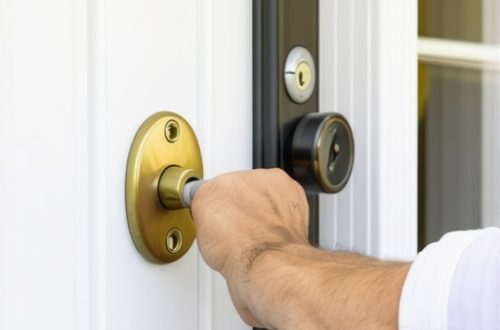
A lady came into my shop last Tuesday crying because a scammer drilled her lock and charged her six hundred dollars for a twenty-dollar deadbolt. She had a simple lockout after a neighborhood watch meeting, called the first ’24/7 locksmith’ on her phone, and a ‘trunk-slammer’ showed up in an unmarked car. He didn’t even try to use a Lishi pick or a bypass tool; he went straight for the cobalt drill bit, destroyed her vintage hardware, and then pressured her into buying a zinc-alloy piece of junk. It breaks my heart because security isn’t just about what you spend; it’s about the physics of the metal and the integrity of the person installing it. In my 25 years at this bench, I’ve seen the industry flooded with pot-metal hardware that looks shiny but provides zero resistance to a motivated intruder. As we head into 2026, the neighborhood watch groups I consult for are asking for more than just a ‘lock’—they want a system that survives both the physical brute force of a kick-in and the digital vulnerabilities of the modern age.
“Security is always a trade-off between convenience and protection.” – Industry Axiom
The Psychology of the 2026 Intruder
Burglars haven’t changed much in twenty years, but their tools have. While the ‘size 12 boot’ remains the most common method of entry, we are seeing a rise in the use of bump keys and power tools. Most residential doors are equipped with ANSI Grade 3 locks, which are effectively toys. They use thin brass or even zinc cylinders that snap under the slightest torque. When I talk about the best residential door locks for safety and durability, I’m talking about hardware that can withstand at least 10 strikes of 75 foot-pounds. If your lock doesn’t have a hardened steel bolt and a reinforced strike plate with three-inch screws that anchor into the house framing, you don’t have security; you have a suggestion of a door.
1. High-Security Mechanical Deadbolts (The Anti-Pick Standard)
The first recommendation for any neighborhood watch is the move to anti-pick locks for front doors 2026. These aren’t your hardware store specials. We are looking at cylinders that utilize spool pins and serrated drivers. When a picker—or a bump key—tries to lift the pins to the shear line, these security pins get caught in the plug’s counter-milling, creating a ‘false set.’ It tricks the intruder into thinking they’ve hit the shear line when they are actually stuck. A true high-security lock for 2026 should feature a sidebar mechanism. This is a secondary locking bar that must be aligned by rotating the pins, not just lifting them. It makes traditional picking nearly impossible and renders bumping useless. This is the bedrock of integrated home security lock bundles that actually work.
2. Smart Integration for Rental and Airbnb Properties
Neighborhoods with high turnover or short-term rentals face unique challenges. For these, I recommend electronic locks for Airbnb properties that utilize AES-128 encryption. The weakness in most smart locks isn’t the software; it’s the tailpiece. Many manufacturers use a thin piece of stamped steel to connect the motor to the bolt. I’ve seen these twist like a pretzel. For 2026, look for smart locks that retain a physical Grade 1 mechanical override. These systems allow for access control for co-working spaces and residential units alike, providing audit trails so you know exactly who entered and when. Just ensure you aren’t buying the ‘cloud-only’ models that turn into paperweights when the internet goes down.
3. Perimeter Defense: Electronic Gate Lock Systems
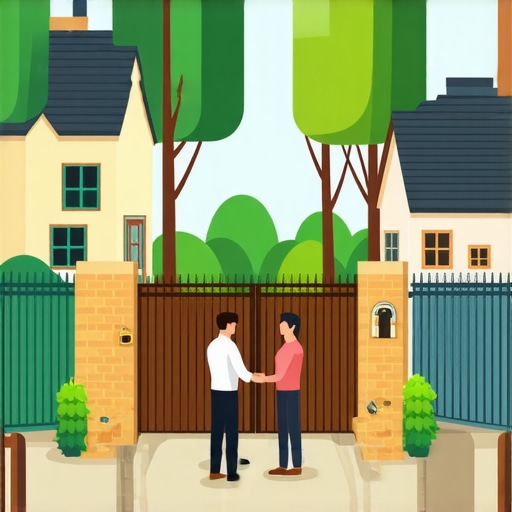
Security starts at the property line. Many homeowners install a $500 deadbolt but leave a $10 latch on their perimeter fence. Electronic gate lock systems are becoming a standard recommendation for 2026 neighborhood watch protocols. These systems must be rated for IP65 weather resistance. I’ve seen too many ‘smart’ gate locks fail because the local humidity caused the solenoid to corrode. A proper gate setup should include a magnetic lock (maglock) with at least 1,200 pounds of holding force or a heavy-duty electric strike. This prevents the ‘reach-over’ bypass that common gate latches suffer from.
“ANSI/BHMA A156.5 establishes the requirements for mechanical cylinders and input devices, ensuring the hardware meets rigorous standards for durability and security.” – ANSI Standard
4. Multi-Family and Commercial Grade Access
For those living in townhomes or managed communities, multi-family building lock rekeying is a constant headache. I recommend moving to Interchangeable Core (IC) systems. These allow a manager to change the entire core in seconds with a ‘control key’ without taking the whole lock off the door. In 2026, we are seeing these adapted for access control for co-working spaces within residential buildings. It eliminates the need for master wafers in the cylinder, which are a massive security risk. When you have master wafers, there are multiple shear lines created, which actually makes the lock easier to pick. Avoid master-keying if you can; use electronic credentials instead.
5. The Automotive and Emergency Factor
A neighborhood watch isn’t just about doors; it’s about the assets sitting in the driveway. We’ve seen car key duplication costs 2026 skyrocket because of the transition to ultra-wideband (UWB) chips. If you have a classic in the garage, you need a locksmith for vintage car keys who understands warded locks and side-milled keys. Don’t let a general contractor touch these. Furthermore, every homeowner should know how to extract a broken key from a lock safely. The secret? Never use a drill. A spiral extractor or a thin piece of saw blade can usually grab the key bitting and pull it out. If you spray WD-40 in there, you’re just gumming up the pins with a solvent that attracts dust and turns into a sticky paste over time. Use a dry PTFE or graphite lubricant instead.
Maintaining Your Fortress
The physics of security depends on the tolerance levels between the plug and the housing. Over time, brass pins wear down, and the shear line becomes ‘mushy.’ If you have to jiggle your key, the lock is telling you it’s about to fail. Don’t wait for a midnight lockout. A proactive rekeying of your home every five years—or whenever a key is lost—is the cheapest insurance you can buy. Real security involves trust in your hardware and your technician, not just a fancy app on your phone. When the neighborhood watch meets next, tell them to stop looking at the price tag and start looking at the ANSI Grade. That’s how you keep the trunk-slammers away and your family safe.


![3 Toughest Residential Door Locks for 2026 Home Safety [Tested]](https://prolocksmithco.com/wp-content/uploads/2026/02/3-Toughest-Residential-Door-Locks-for-2026-Home-Safety-Tested-500x330.jpeg)