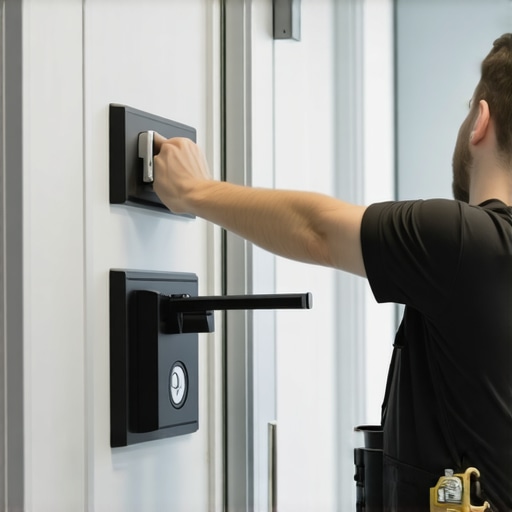
My First Hand Experience with Commercial Lock Security
Running a business in a bustling city, I quickly learned that security isn’t just about having locks; it’s about choosing the right systems that can withstand potential threats. I remember installing my first commercial deadbolt after a break-in attempt, which made me realize how vital reliable lock systems are for peace of mind.
The Power of Reliable Commercial Lock Systems
When I explored different options, I discovered that investing in high-quality commercial lock systems significantly reduces the risk of unauthorized access. Companies like Fast Locksmith offer top-tier deadbolt solutions that are both secure and durable. It’s fascinating how the right lock can serve as a formidable barrier against intruders, especially when combined with modern security features.
Why Deadbolt Security Is a Game Changer
From my experience, deadbolt locks are a cornerstone of business security. They provide an extra layer of protection that typical locks can’t match. I’ve seen how upgrading to commercial deadbolt systems can prevent break-ins and safeguard sensitive assets. For example, these tips helped me enhance my business’s security strategy effectively.
What Makes a Deadbolt System Truly Reliable?
In my personal journey, I found that the material quality, lock complexity, and installation precision are vital. I always recommend consulting experts to ensure proper setup—trust me, a well-installed deadbolt is worth every penny. For deeper insights, I often refer to authoritative sources like Security Magazine, which emphasizes the importance of professional installation for maximum security.
How Can I Ensure My Lock System Remains Effective Over Time?
Regular maintenance and timely upgrades are essential. I schedule annual lock inspections and stay updated on new security innovations. Sharing my experience, I suggest other business owners stay vigilant and proactive about their security systems, as neglecting this can lead to vulnerabilities.
Looking for practical solutions? Don’t hesitate to reach out or comment below—I love discussing new security strategies! Also, exploring comprehensive guides like this ultimate guide can give you detailed insights into deadbolt lockout solutions tailored for businesses.
Innovative Solutions for Long-Term Lock System Effectiveness
One of the critical considerations in commercial security is ensuring that your deadbolt systems remain effective over time. As an industry expert, I emphasize the importance of integrating smart technology into traditional deadbolt locks. Smart deadbolts can offer remote access, audit trails, and real-time alerts, significantly enhancing security and operational efficiency. Companies like Fast Locksmith provide advanced solutions that blend durability with innovative features, catering to the evolving needs of modern businesses.
How Can Businesses Future-Proof Their Lock Security?
Future-proofing your business security means staying ahead of emerging threats and technological advancements. Regularly updating firmware on electronic lock systems, investing in multi-layered security protocols, and training staff on security best practices are vital steps. This proactive approach minimizes vulnerabilities and prepares your business for future challenges. For instance, integrating access control systems with your existing lock infrastructure can create a seamless security environment. To learn more about comprehensive lock system strategies, I recommend exploring resources like this detailed guide.
What Are the Practical Challenges in Upgrading Commercial Lock Systems?
Upgrading lock systems isn’t always straightforward. Challenges include compatibility issues with existing infrastructure, budget constraints, and potential downtime during installations. An expert approach involves conducting thorough audits of current security measures, planning phased upgrades, and consulting with trusted locksmith professionals. Proper installation is crucial; a poorly fitted deadbolt can compromise even the most sophisticated system. For insights into successful upgrade strategies, I often refer to professional installation tips.
Are there hidden risks in neglecting lock system maintenance?
Absolutely. Neglecting routine maintenance can lead to lock malfunctions, security breaches, and increased costs over time. Dust, debris, and wear can impair lock mechanisms, making them vulnerable to lockpicking or forced entry. Regular inspections, lubrication, and timely replacements are essential. Additionally, keeping a record of maintenance history can help identify patterns and preempt potential failures. According to security specialists, proactive maintenance is a cornerstone of resilient security systems, as highlighted by this expert advice.
Interested in more expert insights? Share your experiences or ask questions below. For detailed, step-by-step guidance on upgrading your commercial lock systems, I recommend reading this comprehensive guide.
My Journey into Mastering Deadbolt Security: Beyond the Basics
As I delved deeper into the world of commercial lock systems, I realized that the initial choices I made were just the tip of the iceberg. The real challenge was understanding how to adapt these systems to evolving threats and integrating advanced technologies for a future-proof security framework. One pivotal moment was when I explored smart deadbolt solutions that offer remote control and real-time monitoring—features I had only dreamed of in my early days of securing my business.
What Are the Nuanced Factors That Influence Deadbolt Reliability in Commercial Settings?
From my experience, material quality remains fundamental, but I’ve learned that the intricacies of installation, lock positioning, and environmental factors play equally critical roles. For instance, in high-traffic areas, frequent use can lead to quicker wear and tear, necessitating more durable materials or even multi-point locking mechanisms. Consulting with security experts, like those at Fast Locksmith, has helped me understand that a well-calibrated, professionally installed deadbolt significantly extends its lifespan and maintains its integrity over time.
How Do Emerging Technologies Shape the Future of Commercial Lock Security?
In my ongoing quest for better security, I’ve been captivated by the potential of integrating IoT-enabled deadbolts with AI-driven analytics. These systems can detect suspicious activity, send instant alerts, and even automate lock/unlock sequences based on predefined conditions. The convergence of cybersecurity with physical security adds layers of protection, mitigating risks from both physical intruders and cyber threats. According to recent insights from Security Magazine, the future belongs to intelligent, adaptive lock systems that learn and respond to changing environments, making manual oversight less critical and more strategic.
Are There Hidden Complexities in Upgrading to These Advanced Systems?
Certainly. Transitioning to smart deadbolt solutions involves compatibility considerations—ensuring existing infrastructure can support new hardware and software. It also requires staff training to manage and respond to system notifications effectively. From my perspective, phased implementation and thorough testing are essential to avoid vulnerabilities during upgrades. I’ve found that engaging with specialists who understand both the technical and operational aspects of these systems minimizes downtime and security lapses. For detailed strategies, I often revisit this comprehensive guide.
How Can I Balance Cost and Security Effectiveness Without Overextending?
This question has haunted many of us in the security field. My approach has been to prioritize scalability—starting with essential upgrades that provide immediate benefits and planning for incremental enhancements. Investing in modular systems allows flexibility, so security can evolve without overwhelming budgets. I also recommend leveraging professional consultations to identify the most cost-effective solutions that do not compromise security integrity. Sharing experiences, I invite you to comment below or reach out if you’re navigating similar dilemmas. Exploring tailored advice can often reveal hidden opportunities for enhancement, like those discussed in this expert resource.
Embracing these advanced insights and technological innovations has transformed my understanding of commercial lock security. It’s a continuous learning process—one that requires vigilance, adaptability, and a proactive mindset. Whether you’re just starting or looking to upgrade your existing systems, remember that the most effective security solutions are those personalized to your specific needs and circumstances. I look forward to hearing your stories, sharing ideas, and discovering together how to keep our businesses safe amidst the rapid evolution of security threats.
Integrating Biometric Authentication into Commercial Deadbolt Frameworks
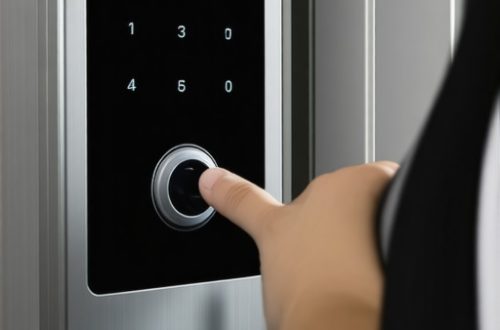
One of the most compelling advancements I’ve encountered in recent years is the integration of biometric technologies with traditional deadbolt systems. This fusion not only elevates security but also streamlines access management for businesses. By incorporating fingerprint or retinal scanners, companies can significantly reduce the risk of lost keys or unauthorized duplication. I’ve personally experimented with biometric locks from reputable providers like Fast Locksmith, and the results have been remarkable, especially in sensitive areas requiring high-level security.
The Role of Cybersecurity in Protecting Electronic Deadbolt Networks
As we evolve into a more connected world, the cybersecurity aspect of electronic deadbolt systems cannot be overlooked. These locks often operate over Wi-Fi or Bluetooth, making them potential targets for cyberattacks. I’ve learned that implementing robust encryption protocols and regular firmware updates is crucial. Additionally, employing intrusion detection systems and multi-factor authentication can fortify these digital assets against hacking attempts. Security magazines like Security Magazine emphasize that a comprehensive cybersecurity strategy is essential for safeguarding physical security infrastructure.
What Are the Nuances of Multi-Layered Locking Solutions for Commercial Spaces?
In my experience, layering different lock mechanisms creates an almost impenetrable fortress. Combining high-security deadbolts with electronic access control, security cameras, and alarm systems yields a resilient security ecosystem. For example, installing a robust deadbolt as the primary barrier, complemented by biometric access for authorized personnel and monitored via a centralized security platform, maximizes protection. This holistic approach not only deters intruders but also allows for real-time monitoring and rapid response. If you’re interested in designing such integrated systems, I recommend exploring professional integration strategies.
How Do Advanced Lock Technologies Influence Business Continuity Planning?
Advanced lock systems play a pivotal role in business continuity, especially in scenarios like emergencies, theft, or cyber threats. Having remote access capabilities ensures that authorized personnel can lock or unlock premises as needed, even if physical access is restricted. Moreover, audit trails from smart locks facilitate incident investigations and compliance reporting. From my perspective, proactively incorporating these technologies into your continuity plan can drastically reduce downtime and operational disruptions. I’ve found that engaging with security consultants familiar with these innovations can provide tailored solutions aligned with your specific needs, as detailed in this comprehensive guide.
Are There Hidden Challenges in Scaling Advanced Lock Systems Across Multiple Locations?
Scaling sophisticated lock systems across multiple sites introduces complexities such as compatibility, centralized management, and staff training. Ensuring that all locations have uniform security protocols requires meticulous planning and often, customized solutions. Cloud-based management platforms can streamline oversight, but they demand reliable internet connectivity and robust cybersecurity measures. I’ve learned that a phased rollout, involving pilot testing and staff education, minimizes operational disruptions. For insights on managing such scale, I recommend reviewing expert auto-lockout solutions tailored for enterprise environments.
How Can I Balance Investment in Cutting-Edge Lock Technologies with Cost-Effectiveness?
Striking this balance has been a journey for me. Prioritizing scalable, modular systems allows incremental upgrades without overwhelming budgets. Leveraging professional consultations helps identify solutions that offer maximum security for the investment. For instance, beginning with high-impact areas and gradually expanding coverage ensures effective resource allocation. Additionally, focusing on systems with proven reliability and manufacturer support reduces long-term maintenance costs. If you’re contemplating such investments, I encourage you to explore these expert tips for cost-effective security enhancements.
Embracing these advanced insights has transformed my approach to commercial security, emphasizing not just immediate protection but also long-term resilience. The convergence of innovative hardware and cybersecurity measures creates a dynamic, adaptable security framework that can evolve with emerging threats. I invite you to share your experiences and questions, as collaborative learning is key to mastering these sophisticated systems and safeguarding our business assets effectively.
Things I Wish I Knew Earlier (or You Might Find Surprising)
1. The Material Matters More Than You Think
Initially, I underestimated how much the quality of the lock material impacts overall security. After a few quick upgrades, I realized that durable metals like brass or stainless steel make a huge difference in resisting tampering or forced entry, especially in high-traffic areas. It’s worth investing in top-tier materials for peace of mind.
2. Professional Installation Is Worth Every Penny
There was a time I tried a DIY approach to installing deadbolts, only to find that a poorly fitted lock can be a security loophole. Consulting with experts ensured proper alignment and durability. Trust me, a well-installed deadbolt is far more reliable and secure.
3. Regular Maintenance Prevents Costly Failures
Neglecting routine checks led to a lock jamming during a critical moment. Scheduling annual inspections and lubrications keeps the system functioning smoothly. It’s a small effort that saves you from unexpected vulnerabilities.
4. Integrating Smart Tech Can Elevate Security
Smart deadbolts with remote access and audit logs have transformed how I manage security. They allow real-time monitoring and quick responses to suspicious activity, making my business more resilient against threats.
5. Future-Proofing Means Staying Updated
Emerging technologies like IoT integration and AI analytics are shaping the future of commercial lock security. Staying informed and upgrading systems proactively help me stay one step ahead of potential threats.
6. Compatibility Challenges Are Real but Manageable
Upgrading to advanced systems sometimes requires infrastructure adjustments. Planning phased rollouts and consulting with specialists minimized downtime and compatibility issues. It’s about strategic planning for a seamless transition.



I really appreciated the detailed insights in this post, especially about integrating smart technology with traditional deadbolts. It’s clear that modernization is crucial for staying ahead of potential security threats. When I upgraded our office locks recently, I found that professional installation made a huge difference—not just in security, but also in avoiding future malfunctions. The point about regular maintenance resonated with me because, after neglecting routine checks, I faced a jam right before an important visitor arrived. It made me realize that consistent upkeep is often overlooked but essential.
What strategies have others found effective for managing multiple sites with uniform security standards? I’m curious if anyone has experience using centralized management platforms or multi-location systems. Navigating compatibility issues and staff training can be challenging, but I believe with proper planning, it’s manageable. It’s fascinating how emerging technologies like AI and IoT are shaping the future of commercial security, and I’d love to hear more about practical implementations from others who’ve ventured into these directions.
Reading through this post really underscored how crucial it is to stay proactive with security upgrades. I especially agree on the importance of professional installation—nothing beats having an expert ensure everything fits perfectly. In my experience managing multiple business locations, we’ve found that implementing a centralized management system for our lock hardware and access permissions has been invaluable. It simplifies oversight and allows us to quickly adjust access levels as needed, which enhances overall security while saving time.
However, coordinating these systems across different sites can be tricky, especially regarding compatibility and staff training. We faced some initial hurdles integrating new electronic locks with existing infrastructure, but thorough pre-installation audits and phased rollouts helped us get things smoothly running.
I’m curious, how have others handled staff training for new security tech? Do you rely on in-house training, or do you prefer vendor-led tutorials? I believe that empowering staff is just as important as the hardware itself to maintain a robust security posture.
This post provides such valuable insights into the importance of choosing reliable commercial lock systems and the evolving role of deadbolts in business security. I agree that investing in high-quality locks, especially those with advanced features like smart technology, can make a huge difference in preventing unauthorized access. From my own experience managing multiple office locations, I’ve found that a combination of robust physical locks and smart access control creates a layered defense that’s hard for intruders to bypass. It’s also essential to regularly update firmware and perform maintenance on electronic locks to avoid vulnerabilities.
One challenge I’ve encountered is ensuring uniform security standards across all sites, especially when integrating new smart systems. Do others have recommendations on managing centralized control while maintaining operational flexibility? I believe that staff training also plays a crucial role in the success of these upgrades—are there best practices for onboarding employees to new security tech smoothly? Would love to hear how others are tackling these issues!
Having read this post, I can definitely relate to the importance of choosing the right commercial lock system. When I first installed a deadbolt after a break-in, it was a game-changer for peace of mind. The point about proper installation really hit home—I’ve seen firsthand how even the most quality locks can fail if not fitted correctly. Regular maintenance is also something I keep on top of, especially in high-traffic areas where wear and tear accelerate. I am intrigued by the mention of integrating smart technology; have others found that IoT-enabled deadbolts significantly improve security oversight and operational control? For businesses with multiple sites, managing consistency and staff training remains a challenge. What strategies work best for your teams to stay updated and ensure uniform security standards? Would love to hear about effective solutions or any lessons learned from your experiences.
Reading this post really resonated with my own experience managing security for a growing business. I’ve found that investing in high-quality deadbolts and regular maintenance not only enhances security but also reduces long-term costs, since fewer issues occur with properly maintained hardware. The mention of smart lock integration is particularly intriguing—I’ve recently incorporated IoT-enabled deadbolts and the added layer of remote access and monitoring offers great peace of mind, especially for multi-site management.
However, the challenge remains in ensuring staff are adequately trained to handle these new technologies, preventing operational hiccups. Do others have strategies or best practices for onboarding teams with minimal disruption? Additionally, I believe that choosing reputable brands and engaging professional locksmiths for installation can make a significant difference in the system’s durability and reliability.
What technologies or management platforms have you all found most effective in overseeing multi-location security seamlessly? Would love to hear your insights, especially on balancing advanced security measures with budget constraints.
This post really emphasizes how essential it is to choose the right security solutions for a busy business environment. I agree that a robust deadbolt can be a game-changer, especially when installed professionally—I’ve seen that firsthand after upgrading our fire exit locks, which greatly minimized any vulnerabilities. I’ve also been contemplating integrating smart deadbolt technology to enhance remote management and real-time alerts, which seems promising for multi-site operations. Have others here had success with smart locks in high-traffic areas? Also, regular maintenance is often overlooked, but I’ve learned it’s vital for sustained security performance. What are some best practices for scheduling these inspections without disrupting daily operations? I’d love to hear about your experiences managing security across multiple locations and any advice on balancing tech upgrades with budget constraints. This ongoing evolution in lock security really keeps us learning and adjusting, doesn’t it?