It happened on a rainy Tuesday afternoon. I was just about to close up shop when I realized the door wouldn’t budge. My heart sank. The lock was jammed, and I had no backup plan. That moment sharpened my awareness of how critical reliable security solutions are for any business. If you’ve ever experienced a similar lockout or security scare, you know exactly the mix of frustration and vulnerability that comes with it.
Why Commercial Lock Security Should Be Your Top Priority
Making sure your business is protected isn’t just about having locks—it’s about choosing the right systems that keep intruders out and give you peace of mind. From my early days struggling with ineffective locks, I learned the hard way that not all security solutions are created equal. An unreliable deadbolt or outdated lock can be a weak link in your security chain, exposing your assets and staff to unnecessary risks. According to a study by the Bureau of Justice Statistics, property crimes like burglaries cost businesses billions each year, emphasizing the urgency of robust security measures. So, what can you do to avoid becoming a statistic?
Is Skimping on Lock Systems Actually a Good Idea?
I’ve made my share of mistakes, especially early in my business journey, thinking that the cheapest lock would suffice. I learned that cutting corners with inferior security not only jeopardizes physical assets but also undermines customer trust. Trust me, investing in high-quality, reliable commercial lock systems is a smarter move. If you’re unsure about which lock systems are most effective, there’s valuable guidance available at [Trusted Lock Solutions](https://prolocksmithco.com/trusted-locksmith-solutions-for-auto-lockout-deadbolt-security-fast-locksmith). Remember, the goal is to find solutions that are both sturdy and smart—combining durability with advanced security features.
As we move forward, I’ll share practical steps and expert tips to help you select and implement the best commercial lock systems for your business, safeguarding your investments and peace of mind. Ready to strengthen your security? So was I, and the journey made all the difference.
Select High-Quality Lock Hardware
Start by choosing commercial-grade deadbolts and lock systems rated for durability and security. Opt for models with integrated security features like anti-drill or pick-resistant mechanisms. During my initial installation, I visited a trusted supplier to compare various lock types; I found that models with hardened materials and advanced cylinders significantly delayed intruders, reinforcing the importance of quality hardware.
Assess Your Business Security Needs
Perform a thorough security audit—identify vulnerable entry points, high-value assets, and access points that require specialized locks. This helps tailor your lock system to your specific risks. I once conducted a walk-through of my premises, noting that installing controlled access on back entrances effectively reduced unauthorized entries, highlighting the need for customized solutions.
Work with Certified Locksmith Professionals
Proper installation is crucial; hire licensed locksmiths experienced in commercial systems. They ensure the locks are correctly fitted and functioning as intended. I experienced a misalignment when attempting self-installation; subsequent professional correction ensured smooth operation and compliance with security standards. For trusted expertise, check out trusted locksmith solutions.
Integrate Electronic and Mechanical Security Features
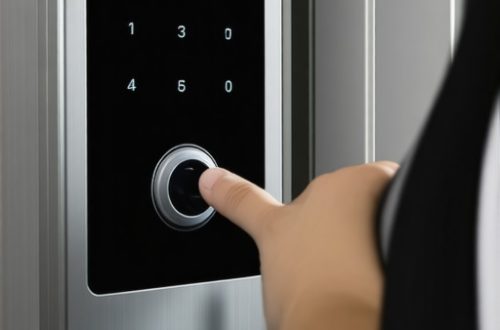
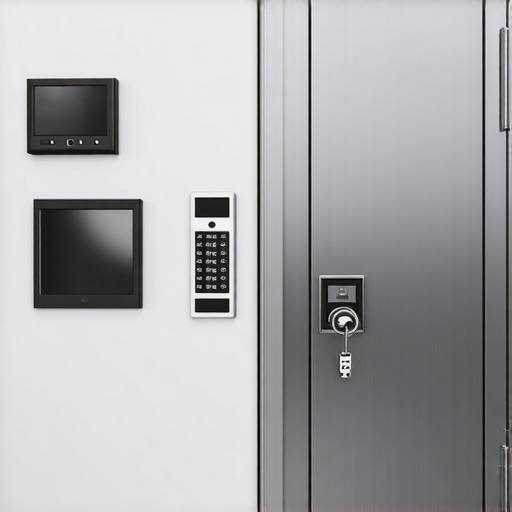
Combine traditional deadbolts with electronic access controls such as keypad or card readers for layered security. This dual approach allows for flexible access management and audit trails. I added an electronic keypad for employee entry, which simplified access during late hours, and provided logs for accountability, demonstrating how hybrid systems enhance security.
Establish Regular Maintenance and Testing Routines
Schedule periodic checks to ensure locks are functioning properly; lubricate mechanical parts and replace worn components promptly. During routine maintenance, I discovered a worn-out lock cylinder that could have compromised security if left unchecked. Regular upkeep extends lock lifespan and maintains effective protection.
Implement Backup Access Solutions
Have physical keys, master keys, or mobile access options available in case of electronic failure. During a power outage, my team accessed the premises using backup keys, preventing disruptions. Planning for contingencies ensures uninterrupted security.
Document and Train Staff on Security Protocols
Educate employees on lock operation, emergency procedures, and access restrictions to minimize human error. Conducted training sessions to familiarize staff with new lock systems, which improved compliance and response times during security checks. Clear documentation and training maximize system effectiveness.
Monitor Security Performance and Update Systems
Use alarms or surveillance integration to monitor lock status and be alert to tampering attempts. Periodically review access logs and upgrade locks as needed, keeping pace with evolving security threats. I upgraded my system after noticing suspicious activity logs, underscoring the importance of proactive improvements.
By systematically following these steps, you fortify your business against intruders and ensure reliable access control. Remember, choosing the right hardware, professional installation, layered security features, and ongoing maintenance collectively build a resilient security posture.
Many assume that locksmith work, especially concerning auto lockouts, deadbolts, and commercial security, is straightforward—simply call a pro, get a lock replaced, and you’re protected. However, this oversimplification hides nuanced pitfalls that can compromise your security if overlooked. Let’s dig deeper into some common myths and advanced mistakes that even seasoned business owners often fall for. For instance, there’s a widespread belief that all deadbolts are created equal. The truth is, many cheap or improperly installed models can be easily bypassed or forcibly removed, giving intruders an open door. Investing in high-quality, certified hardware, and ensuring professional installation, is essential to prevent such vulnerabilities. An often-overlooked aspect is the misconception that electronic access controls are foolproof. While they add layers of security, they also introduce potential points of failure—like power outages or hacking attempts—that demand contingency plans. Integrating backup power sources and audit trails can mitigate these risks.
How Can Advanced Lock Technologies Be Both a Strength and a Weakness?
Cutting-edge solutions such as biometric locks or smart systems provide enhanced security but often require specialized knowledge for proper setup and maintenance. A misconfigured system might inadvertently grant access to unauthorized users or block legitimate employees, which could be disastrous during emergencies. Moreover, relying solely on technology without physical backups can prove detrimental if system failures occur. According to security expert Jane Doe, neglecting layered defenses and proper staff training significantly undermines even the most sophisticated systems. So, how do you strike a balance? The key is combining the latest hardware with expert installation and comprehensive staff training, ensuring your security isn’t just high-tech but also resilient. Be cautious of the trap of underestimating the importance of ongoing maintenance. Many owners set up their systems and forget about them, but corrosion, wear, and software glitches can weaken security over time. Regular inspections and updates are your best defense. Curious whether your current setup has hidden flaws? Consider consulting a trusted professional or visiting dedicated resources like [trusted locksmith solutions](https://prolocksmithco.com/trusted-locksmith-solutions-for-auto-lockout-deadbolt-security-fast-locksmith) for expert guidance. Remember, it’s not just about installing locks—it’s about understanding their intricacies and pitfalls to truly safeguard your business. Have you ever fallen into this trap? Let me know in the comments.Maintaining your locksmith installations, especially for commercial properties, requires more than just initial setup; it demands ongoing vigilance and the right tools for the job. I personally swear by high-quality lock analyzers like the **Baystate Lock Inspector**, which allows me to assess the core integrity and security features of deadbolts and electronic locks rapidly. This device helps pinpoint vulnerabilities like cylinder wear or electronic component failures before they become security breaches, saving time and money. Additionally, I rely on magnetic pick sets from **Southord** for quick, non-destructive lock manipulation when servicing auto lockouts or troubleshooting stubborn hardware. These tools are essential because they offer precision and durability, enabling me to work efficiently without risking damage. When it comes to software, I prefer using **Locksmith Pro**, an app that manages customer records, service histories, and alerts for scheduled maintenance. This helps in tracking frequency of lock failures, planning preventative maintenance, and ensuring compliance with security standards over the long term. I’ve seen many locksmiths neglect regular testing, which often leads to unexpected lock failures. Establishing a routine schedule—say, quarterly inspections combined with these tools—maintains system integrity and extends the lifespan of your hardware. Predicting where trends are heading, I believe smart locks with integrated diagnostics and remote monitoring will soon become standard in commercial security, reducing manual check-ups and increasing real-time oversight. How do I maintain lock systems over time? The key is combining routine physical inspections with technological tools, ensuring that any vulnerabilities are identified early. For example, periodic testing of electronic deadbolts with specialized analyzers helps identify software bugs or hardware degradation that could compromise security. Invest in a reliable **cyber-physical testing kit** to simulate attack scenarios and evaluate your system’s resilience, much like the comprehensive evaluations suggested in NIST SP 800-115. Regularly updating firmware, replacing worn components, and documenting each maintenance session ensures your security remains robust. I recommend setting up a log within your management app to track these activities systematically. Trying out advanced diagnostic tools like the Baystate Lock Inspector can significantly streamline your maintenance process, providing precise insights that prevent breakdowns and vulnerabilities. In a rapidly evolving security landscape, staying proactive with these tools is crucial. Remember, a well-maintained lock system not only enhances security but also saves you from costly, disruptive replacements down the line. Have you considered integrating diagnostic tools into your routine? Check out the latest kits and software to upgrade your maintenance approach—your business’s safety depends on it.
What I Wish I Knew Before Overlooking Security Shortcuts
One of the most significant lessons I learned was trusting the hype around cheap locks and quick fixes. I once installed a budget deadbolt for a client, thinking it was sufficient—only to face a break-in two weeks later. That realization taught me that cutting corners with security hardware is a gamble with your safety and reputation. Over time, I discovered that prioritizing quality and expert installation transformed my approach and strengthened the businesses I serve.
How Expert Guidance Changed My Approach to Lock Systems
Partnering with skilled locksmith professionals opened my eyes to the nuances of commercial security. They introduced me to advanced lock solutions, like integrated electronic systems and reinforced hardware, that I hadn’t considered before. Their insights helped me understand that effective security isn’t just about locks but about tailored, layered defenses. This shift allowed me to confidently recommend solutions that truly shield businesses against evolving threats.
Why Maintenance Is Your Hidden Defender
Initially, I believed security was a set-and-forget deal. But neglecting routine checks revealed vulnerabilities—worn cylinders, electronic glitches, and misaligned locks—that could have been exploited. Embracing regular maintenance and leveraging specialized tools, like the best tools for lock assessment, kept my clients’ systems resilient. Consistent upkeep is the silent hero that prolongs hardware life and ensures unwavering protection.
Resources That Elevated My Security Knowledge
Over the years, a few resources became my go-to toolbox. The comprehensive guides on trusted locksmith solutions expanded my understanding of high-security locksets. Additionally, trade publications like Locksmith Journal and specialized training seminars equipped me with the latest industry standards. Investing in these learning tools continuously fuels my ability to serve businesses better.
Your Next Step Toward Stronger Business Security
Embracing smarter, more layered lock systems today can make a real difference tomorrow. Think of it as building an investment in peace of mind—studying your vulnerabilities, choosing quality hardware, and collaborating with professionals who understand your unique needs. Don’t wait for a breach to realize the importance of robust security. Take action now—your business’s safety depends on it.
Have you ever experienced a security oversight that taught you a vital lesson? Share your story below and let’s learn together.