The Anatomy of a Breach: Why Most Locks Fail by Design
Most homeowners believe their front door is a barrier. After twenty-five years behind a locksmith bench, I can tell you it is often just a suggestion. Burglars do not care about your aesthetic; they care about physics. They look for the gap between the door and the jamb, the play in a cheap cylinder, and the telltale signs of soft zinc components. While a smash-and-grab is common, the rise of sophisticated picking tools and ‘bump keys’ has turned residential security into a race against mechanical intelligence. If your lock has a 5-pin tumbler system without security pins, a semi-skilled intruder can bypass it in under thirty seconds using nothing more than a tension wrench and a rake. These ‘trunk slammers’ you see advertised for twenty bucks aren’t helping; they are just installing more pot metal that creates a false sense of safety.
“Security is always a trade-off between convenience and protection.” – Industry Axiom
A lady came into my shop last week crying because a scammer drilled her high-end lock and charged her six hundred dollars for a replacement that I sell for forty. He told her the lock was ‘unpickable’ and had to be destroyed. That is a lie. A real technician understands the internal physics of the shear line. I spent forty minutes calming her down and explaining that a drill is the tool of the incompetent. Real security is about making the cost of entry—in time, noise, and effort—too high for the criminal to bother. As we move into 2026, the hardware is getting smarter, but the physics remains the same: you need mass, precision, and restricted access.
1. Hardened Steel and the False Set: High-Security Pins
When we talk about mechanism zooming, we have to look at the pins themselves. Standard locks use five or six uniform brass pins. When a pick applies upward pressure, these pins sit on the shear line easily. To fix this for 2026, you must demand spool pins or mushroom pins. These are security pins machined with a narrower center. When an intruder tries to pick the lock, the spool pin gets caught on the edge of the plug, creating a ‘false set.’ The intruder thinks they have reached the shear line, but the plug is actually bound. This mechanical trap requires immense skill to bypass. For the best residential door locks for safety and durability, look for ANSI Grade 1 ratings where at least three of the pin chambers are populated with these anti-pick variants. The 0.003-inch tolerance in these cylinders makes the difference between a secure home and an open door.
2. The Rise of Biometric Door Hardware and Hacking Prevention
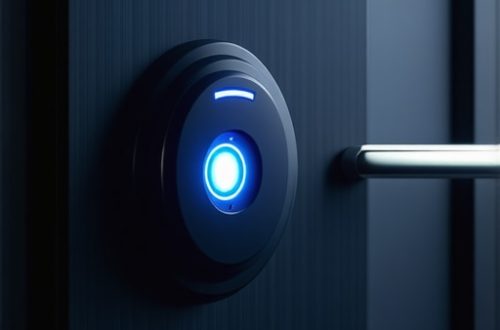
We are seeing a massive shift toward affordable biometric door hardware. By 2026, the fingerprint sensors have moved from optical scanning to capacitive and ultrasonic tech. Why does this matter? Because a photo of your thumb won’t get a thief inside anymore. However, smart lock hacking prevention tips are now part of my daily consults. A biometric lock is only as good as its manual override. If the backup keyway is a cheap 5-pin setup, you haven’t upgraded your security; you’ve just added a battery. Ensure your 2026 smart hardware uses 128-bit AES encryption and has a physical clutch that disengages the handle when locked, preventing ‘torque attacks’ where a wrench is used to force the internal motor.
3. Commercial Restricted Keyways for Residential Use
Key control is the most overlooked aspect of home security. If you give a spare key to a contractor or a dog walker, they can go to any big-box store and duplicate it in minutes. Commercial restricted keyways solve this. These systems use patented key blanks that are not available at hardware stores. Only the registered owner with a specific ID card can authorize a duplicate at a licensed locksmith shop. This is the ultimate fix for how to prevent future house lockouts and unauthorized entries. When you control the blanks, you control the access. In my shop, I use a specialized side-bar mechanism in these locks that requires a specific milling on the side of the key, making traditional picking virtually impossible because you are fighting two separate locking planes simultaneously.
“A lock only keeps an honest man honest unless it is built to resist the physics of force.” – Security Axiom
4. Reinforcing the Strike Plate: The Kick-In Fix
You can have a thousand-dollar lock, but if it is held into a pine door frame by half-inch screws, a teenager can kick it in. The strike plate is the most common failure point. A security fix for 2026 involves replacing standard plates with four-inch heavy-duty steel versions secured by 3-inch screws that bite directly into the wall studs behind the frame. This transfers the energy of a kick from the flimsy wood trim to the structural skeleton of the house. We also see smart locks for pet doors becoming a weakness; these must be integrated into the main alarm bus to ensure that a localized breach at the dog door doesn’t bypass the entire perimeter. If the wood in your area swells due to humidity, a misaligned strike plate can prevent the deadbolt from fully seating, which leaves the deadlatch vulnerable to ‘shimming.’ Always ensure a flush fit.
5. AI-Powered Locksmith Services and 2026 Trends
The future is here with AI-powered locksmith services 2026. We are now using diagnostic AI to analyze wear patterns in high-traffic commercial smart access control. For the homeowner, this means locks that can text you if they detect a ‘vibration attack’ or repeated failed biometric attempts. This data is becoming crucial for the 2026 locksmith insurance claims guide, as insurers are starting to require proof of ‘active defense’ hardware to cover high-value thefts. Even biometric keyless entry for cars is merging with home tech, allowing your vehicle to authenticate your home arrival and disarm the deadbolt as you pull into the driveway. But remember, the more tech you add, the more you need a physical fail-safe. Never rely on a cloud-based system that doesn’t have a mechanical override behind a high-security cylinder.
The Technician’s Verdict
Don’t be fooled by shiny finishes and high price tags. Security is found in the weight of the brass, the complexity of the pin stacks, and the reinforcement of the frame. Stop buying hardware that uses plastic internal components. If you can’t feel the weight of the bolt, it’s not going to stop a determined intruder. Real protection in 2026 is a hybrid approach: the intelligence of biometrics paired with the stubborn physics of a restricted, anti-pick mechanical core. [image-placeholder]



![Are Your Doors Safe? 3 Top Anti-Pick Locks for 2026 [Tested]](https://prolocksmithco.com/wp-content/uploads/2026/02/Are-Your-Doors-Safe-3-Top-Anti-Pick-Locks-for-2026-Tested-500x330.jpeg)