The 2026 Locksmith Landscape: Apps, Algorithms, and Aggregators
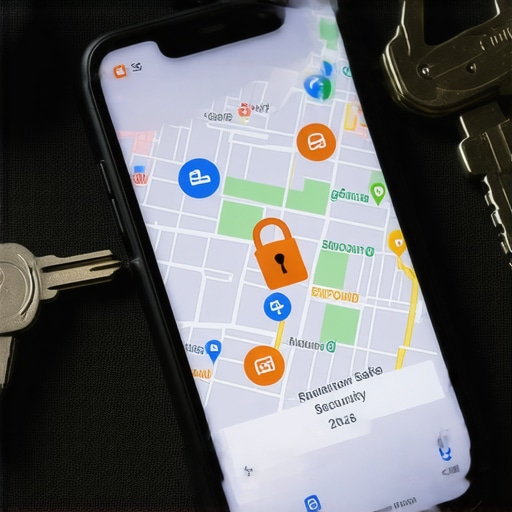
Look, I have been sitting at a locksmith bench for over twenty-five years. I have seen the transition from hand-filed skeleton keys to encrypted transponders that require more computing power than the Apollo 11. But the biggest threat to your security in 2026 isn’t a master thief with a set of high-end picks; it is the ‘Lead-Gen’ aggregator hiding behind a slick mobile app. These apps promise convenience, but they often dispatch ‘trunk slammers’—unlicensed subcontractors who view your door as a payday rather than a piece of engineering. If you are standing on your porch at 2 AM, the last thing you need is a scammer.
“Security is always a trade-off between convenience and protection.” – Industry Axiom
The Reality of the $29 Service Call
A lady came into my shop last Tuesday crying because a scammer she found through a booking app drilled her lock and charged her $850 for a ten-minute job. She had a high-quality Schlage deadbolt, something with solid brass internals and a nickel-silver pin set. The scammer told her the lock was ‘high-security’ and ‘unpickable.’ He didn’t even try to find the shear line. He just took a masonry bit to the cylinder, destroyed the housing, and replaced it with a piece of zinc ‘pot metal’ hardware that you could kick through with a heavy boot. This is the bait-and-switch. These apps advertise a $15 or $29 service fee to get their foot in the door, then they invent ’emergency surcharges’ and ‘technical complexities’ once your security is already compromised. Understanding how to prevent future house lockouts starts with knowing who is actually coming to your door. If they don’t have a physical shop in your area, they aren’t a locksmith; they are a ghost with a drill.
Tip 1: Demand Tool Transparency (The Lishi Test)
In 2026, any technician worth their salt uses precision tools, not destructive ones. When you book via an app, ask the dispatcher if the technician is proficient with Lishi 2-in-1 tools or air wedges for automotive entry. A Lishi tool is a marvel of locksmithing physics; it allows a pro to feel the individual resistance of each pin—identifying binding pins and setting them at the shear line without a single scratch to the keyway. If a guy shows up for a residential lockout and his first move is to pull out a power drill, stop him. A real pro understands the tolerances of a standard pin-tumbler system. They know that by applying a specific amount of torsional stress to the plug, they can exploit the microscopic manufacturing imperfections that allow each pin to set. Whether you need a locksmith for vintage car keys or a simple rekeying after burglary best practices, the approach should be surgical. For those vintage cars, we are talking about wafers and sidebars that require a delicate touch, not a sledgehammer. High-security locks vs standard locks comparison usually comes down to the metallurgy and the complexity of the bypass. If your ‘pro’ doesn’t know the difference, send them packing.
Tip 2: Verify the 2026 Wireless Lock Protocols
Many modern rentals and commercial spaces are moving toward keyless entry systems pros and cons. While these offer great audit trails, they are prone to digital vulnerabilities. If you are hiring someone to handle high-security locks for rental properties, they must understand 2026 wireless lock protocols explained in current security manuals. We are talking about WPA4-level encryption for Wi-Fi locks or the latest Zigbee/Z-Wave iterations. A scammer will have no idea how to reset a compromised gateway or how to properly ‘handshake’ a new smart lock with your local network. They will likely just bypass the electronics and leave your physical hardware weakened.
“The lock is only as strong as the frame it is mounted in.” – Security Manual 101
When upgrading to keyless systems, you need a technician who understands both the physical physics of the strike plate and the digital physics of the signal. If the app-dispatched tech can’t explain how they secure the ‘backdoor’ of the software, your rental property is wide open to any script-kiddie with a signal jammer.
Tip 3: The Commercial Mailbox and Multi-Unit Trap
One of the most common scams involves commercial mailbox lock repairs. Scammers know that property managers are often in a rush. They will charge triple the rate for a simple cam lock replacement. A real locksmith knows that mailbox locks are often governed by postal regulations and require specific ANSI-grade hardware to prevent ‘fishing.’ Similarly, for commercial accounts, you should be looking at Interchangeable Cores (IC). If you have a high-turnover rental, an IC system allows you to swap the ‘core’—the part where the key goes—in seconds without tools. This is the ultimate way to maintain key control. If your app-booked tech doesn’t know what a ‘Control Key’ is, they shouldn’t be touching your commercial hardware. Always check the 2026 locksmith insurance claims guide before any work starts. If the tech isn’t properly bonded and they damage your door frame during a ‘forced entry,’ your homeowner’s or business insurance might deny the claim because you hired an uncertified contractor.
The Technical Truth About Hardware
Proper security is about material science. Most ‘Big Box’ locks are made of die-cast zinc, which has a low melting point and brittle structural integrity. A master locksmith will point you toward cold-rolled steel or solid brass components. When we talk about rekeying after burglary best practices, we aren’t just changing the pins; we are inspecting the strike plate and the mounting screws. If your screws are only half an inch long, a toddler could kick your door in. We use three-inch hardened steel screws that bite into the jack stud of the house. That is the difference between an app-based ‘handyman’ and a master technician. Don’t let a $29 ad lead to a $2,000 door repair. Check for a local address, ask about their bypass tools, and never let them drill unless they have exhausted every forensic picking method in the book.