The Physical Reality of Smart Security A burglar doesn’t care about your Wi-Fi signal. They care about the fact that most residential doors are held shut by a half-inch of soft pine and a strike plate secured with screws that wouldn’t hold a picture frame. As we move into 2026, the obsession with voice-activated locks and biometric keyless entry for cars has hit a fever pitch, but after 25 years at the bench, I see the same old physical flaws hidden behind shiny touchscreens. If you think your voice is a magic shield, you’re missing the point of a deadbolt.…
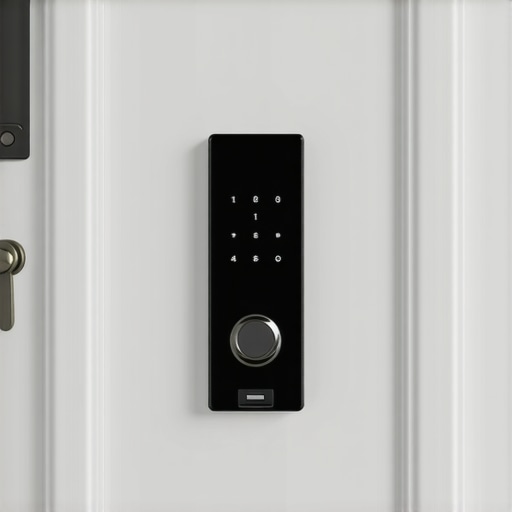
The 3 AM Reality Check and the Evolution of Entry I once had a customer call me at 3 AM because he was standing in a freezing rainstorm, his grocery bags were tearing, and his key had just snapped off inside a cheap, weathered Kwikset clone. He was shivering, angry, and looking at a two-hundred-dollar emergency service call because he relied on a piece of pot-metal hardware that hadn’t been lubricated since the Bush administration. As I stood there with my pick set, I watched him struggle with his bags and thought about how much of this misery could have…
The Era of the Physical Key is Dying Stop wasting time with brass keys that wear down until the bitting is useless. As a guy who has spent twenty-five years at a workbench, I can tell you that mechanical locks are failing faster than ever because manufacturers are using pot metal and zinc alloys instead of solid brass. I see the results every day in my shop. A lady came into my shop crying because a scammer drilled her lock and charged her six hundred dollars for a ten-dollar deadbolt. That is the Trunk Slammer special. They see a lockout…
The Anatomy of a Digital Breach: Why Physical Security Still Matters I’ve spent over twenty-five years behind a locksmith bench, surrounded by the smell of brass shavings and the tactile resistance of high-tension springs. In that time, I’ve seen security evolve from simple five-pin tumblers to the complex smart deadbolts with fingerprint scanners we see today. But here is the cold, hard truth: a lock is a physics problem, and adding a circuit board doesn’t change the laws of nature. Burglars in 2026 aren’t just carrying crowbars; they’re carrying signal boosters and deauth tools. Yet, the most common entry point…
The Illusion of Digital Safety: A Master Locksmith’s Warning I’ve spent over 25 years at a workbench, breathing in the scent of brass shavings and TRI-FLOW lubricant. I’ve seen security evolve from basic skeleton keys to encrypted biometric scanners, but one thing never changes: security is a physics problem, not a software update. Most homeowners in 2026 treat their biometric locks like a smartphone—they think if the screen glows, the house is safe. That’s a dangerous lie. I own a real brick-and-mortar shop, and I see the aftermath of these ‘high-tech’ installs every single day. People are trading solid steel…
The Apprentice Lesson: Digital Handshakes and Physical Realities I teach my apprentices that if you have to force the key, you’ve already lost. But in 2026, the ‘key’ isn’t always a piece of brass; it is a burst of 2.4GHz or 5GHz data. I remember standing in my shop last Tuesday, showing a kid how a physical shear line works on a high-security cylinder, and he asked me if digital locks were ‘easier.’ I told him that while you cannot use a pick set on a packet of data, the physics of a bypass remain the same. If the electronic…