Ever had that sinking feeling when you realize the front door lock is malfunctioning just as customers start pouring in? I remember a time early in my career when I overlooked the importance of a reliable lock system, only to be locked out of my own store. That moment taught me a hard lesson: in business security, there’s no room for second chances. And honestly, it’s a mistake I see many entrepreneurs make—assuming their locks are enough until a mishap occurs.
Your Business Deserves Better Security
Choosing the right commercial deadbolt and lock system isn’t just about compliance or convenience; it’s about safeguarding your livelihood. A sturdy deadbolt acts like a reliable gatekeeper, providing peace of mind that your assets are protected after hours and during emergencies. Today, I aim to guide you through the essentials of modern lock systems, so you never find yourself at risk due to outdated or faulty hardware.
Is a Commercial Lock System Really That Important?
Absolutely. I’ll admit, when I first started, I thought a basic lock would do the trick. It wasn’t until I faced a break-in that I realized how crucial a well-designed, high-security lock system truly is. A mistake I made was ignoring the quality and maintenance of my locks, which made my business vulnerable. Since then, I’ve learned that investing in trusted deadbolt solutions and regular maintenance can prevent costly emergencies. According to the National Crime Prevention Council, businesses with upgraded security systems are 60% less likely to experience break-ins, proving that your lock choices directly affect your safety.
So, if you’ve ever wondered whether your current lock system is enough, you’re not alone. Many business owners have faced the same dilemma, and the good news is—there’s a straightforward way to upgrade and secure your property effectively.
What We’ll Cover Next
In the following sections, I’ll share practical tips on selecting the best commercial deadbolt systems, maintenance routines, and how to ensure your locks are functioning at their best. Ready to stop worrying about lock failures? Let’s dive into how to make your security system work for you, not against you.
Choose the Right Lock Hardware
Start by selecting high-quality, commercial-grade deadbolts that are designed for durability and security. I remember replacing a flimsy lock at my first store with a robust, ANSI-rated deadbolt. The installation process was straightforward but crucial—if you don’t install it correctly, even the best hardware won’t protect you. For detailed tips on installation, visit reliable auto lockout deadbolt installation tips.
Assess Your Current Security Setup
Conduct a thorough inspection of existing locks and hardware. Check for signs of wear, corrosion, or damage. I once overlooked this step and faced a break-in because my locks had become compromised. Use a flashlight and a screwdriver to verify each lock’s integrity. This initial assessment helps identify weak points, guiding your upgrade decisions.
Install or Upgrade Deadbolt Systems
Remove Old Hardware Carefully
Begin by removing outdated or damaged locks with appropriate tools. Take care to avoid damaging the door or surrounding hardware. My first attempt involved a hammer and screwdriver, which caused some minor door chipping. Afterward, I learned to use proper screwdrivers and take my time—saving me money and time in the long run.
Follow Manufacturer Instructions Precisely
When installing new deadbolts, always adhere to the manufacturer’s instructions. This ensures proper fit, function, and security. I recommend testing the lock multiple times during installation to confirm smooth operation. For more on advanced lock systems, check top auto lockout deadbolt solutions.
Integrate Electronic or Smart Lock Features
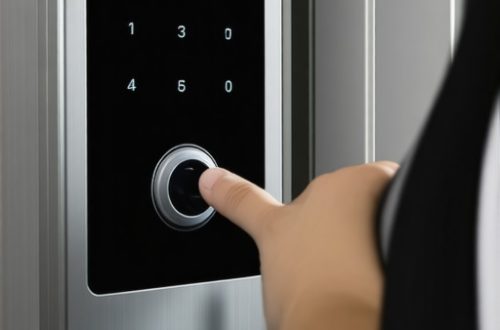
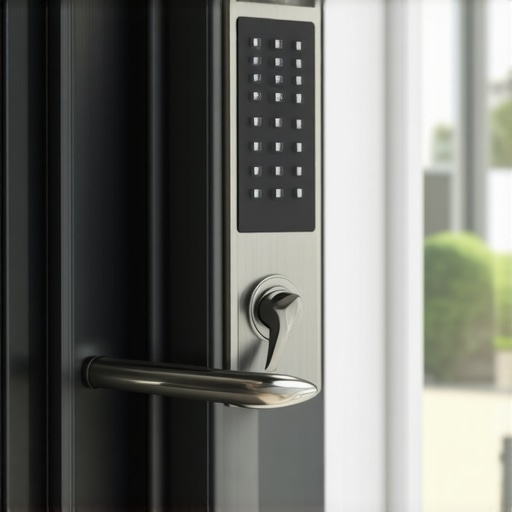
If you want to boost security further, consider electronic or smart deadbolt options. These systems allow remote access control, audit trails, and temporary codes for staff. When I upgraded to a smart deadbolt, I immediately gained peace of mind, especially when managing multiple locations. For expert advice, visit auto lockout deadbolt security tips.
Secure Additional Entry Points
Remember, all entry points need securing. Don’t neglect windows, secondary doors, or service entrances. I once focused only on the main door, only to find a break-in at a less-secured side door. Use similar high-quality deadbolt solutions for these areas, and consider reinforcing frames and strike plates for added protection.
Set Up Routine Maintenance
Regularly inspect, clean, and lubricate your locks to ensure they function flawlessly. I schedule bi-annual checks, applying a graphite-based lubricant to prevent sticking. This proactive approach prevents lockouts and maintains security integrity. For detailed maintenance strategies, see trusted auto lockout deadbolt repair tips.
Document and Train Staff
Finally, ensure your team understands how your new lock systems work. Keep manuals accessible and conduct training sessions. I once had a staff member accidentally lock themselves out because they weren’t familiar with the smart lock app. Clear protocols and quick troubleshooting guides make a huge difference in operational security.
Implementing these steps transforms your security from a guesswork game into a reliable, professional system built for business resilience. Every step reinforces your defenses, making it harder for intruders and easier for you to manage access.
Many business owners operate under assumptions about their lock security that can inadvertently expose their premises to risk. Let’s dig deeper into some of the most prevalent myths and advanced mistakes that even seasoned entrepreneurs might fall for, often without realizing the potential consequences.
Why Most People Overlook the Nuances of Lock Quality
It’s a widespread belief that all locks are created equal. However, the truth is that the difference between a cheap, non-rated lock and a high-security, ANSI-rated deadbolt can be the difference between a secure business and a costly break-in. A common mistake is choosing locks based solely on price or brand reputation without verifying their certification standards. Investing in trusted deadbolt solutions that meet industry standards is vital for real security.
Beware the Myth of Routine Maintenance Being Optional
Many owners assume that locks will last forever without intervention. This misconception can lead to neglect, resulting in worn-out hardware that’s vulnerable to tampering or failure. The advanced nuance here is understanding that even durable locks need regular inspection and lubrication, especially in high-traffic environments. Skipping routine upkeep can turn a minor issue into a major security breach. Regularly scheduled maintenance, as outlined in trusted auto lockout deadbolt repair tips, can prevent these costly mistakes and ensure your hardware functions when you need it most.
Advanced Security Features Are Overkill
Some believe that integrating electronic or smart lock features is unnecessary or overly complex. Instead, these features provide audit trails, remote access, and temporary codes that significantly enhance security. For example, smart deadbolts can log who enters and exits, which is invaluable for managing multiple staff or tracking unauthorized access. Ignoring these advanced options might leave your business vulnerable to insider threats or unnoticed breaches. For expert insights on integrating these systems, check out auto lockout deadbolt security tips.
How to Avoid the Trap of Underestimating Secondary Entry Points
A common oversight is focusing solely on the main entrance while neglecting windows or side doors. These often become weak points if not secured with equally reliable hardware. The advanced mistake here is assuming that a lock on the front door suffices for overall security. Reinforcing all entry points with high-quality deadbolts and strike plates, and ensuring their proper installation, is crucial. For comprehensive strategies, consult trusted commercial deadbolt lockout solutions.
Have you ever fallen into this trap? Let me know in the comments. Remember, understanding these nuances can make all the difference between a false sense of security and real peace of mind. Staying informed and proactive is your best defense against sophisticated threats and hardware failures.
Maintaining your lock system is crucial to ensure long-term security and operational efficiency. Over time, even the best hardware can wear out or become less effective if not properly cared for. I personally recommend investing in high-quality maintenance tools and establishing a routine to keep your locks functioning flawlessly. This proactive approach not only prevents unexpected failures but also extends the lifespan of your hardware.
One tool I rely on heavily is a precision screwdriver set. Unlike generic screwdrivers, these allow me to carefully tighten or replace lock components without damaging delicate parts, which is essential during regular inspections or upgrades. Additionally, a graphite-based lubricant is my go-to for lubricating locks, as it doesn’t attract dirt or grime like oil-based lubricants do. Applying this lubricant bi-annually prevents sticking and ensures smooth operation, especially in high-traffic environments.
For electronic or smart lock systems, I use a multimeter to verify electrical connections and ensure that power supplies are stable. Faulty wiring or weak batteries can cause lock malfunctions, so regular checks with a multimeter can catch these issues before they become security risks. I also recommend a digital inspection mirror to access hard-to-see components inside locks or door hardware, which simplifies troubleshooting without dismantling entire units.
In terms of software, I utilize specialized management apps to track lock activity and schedule maintenance alerts. These apps can notify me when a lock’s firmware needs updating or if irregular activity patterns are detected, allowing me to respond swiftly. As technology advances, I predict that AI-powered diagnostic tools will become standard, enabling even more predictive maintenance and minimizing downtime.
How do I maintain lock hardware over time?
Regular inspections are vital. I recommend checking each lock monthly for signs of wear, corrosion, or misalignment. Cleaning with a soft brush and applying graphite lubricant ensures that internal components move freely. For electronic locks, replace batteries at least once a year, even if they haven’t drained completely. Additionally, keep software and firmware up to date by following manufacturer instructions or consulting a trusted locksmith service for expert updates, like those detailed in auto lockout deadbolt repair tips.
Finally, I recommend having a professional locksmith perform an annual comprehensive system check. They can identify potential issues early and suggest upgrades, ensuring your security remains robust. Remember, investing in the right tools and routine maintenance now can save you significant costs and headaches later. Don’t wait for a lockout or break-in—be proactive. If you want to take your lock management to the next level, try implementing a scheduled maintenance plan using these tools and methods, and you’ll notice a marked improvement in reliability and peace of mind.
The Hardest Lessons I Learned About Business Lock Security
One of the most eye-opening lessons I encountered was realizing that even the most seemingly sturdy locks can be a false sense of security if not properly chosen or maintained. I once relied on cheap hardware, thinking it would hold up, only to face a break-in. That moment was a stark reminder that investing in reliable, certified deadbolt solutions is crucial. It taught me that quality hardware isn’t just an expense—it’s a safeguard for your livelihood.
My Essential Toolkit for Lock Security
Over time, I’ve curated a set of trusted tools that help me keep my business secure. A high-quality precision screwdriver set allows me to perform routine inspections without damaging components. I also rely on a multimeter for electronic lock checks and a software management app to track lock activity. These tools have been game-changers in proactive security management.
Letting Go of the Myth That Maintenance Is Optional
I used to think that once a lock was installed, my job was done. But neglecting routine inspections and lubrication led to failures and vulnerabilities. Now, I schedule bi-annual checks, applying graphite-based lubricants to keep everything running smoothly. Regular maintenance is the secret to preventing lockouts and ensuring your security measures hold up over time. For detailed strategies, I recommend reviewing trusted auto lockout deadbolt repair tips.
What Experts Won’t Tell You About High-Security Locks
Many assume all locks are equal, but the truth is that certifications like ANSI ratings make a huge difference. Choosing cheap, non-rated locks is a risky gamble. Investing in trusted deadbolt solutions that meet industry standards offers real peace of mind. Don’t fall for the myth that price equals security—certification and quality hardware are what count.
Where to Go from Here
If you want to elevate your business security, start by assessing your current locks and upgrading to high-grade deadbolts. Consider electronic or smart deadbolt systems for added control and peace of mind, especially if managing multiple locations. Remember, securing all entry points, including windows and secondary doors, is vital. Routine maintenance and staff training complete the picture, making your security system both resilient and manageable. For more detailed insights, explore auto lockout deadbolt security tips.
Stay Vigilant, Stay Secure
Building a robust security system isn’t a one-time effort; it’s an ongoing commitment. Regular inspections, quality hardware, and smart technology are your best allies in protecting your business. Don’t wait for a crisis—be proactive and keep your livelihood safe. Have you ever overlooked a small detail that later cost you? Share your story below, and let’s learn together how to stay one step ahead in business security.