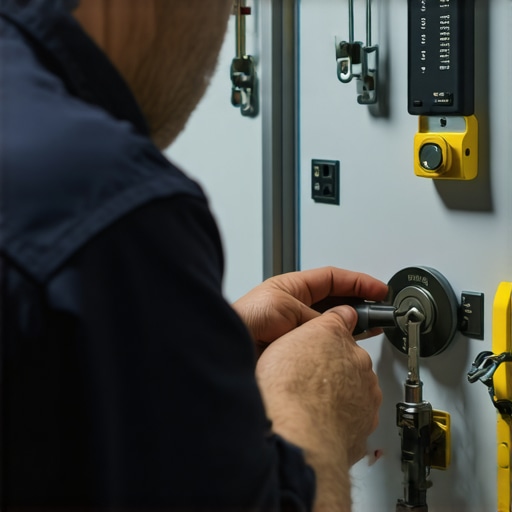
Imagine this: I was rushing out the door one busy morning, about to leave for an important meeting, when I suddenly realized I couldn’t get back into my own office. The lock jammed. Frustration skyrocketed, and I felt a wave of helplessness—that sinking feeling of being locked out of my own space. It wasn’t just inconvenient; it was a wake-up call about the importance of reliable, high-quality locks.
Don’t Let Old Locks Leave Your Business Vulnerable
That moment made me realize how crucial it is to not only have sturdy deadbolts and locks but to stay updated with the latest security advancements. In 2024, the landscape of commercial lock security is evolving rapidly, and what worked a few years ago might not cut it anymore. Outdated systems can become easy targets for intruders, putting your assets and safety at risk.
Today, I’ll share my insights into selecting the best deadbolt and commercial lock systems to protect your business effectively. Whether you’re upgrading existing locks or investing in new security, knowing what features to look for can make all the difference. Let’s explore how to make your locks work for you, not against you.
Is Security Technology Actually Worth the Investment?
It’s a valid question. Early in my career, I made the mistake of choosing a cheap lock based solely on price, thinking it would do the job. That decision backfired when the lock failed during a break-in attempt. Looking back, I realize that investing in higher-quality, reliable systems not only saves money in the long run but also provides peace of mind. According to security expert sources, upgrading to the latest deadbolt technologies can significantly deter intruders and reduce lock-related vulnerabilities (see more here).
In the sections ahead, we’ll dive into what makes a deadbolt truly secure and how to choose commercial lock systems tailored for your needs. Ready to fortify your property and prevent that dreaded lockout or breach? Let’s get started and ensure your business space is protected in 2024 and beyond.
Assess Your Current Lock System Critically
Start by evaluating your existing deadbolt and lock setup. Remove old, tarnished, or malfunctioning locks and note their shortcomings. For practical assessment, I once replaced a failing deadbolt in my office after discovering rust and misalignment during a routine inspection. This simple step uncovered vulnerabilities before an actual breach occurred. Don’t just look at the locks—test their ease of operation and resistance to tampering. Use a screwdriver or pick to gently probe weak spots, mimicking potential intruder techniques. This firsthand insight guides your upgrade choices and illuminates specific security gaps.
Select the Right Commercial Lock System
Choosing a lock isn’t merely about aesthetics; it’s about matching features with your security needs. Opt for a model like those featured in top commercial lock systems that offer high durability, pick resistance, and key control. I’m reminded of a time I spent hours researching and testing multiple locks for my storefront, ultimately installing a digital deadbolt system with audit trails, which drastically improved security versus traditional keys. Prioritize features such as anti-drill plates, reinforced strike plates, and reinforced cylinders to deter forced entry. Always verify certifications like ANSI or UL to ensure quality compliance.
Install Your Deadbolt Correctly
Proper installation dictates lock effectiveness. Use precise measurements to drill holes, avoiding misalignments that can weaken security. During my installation process, I mistakenly misaligned the strike plate, which compromised the lock’s strength, necessitating a retake. Secure the strike plate with at least four sturdy screws into the door frame, not just the frame’s surface—this is key for resisting forced entry. Follow manufacturer’s instructions meticulously, and if unsure, seek help from professional locksmith services for flawless setup.
Enhance Lock Security with Technology
Leverage smart lock solutions or electronic deadbolts to add layers of security. Recent models allow remote access control, audit logs, and temporary codes for employees, dramatically reducing unauthorized access risks. I recall installing a keypad lock that allowed me to change codes remotely after a staff member left, preventing potential security lapses. For critical areas, integrating these with surveillance systems creates a comprehensive security ecosystem. Always choose reputable brands meeting your commercial needs, and consider consulting trusted recommendations for the most reliable options.
Schedule Regular Maintenance and Upgrades
Locks aren’t set-and-forget devices; they require routine checks. Lubricate moving parts annually with graphite or silicone spray, inspecting for wear or damage. I learned this the hard way when a stuck deadbolt left me unable to secure my office door after a storm loosened internal mechanisms. Upgrading outdated locks periodically ensures protection against emerging threats. Keep records of installation dates and maintenance routines to identify when replacements are due. Staying proactive saves money and enhances security over time.
Train Staff on Lock Procedures and Security
Empower your team to recognize security vulnerabilities. Conduct quick training sessions on proper lock usage, key management, and recognizing tampering signs. A quick, informal workshop I once held revealed that some staff shared codes, potentially compromising security—leading me to implement individual codes and strict access logs. Regular reminders about security protocols and quick response plans cultivate a vigilant environment. This human element is as critical as the hardware itself in maintaining layered security.
Partner with Locksmith Experts for Ongoing Support
When in doubt or facing complex issues, don’t hesitate to consult specialists. Professional locksmiths can provide tailored advice, expert installation, and emergency services, especially crucial during lockouts or system failures. I experienced a lockout during non-business hours and contacted a trusted locksmith who arrived within 20 minutes, quickly resolving the issue without damaging existing hardware. Establishing a relationship with reliable locksmith services ensures your system remains updated, secure, and responsive to potential threats. Explore options at this resource.
Many assume that choosing a deadbolt is merely about durability or appearance, but there’s a layered complexity that often goes unnoticed. Contrary to popular belief, not all deadbolts are created equal, and selecting the wrong type can inadvertently introduce vulnerabilities rather than prevent them. For instance, some homeowners and business owners focus exclusively on the lock’s star rating but overlook the importance of installation quality—an error that can nullify even the most advanced locking mechanism. A poorly installed deadbolt, regardless of its specifications, becomes an easy target for intruders, emphasizing that installation expertise is just as critical as the lock’s features. To truly secure your property, understanding the nuanced differences between lock types and installation standards is essential. For example, a lock with a reinforced cylinder resistant to drilling offers far better protection than a basic model, especially when paired with top commercial lock systems. However, many overlook this synergy, mistakenly believing that a single upgrade suffices. Additionally, myths surrounding auto lockout situations often lead to dangerous shortcuts. A common misconception is that DIY solutions or quick fixes are enough, but these can damage lock components or compromise security. Professional locksmiths not only resolve such issues swiftly but also prevent future failures through system upgrades and maintenance. Moreover, there’s an advanced nuance in modern lock technology, such as electronic deadbolts integrated with smart systems, which require specific knowledge for optimal deployment. Failing to understand these can result in system failures or vulnerabilities, especially if not configured correctly. According to security experts, many breaches happen because of overlooked integration flaws rather than technical flaws in the locks themselves (see more here). So, when it comes to deadbolts and locksmith services, it’s not just about the hardware but also about understanding these subtle distinctions and avoiding common pitfalls. Having the right lock is only part of the puzzle; proper installation, maintenance, and awareness of emerging tech are vital components of a comprehensive security strategy. Don’t fall into the trap of over-simplification—your peace of mind depends on recognizing these hidden nuances. Have you ever fallen into this trap? Let me know in the comments.
Tools That Make Maintenance Easier
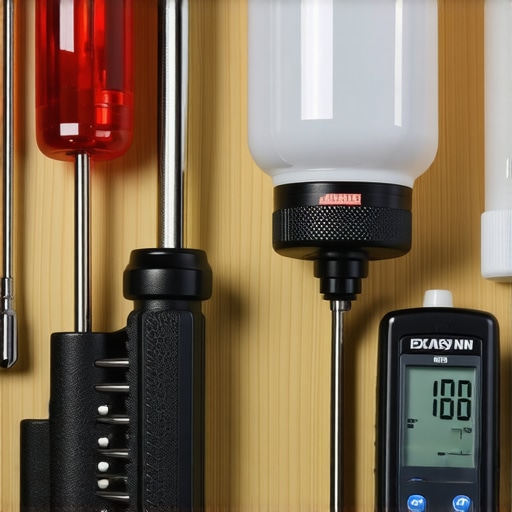
Maintaining your deadbolt and lock systems doesn’t have to be a daunting task if you equip yourself with the right tools. I personally rely on a high-quality precision screwdriver set because many lock components, especially those with electronic features, require careful adjustments. A pen-style lubricant dispenser filled with graphite powder is invaluable for ensuring smooth operation of moving parts without gumming up internal mechanisms. Additionally, I recommend a digital caliper to verify the exact dimensions when replacing strike plates or cylinders, ensuring proper fit and maximum security. These tools have saved me hours during installations and routine maintenance, minimizing errors and prolonging lock lifespan.
Software Solutions For Long-Term Security
Beyond physical tools, leveraging software can significantly enhance your lock management. I use a dedicated access control management system that allows me to generate, revoke, and monitor employee codes remotely. These platforms often include audit logs, which are crucial for identifying suspicious activity over time. As technology advances, I predict a shift towards AI-powered security analytics, capable of detecting anomalies in access patterns, proactively alerting you to potential breaches before they occur. Adopting such software not only streamlines maintenance but also provides valuable data to inform future security upgrades.
How do I maintain my lock systems over time?
Regular checkups are essential. I schedule bi-annual inspections where I clean and lubricate all moving parts, replace worn components, and update digital access permissions. Testing the lock during these reviews, like trying to open it with different keys or codes, helps identify issues early. For electronic locks, updating firmware and performing system diagnostics safeguard against cyber vulnerabilities. Proper maintenance extends the lifespan of your security hardware and keeps it functioning flawlessly, providing peace of mind and safeguarding your assets.
Investing in quality tools and staying proactive with software updates ensures your lock systems remain reliable. Remember, a well-maintained lock is your first line of defense against unauthorized access. If you’re interested in elevating your security setup, consider exploring the latest top commercial lock systems tailored for durability and advanced features. Don’t forget to regularly review and adjust your maintenance routines — a small investment now can save you significant trouble later.
What I Learned About Choosing the Right Lock
- I realized that not all deadbolts are equal; investing in high-quality, reinforced cylinders made a tangible difference in security, especially in high-risk areas.
- Proper installation is crucial—no matter how advanced the lock is, a misaligned strike plate or poor hardware can create vulnerabilities.
- Regular upkeep and maintenance can prevent unexpected failures, which could be disastrous during emergencies or security breaches.
- Technology integration, like smart locks, adds layers of security but requires understanding and proper setup to function effectively.
- Collaborating with experienced locksmiths ensures that the system is tailored to your specific needs, reducing risks and enhancing overall protection.
Tools and Resources That Changed My Perspective
- A precision screwdriver set became indispensable for accurate installation and adjustments—it’s a small investment that pays off in security and ease of maintenance.
- Access control management software introduced me to proactive security—monitoring, remote code changes, and audit logs help detect anomalies early.
- Guides from trusted locksmith websites provided insights into the nuances of lock systems and installation techniques, emphasizing the importance of expertise.
- Books on security fundamentals expanded my understanding beyond hardware, highlighting human factors and procedural routines.
Empower Your Business Today
Remember, securing your property isn’t just about installing a lock; it’s about creating a layered defense that adapts to evolving threats. By applying these lessons, leveraging the right tools, and partnering with experts, you can stay one step ahead in protecting what matters most. The next move is yours—invest in your security now and enjoy peace of mind knowing your business is well-guarded. Have you ever noticed a seemingly minor detail in your lock setup that made a big difference? Share your experience below and let’s learn together!
,


![5 Modern Access Control Fixes for Co-Working Spaces [2026]](https://prolocksmithco.com/wp-content/uploads/2026/02/5-Modern-Access-Control-Fixes-for-Co-Working-Spaces-2026-500x330.jpeg)