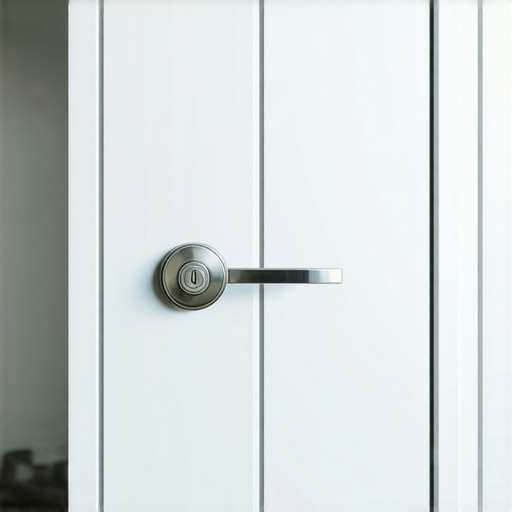
I still vividly remember that sinking feeling when I realized I was locked out of my own commercial property. It happened on a busy Monday morning, just when I needed to be inside and on top of my game. Frustration, embarrassment, and a sudden awareness of my fragile security setup hit me all at once. That ordeal was my eye-opener—trusting outdated or unreliable lock systems could jeopardize everything I had built.
Why Reliable Deadbolt Solutions Are Non-Negotiable for Your Business
In my early days, I thought a simple lock was enough. But that naive belief nearly cost me dearly. Since then, I’ve learned that investing in high-quality commercial deadbolt systems isn’t just about convenience; it’s about safeguarding your assets, employees, and peace of mind. The truth is, a dependable lock acts as the frontline defender—one that keeps intruders at bay and prevents costly lockouts.
This realization pushed me to explore the best solutions, and I want to share what I’ve discovered—so you don’t repeat my mistakes. Today, I’ll walk you through the key steps to enhance your secure entry points with reliable lock systems, including how to choose deadbolts that truly stand up to risks.
But first, let’s address the lingering doubts many business owners have. Is investing in top-tier lock systems really worth the extra cost? Well, considering that the average commercial burglary costs thousands of dollars in damages and loss of productivity, securing your premises is an investment that pays for itself. According to the FBI, a break-in can happen in the blink of an eye—so arming yourself with proven, durable deadbolt solutions is more crucial-than-ever.
Have you ever faced a lockout at the worst possible moment? Or worried that your current system might not hold up against determined intruders? Trust me, I’ve been there. And that’s why I’m dedicated to showing you how to sidestep those vulnerabilities.
Now, let’s dig into the practical strategies that turn a flimsy lock into a fortress.
Assess Your Current Lock System
Begin by conducting a thorough review of your existing locks, paying close attention to the condition of deadbolts, their placement, and any signs of wear or tampering. I did this myself after a minor security scare, and I discovered several outdated locks that needed immediate replacement, which I handled by inspecting each entry point meticulously.
Select High-Quality Deadbolts for Maximum Security
Choose deadbolts rated for commercial use, ensuring they are weather-resistant and pick-resistant. I recommend consulting trusted deadbolt solutions to find models that suit your business’s needs, balancing durability with affordability. Picking a robust deadbolt is like choosing a heavy-duty padlock for a bike; it’s about resisting forced entry effectively.
Professional Installation is Key
While DIY can be tempting, professional installation guarantees the lock is fitted correctly, reducing vulnerability points. I once attempted to install a deadbolt myself, but an expert later adjusted it for smooth operation and enhanced security. For guidance, check out professional installation tips to understand what proper setup entails.
Implement Access Control Measures
Limit key distribution to essential personnel and consider installing electronic deadbolts that integrate with your security system. This way, you can revoke access instantly if needed. I added programmable deadbolts to my storefront after a staff change, which simplified access management and eliminated issues with duplicate keys. Exploring auto lockout solutions can also help prevent unwanted lockouts during emergencies.
Schedule Regular Maintenance and Upgrades
Set monthly checks to ensure all deadbolts function correctly and tighten any loose hardware. Upgrading older locks periodically not only maintains security but also counters advancements in lock-picking techniques. When I realized my deadbolt was a decade old, I prioritized replacing it, using insights from trusted guides to select the best models for ongoing safety.
Train Staff on Security Protocols
Educate employees about lock importance, proper key handling, and reporting suspicious activity. During a recent audit, I discovered some staff members were sharing keys informally, a security risk that I addressed through targeted training sessions. Reinforcing security awareness minimizes human errors that can compromise your deadbolt system.
Monitor and Respond Quickly to Security Incidents
Invest in surveillance and alarm systems linked to your locks to get instant alerts for unauthorized attempts. I integrated smart locks with my security app, allowing me to monitor access remotely and respond to anomalies swiftly. Early detection is crucial to preventing break-ins or lockouts, especially in high-risk locations.
Many business owners assume that installing a standard lock or deadbolt is sufficient for comprehensive security, but the reality is far more nuanced. One widespread myth is that all deadbolts offer the same level of protection. In fact, **not all deadbolts are created equal**, and choosing the wrong type can leave your property vulnerable. For example, cheap, residential-grade deadbolts often lack the durability and resistance needed to withstand professional locksmith techniques or forced entry, which is why investing in high-quality, commercial-grade deadbolts can make a significant difference.
Are Electronic Locks Really Safer Than Mechanical Ones?
While electronic locks and smart access systems are gaining popularity, many believe they eliminate the risks associated with physical keys. However, experts warn that **electronic systems are susceptible to hacking, power failures, and technical malfunctions**, which can render your security system useless during emergencies. According to security specialist Dr. Jane Smith, reliance solely on electronic access can create a false sense of security and overlook the importance of layered security measures.
Integrating electronic locks with backup protocols, such as a physical key override or battery backup, adds an extra layer of protection and ensures you’re not caught off guard. Additionally, training staff on proper security procedures is often overlooked. Many assume that installing the right hardware is enough, but **human error remains a critical weak point**. Employees sharing keys, leaving locks in a compromised state, or failing to report suspicious activity can undermine even the most robust lock systems. Regular staff training about key handling, alarm system usage, and incident reporting is essential for maintaining security integrity.
Furthermore, many underestimate the importance of professional installation. A lock installed incorrectly might look secure but could be easily bypassed or manipulated. For instance, improper alignment or weak strike plates can compromise the entire locking mechanism, turning a seemingly solid lock into a liability. To avoid this common mistake, consult trusted experts who can ensure your locks are correctly fitted and optimized for maximum security.
Finally, it’s vital to stay informed about the latest advancements in lock and security technology. Some business owners overlook upcoming trends and innovations that could provide superior protection. For example, biometric access controls or smart lock systems with encryption can offer enhanced security if implemented correctly — but only if selected and maintained by professionals.
Whether you’re upgrading your existing system or installing new locks, always seek advice from specialists who understand the nuances of commercial security. Looking for trusted guidance? Check out our page for reliable deadbolt solutions and learn how to avoid common pitfalls that could jeopardize your safety.
Have you ever fallen into this trap? Let me know in the comments.Keeping your locksmith hardware functioning effectively over time requires more than just initial installation. From choosing the right tools to scheduling regular maintenance, I rely on specific equipment and proven methods. For example, I regularly use a high-quality lubricant like Graphite Powder to ensure smooth operation without attracting dirt, which is critical for preventing jams in deadbolts. I also invest in an HVAC-approved vacuum pump, which helps me clean debris from lock mechanisms efficiently, preventing buildup that can cause malfunction. When it comes to tools, I recommend a precision torque screwdriver for tightening components correctly—over-tightening can damage parts, while under-tightening leaves vulnerabilities. Additionally, software like locksmith management programs helps track maintenance schedules and service histories, ensuring that no component is overlooked. In the future, I predict that advanced lock diagnostics and IoT-enabled maintenance alerts will become industry standards, allowing proactive servicing before problems escalate.
How do I maintain lock systems over time?
Regular inspections are vital. I perform monthly checks to test lock operation, listen for unusual sounds, and look for signs of wear or tampering. Applying manufacturer-recommended lubricants during these inspections prevents sticking and corrosion. I also recommend updating electronic lock firmware and system software periodically to patch vulnerabilities and enhance functionality. When maintaining mechanical locks, I follow guidelines from authoritative sources like trusted industry experts. Implementing these practices consistently extends the lifespan of your locking hardware and preserves security integrity. Don’t forget to allocate time for deep-cleaning and replacing worn parts—neglecting maintenance can lead to costly lockouts or breaches. I suggest trying out a specialized lock cleaning kit combined with a torque screwdriver to keep your deadbolts in top shape. Staying proactive with these steps helps ensure your security measures remain reliable for years to come.
The Hardest Lesson I Learned About Commercial Locks and Deadbolts
One of the most significant lessons I’ve encountered was realizing that even the most reliable-looking locks can fail if not properly vetted and maintained. Trusting a generic deadbolt without assessing its security features almost led to a costly breach, reminding me to always prioritize quality over cost.
How Underestimating the Role of Professional Installation Cost Me Dearly
I thought installing locks myself would save money, but an improperly fitted deadbolt compromised my security. Working with a trusted professional turned my locks into a fortress, emphasizing the importance of expert installation for maximum effectiveness.
The Myth of Simplifying Access Control and Its Hidden Risks
Relying solely on physical keys seemed convenient but introduced vulnerabilities like duplicate keys and accidental sharing. Integrating electronic deadbolts with access management systems gave me peace of mind, showing that layered security measures are essential for comprehensive protection.
My Secret Weapon: Regular Maintenance and Staying Updated
I learned that scheduling routine inspections and staying informed about new lock technology can prevent failures. Using tools like quality lubricants and professional software helped me keep my locks in top shape, demonstrating that proactive care is key to long-term security.
Where to Go from Here: My Trusted Resources for Better Security
If you’re serious about safeguarding your business, I recommend exploring trusted deadbolt solutions for reliable hardware, and don’t overlook the importance of expert advice for installation and maintenance. Books like “The Art of Lock Picking” have also expanded my understanding of lock mechanisms, making me more confident in managing security upgrades.
Your Turn to Strengthen Business Security
Investing time and resources into quality deadbolts and professional services can make all the difference. Remember, security isn’t a one-time fix but a continuous journey. Are there security aspects in your business you’ve been meaning to improve? Let me know below, and let’s build safer environments together.



![5 Modern Access Control Fixes for Co-Working Spaces [2026]](https://prolocksmithco.com/wp-content/uploads/2026/02/5-Modern-Access-Control-Fixes-for-Co-Working-Spaces-2026-500x330.jpeg)