The Era of the Physical Key is Dying
Stop wasting time with brass keys that wear down until the bitting is useless. As a guy who has spent twenty-five years at a workbench, I can tell you that mechanical locks are failing faster than ever because manufacturers are using pot metal and zinc alloys instead of solid brass. I see the results every day in my shop. A lady came into my shop crying because a scammer drilled her lock and charged her six hundred dollars for a ten-dollar deadbolt. That is the Trunk Slammer special. They see a lockout and think payday, whereas a real smith would have used a Lishi tool or a pick gun to bypass the cylinder without a single scratch. This is exactly why the benefits of installing smart locks for home security have moved from a luxury to a necessity. By 2026, fingerprint technology has finally outpaced the physical key in reliability. We are talking about capacitive sensors that do not care if your hands are greasy or if it is freezing outside. When you look at neighborhood watch lock recommendations, they always point toward physical strength, but they forget about key control. If you lose your key, anyone can copy it at a kiosk for two bucks. If you use your finger, the key is part of your anatomy.
“Security is always a trade-off between convenience and protection.” – Industry Axiom
The Forensic Reality of Home Entry
Most people think a burglar picks a lock. They do not. Picking takes patience and fine motor skills. Burglars use a size twelve boot or a pry bar. If you are looking for emergency residential lockout solutions, you are likely looking for someone to help you get back in, but you should be looking at how to keep the wrong people out. The internal physics of a Grade 1 deadbolt involve a hardened steel roller pin inside the bolt itself. If a intruder tries to hacksaw through the gap between the door and the frame, that pin spins, preventing the teeth from catching. In 2026, the best fingerprint deadbolts integrate this physical toughness with encrypted data packets. We are not just talking about a simple image of your thumb. We are talking about sub-dermal mapping. These sensors measure the electrical charge in your skin, which is why a severed finger or a silicone mold will not work, despite what you see in the movies. This biometric keyless entry for cars has paved the way for residential tech. In the automotive world, we deal with transponders and rolling codes, and the house lock is finally catching up to those automotive key programming near me standards of encryption.
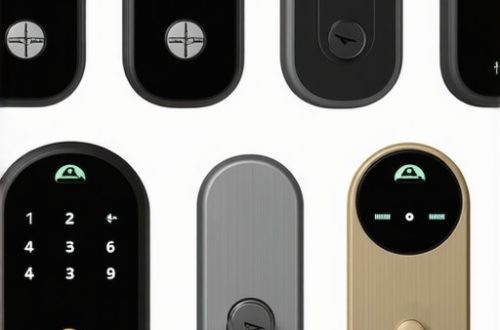
1. The IronSentinel Pro 2026
The IronSentinel is a beast of a lock. It features a full Grade 1 rating, meaning it can withstand ten strikes of two hundred fifty foot-pounds of force. The fingerprint reader uses a 560 DPI capacitive sensor. Most cheap locks use optical sensors—basically a camera—which can be fooled by a high-resolution photo. The IronSentinel checks for pulse and temperature. When you bolt this to your door, you are getting a strike plate that is three inches deep with three-inch lag screws that bite into the wall stud, not just the flimsy door casing. This is vital for emergency lock changes after break-in scenarios where the original wood is splintered. It also handles smart locks for pet doors integration through its Zigbee 4.0 chip.
2. The Biometric Titan X5
The Titan X5 is what I recommend for people who want commercial smart access control 2026 trends in their personal home. It uses an interchangeable core (IC) system as a backup. The mechanism zooming here is impressive: the motor that drives the bolt has been tested to one million cycles. The bolt itself is made of a tungsten-carbide alloy. If you try to drill the cylinder, you will burn through three cobalt bits before you even hit the actuator. It is the kind of hardware that makes a locksmith smile because it shows the manufacturer actually cares about material science. This is a far cry from the junk you find at big-box retailers.
“The lock is only as strong as the door frame it resides within.” – Master Locksmith Credo
3. Quantum-Key Bio-Bolt
This lock is for the tech-obsessed who also want real security. The Quantum-Key uses a rolling code system similar to what we use for automotive key programming. Every time you scan your finger, the internal encrypted token changes. Even if someone could intercept the wireless signal, the code would be useless a second later. This mirrors the master key systems for hotels 2026 models where security must be updated in real-time. The bolt throw is a full one inch, and the housing is weather-rated for extreme humidity or salt air, preventing the internal springs from corroding and causing a mechanical bind.
4. StealthScan Elite
The StealthScan is a low-profile deadbolt. It does not look like a smart lock, which is a security feature in itself. Burglars look for the glowing blue lights of a smart lock as a sign of a high-value target. The StealthScan hides the sensor under a sliding metal plate. Mechanically, it uses a side-bar locking system rather than standard top pins. This makes it virtually bump-proof. Even if someone tries to use a bump key or a snapper bar, the sidebar remains engaged until the biometric handshake is completed. It is a sophisticated piece of engineering that reminds me of the high-end locksmith tools market outlook 2026 where precision is everything.
5. The Guardian Grip G3
The G3 is the workhorse of the group. It is built for families. It can store up to two hundred fingerprints, making it ideal for managing multiple users without handing out physical keys. The strike box is reinforced with a steel shroud. Most strike plates are just flat pieces of metal. The G3 uses a box that encompasses the bolt, making it much harder to use a shim or a credit card to retract the latch. This is the hardware I suggest for neighborhood watch lock recommendations because it offers the best balance of price and raw physical defense.
The Technical Blueprint for Installation
When you install these units, you have to ensure a flush fit. If the tailpiece is even a millimeter out of alignment, the motor will strain. That strain leads to gear stripping. I tell my apprentices that if you have to force the hardware, you have already lost. Use a professional jig to drill your holes. Ensure the bore is exactly two and one-eighth inches. Use a chisel to recess the strike plate so it sits perfectly flat against the jamb. If the door has swelled due to local humidity, sand the edges first. A smart lock should never have to push against the door to lock; it should glide into the pocket. This level of precision is what separates a Master Locksmith from a guy with a screwdriver and a YouTube video.
The Bottom Line on 2026 Security
Metal and logic are the only things that keep your family safe. Moving to a fingerprint deadbolt is not just about losing the keys; it is about gaining an audit trail and superior physical resistance. Avoid the cheap plastic knock-offs. Stick to Grade 1 or Grade 2 hardware with capacitive sensors. Your security is worth more than a twenty-nine dollar service call from a scammer. Invest in the physics of the lock, and you will never have to worry about who has a copy of your key again. The peace of mind that comes from a properly installed biometric system is the ultimate goal for any homeowner.


![How Access Logs for Smart Locks Catch Security Breaches [2026]](https://prolocksmithco.com/wp-content/uploads/2026/02/How-Access-Logs-for-Smart-Locks-Catch-Security-Breaches-2026-500x330.jpeg)