The Apprentice Lesson: Why Force Is the Enemy of Security
I teach my apprentices that if you have to force the key, you’ve already lost. That lesson is more critical in 2026 than it ever was back in the 90s when we were mostly dealing with brass wafers and simple double-sided Ford keys. Back then, a little muscle might get you through a stubborn ignition. Today, with the current crop of Electric Vehicles (EVs) hitting the streets, brute force is a one-way ticket to a $4,000 repair bill for a fried Electronic Control Unit (ECU) or a shattered glass-fiber door assembly. When a customer calls me because their 2026 EV is dead on the driveway, they aren’t just dealing with a mechanical barrier; they are dealing with a complex physics problem involving low-voltage triggers and high-voltage safety interlocks. Most trunk-slammers—those guys who show up in an unmarked sedan with a drill—don’t understand that these cars are basically rolling computers with 12V auxiliary systems that act as the gatekeeper. If you don’t respect the circuitry, the car stays asleep, and you stay outside.
“Security is always a trade-off between convenience and protection.” – Industry Axiom
The Forensic Autopsy: Why EV Locks Fail in Winter 2026
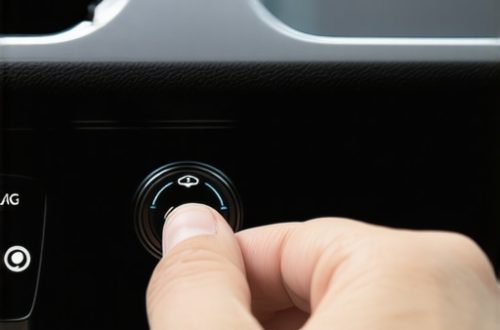
We need to look at the ‘crunch’ sound. In my shop, I see a lot of failed flush-mount handles. These 2026 models use motorized actuators to present the handle to the driver. When the temperature drops during the winter of 2026, moisture gets trapped behind the handle seal. It freezes, creating a physical bond between the door skin and the handle mechanism. If you try to force it, you’ll snap the plastic gear teeth inside the actuator. This is a classic case of material science failing the user. Most of these components are made of high-density polymers or cheap zinc alloys that can’t handle the torque required to break through a sheet of ice. As a master locksmith, I don’t pull on the handle. I diagnose the failure at the source. Is it a dead 12V battery, or is it a mechanical freeze-up? If the key fob is unresponsive and the transponder chip key cloning 2026 process was done poorly by some mall kiosk, the car’s rolling code won’t sync, leaving the security system in a ‘hard lockout’ state. This is where the forensic approach saves the day. We look for the emergency physical override—usually hidden behind a small plastic cap on the driver’s side—and we use a Lishi pick to read the wafers without ever scratching the finish.
Fix 1: The Lishi Precision Bypass for Emergency Blades
The first fix is the most traditional but requires the highest skill level. Every 2026 EV still has a physical lock cylinder hidden somewhere, mandated for safety. The problem is that these cylinders are often neglected and full of road salt. I tell people all the time: lock maintenance tips for winter 2026 start with a dry PTFE lubricant. Never use WD-40 or graphite in these high-tolerance EV cylinders. Graphite gunk’s up the sidebar mechanisms, and WD-40 attracts the very dust that will jam your wafers. To perform a clean entry, we use a Lishi 2-in-1 tool. This tool allows us to pick each wafer individually while reading the depths. By understanding the physics of the spring tension on each pin, we can bypass the lock without any damage. This is how to extract a broken key from a lock safely if the customer already tried to force it and snapped the emergency blade off in the hole. We use a spiral extractor to grab the brass or stainless steel fragment, pulling it out along the shear line. Once the cylinder is clear, we decode the lock and cut a new emergency blade on the spot using a high-precision CNC key cutter.
“High-security cylinders must resist 800 foot-pounds of torque to meet Grade 1 standards.” – ANSI/BHMA A156.5
Fix 2: The 12V Power Injection (The Electronic Handshake)
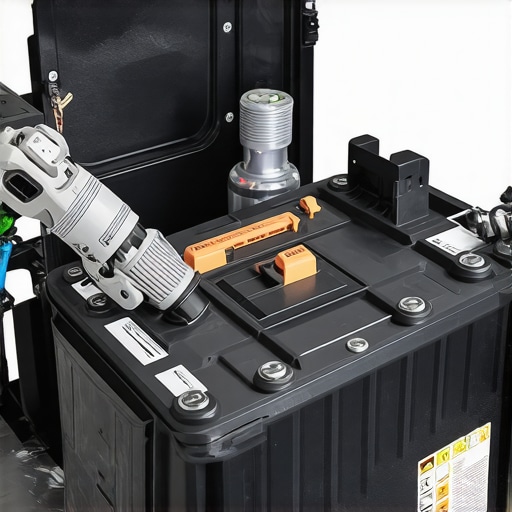
Many 2026 EV lockouts aren’t mechanical failures; they are power failures. If the 12V battery—the one that runs the computers, not the one that moves the wheels—drops below 9 volts, the door actuators won’t fire. You can click your fob all day, but the solenoid doesn’t have the amperage to pull the latch. The ‘scammer’ approach is to use an air wedge and a long reach tool to pull the internal handle. On a 2026 EV, that’s a disaster. These cars have curtain airbags and touch-sensitive interior panels. One slip and you’ve deployed an airbag or cracked a $2,000 screen. The professional fix involves the 12V power jump. Most modern EVs have a ‘secret’ jump post accessible from the exterior, often behind a trim piece or near the license plate light. By injecting a clean, regulated 12V signal, we wake up the ECU. Once the car has power, the transponder chip key cloning 2026 logic kicks back in, the rolling code validates, and the door handles pop out. This protects the main high-voltage battery pack from being drained by a car that’s stuck in an ‘alert’ loop during a lockout.
Fix 3: Transponder Resync and Mobile Fob Replacement
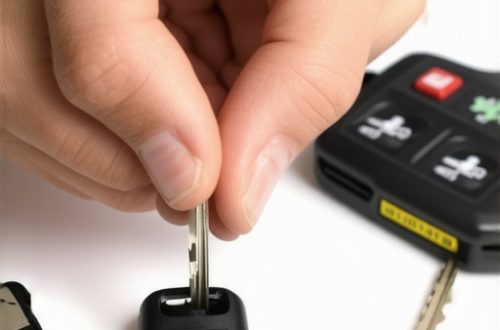
If the mechanical lock works and the power is good, but the car won’t recognize the key, you’re dealing with a digital de-sync. This happens often with integrated home security lock bundles where the car is part of a smart home ecosystem. A software update at 2 AM can sometimes de-authorize the local key cache. To fix this, we use an OBD-II diagnostic tool to perform a ‘handshake’ between the car’s immobilizer and the key fob. We don’t just ‘copy’ a key; we program a unique ID into the car’s memory. For those worried about EV car key fob replacement costs 2026, the dealership will always be the most expensive route, often charging for a tow and two hours of labor. A mobile locksmith services for lost car keys provider carries the same diagnostic hardware. We can perform transponder chip key cloning 2026 on-site, ensuring the new key has the correct rolling code frequency to bypass the 128-bit encryption. This is especially vital for lost wallet key replacement fast, where you need to get back on the road without waiting three days for a part from the manufacturer. We also handle commercial mailbox lock repairs and other hardware needs while we are there, but the priority is always the high-tech entry.
The Scammer Warning: Protect Your Investment
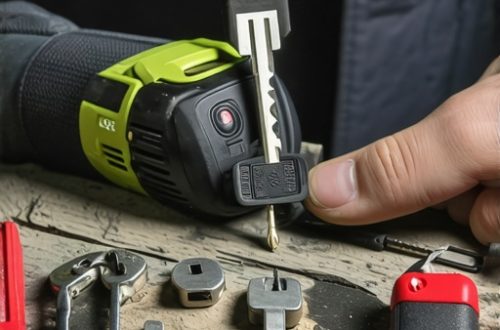
Don’t be a mark for the ‘$29 service call’ bait-and-switch. These guys show up, tell you your 2026 EV is ‘too advanced’ to pick, and immediately reach for a drill. Once they drill that cylinder, they’ve ruined the security of the vehicle and likely damaged the wiring harness behind the door card. A real locksmith for smart home ecosystems and modern vehicles will have a physical shop, a license, and tools that cost more than the scammer’s car. We use physics and logic, not hammers and drills. If someone mentions ‘drilling the lock’ on a car made after 2020, send them packing. They don’t understand the integrated security lock bundles that modern cars utilize. Real security involves trust and technical expertise, not just metal-on-metal violence. For your winter 2026 lock maintenance, stick to synthetic lubricants and keep your fobs away from extreme cold. If you find yourself in a bind, remember that a professional mobile locksmith is your best bet for a non-destructive entry that keeps your warranty intact and your battery protected.