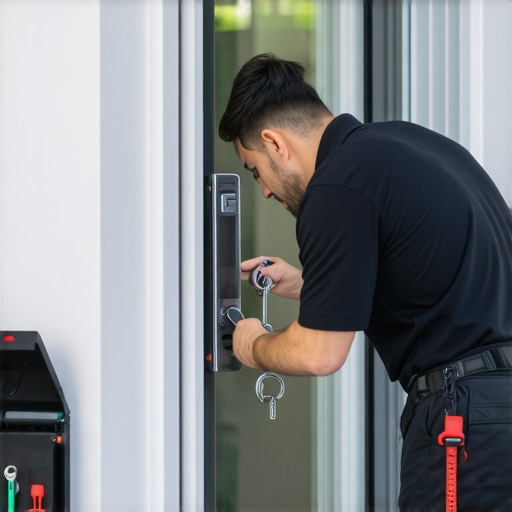
It was a cold, rainy evening when I stood stranded outside my own car, fumbling with tangled keys I couldn’t find. The frustration hit hard—just a moment of distraction had turned into an unexpected auto lockout nightmare. That lightbulb moment made me realize how vital quick, reliable solutions are when you’re locked out or worried about your home’s security. Since then, I’ve made it my mission to understand and share the best strategies, especially with the evolving landscape of security in 2024.
Getting Locked Out Is More Common Than You Think
Many of us have experienced that sinking feeling—locking ourselves out of a vehicle or home. It’s more than just inconvenient; it can be dangerous, especially during extreme weather or late at night. Early in my locksmith journey, I made a mistake that many beginners do: I underestimated the importance of having a reliable auto lockout plan. Relying solely on old techniques often prolongs the ordeal and can even cause damage to locks and deadbolts.
Did you know that according to the U.S. Fire Administration, accidental lockouts and security breaches contribute significantly to homeowner safety concerns? Being prepared is crucial. That’s why understanding modern lock systems and quick-access solutions isn’t just smart—it’s essential for peace of mind and safety.
Today, I promise to walk you through practical, effective tactics that can help prevent lockouts and strengthen your deadbolt defenses. Whether you’re a homeowner, business owner, or just someone who wants to be prepared, this guide will empower you to act confidently when seconds count.
Is Upgrading Your Locks Really Worth All the Hype?
Initially, I thought investing in high-end lock systems was overkill. I believed my simple deadbolt was enough. But I learned the hard way that choosing the right lock not only saves time and money but also significantly enhances security. For instance, I once installed a compromise-grade lock that was surprisingly easy to pick—something I only discovered after a minor break-in attempt. Now, I always recommend trusted solutions like those found in our guide on auto lockout and deadbolt tips for ultimate security.
Thinking about upgrading your deadbolt? It’s worth exploring innovative options and professional recommendations to ensure your property’s safety. Stay tuned, because the next sections will offer step-by-step options to avoid lockouts and choose the most secure systems for your needs.
Choose the Right Lock System for Your Needs
Assess your property’s security requirements and select a reliable lock system. Focus on commercial-grade deadbolts that resist picking and forced entry. For guidance, visit our top commercial lock tips to ensure you’re investing in proven solutions. When I upgraded my office locks, I opted for a high-security system after consulting this resource, which significantly improved my business security.
Match Locks to Your Business Profile
If your business handles sensitive data, prioritize electronic or smart deadbolts that offer audit trails and remote access. These systems enable quick unlocking in emergencies and monitor entry activity, reducing the risk of unauthorized access. I installed a smart lock at my storefront, which, combined with a reliable deadbolt system, allowed me to control access remotely and review entry logs — a game-changer during busy hours.
Implement an Auto Lockout Prevention Strategy
Establish protocols to avoid locking yourself out. Keep spare keys in secure, accessible locations or use keyless entry systems. Consider installing a backup access solution such as keypad locks or biometric scanners. In my experience, maintaining a designated lockbox with spare keys and instructing staff on its location prevented nightly lockouts during peak hours.
Automate and Integrate Security Measures
Leverage automation for lock management. Smart locks linked with security systems can be scheduled to lock at specific times, reducing human error. For example, integrating a smart deadbolt with your alarm system provides seamless security and immediate response in emergencies. I integrated these features at my warehouse, which minimized accidental lockouts and enhanced safety during after-hours.
Regular Maintenance and Upgrades
Schedule periodic inspections of your deadbolt and lock systems. Replace worn or compromised components promptly. Staying current with the latest security innovations, like multi-point locking mechanisms, ensures your defense remains robust. I learned this lesson after a lock failure caused a costly delay; now I follow a strict maintenance routine inspired by recommendations from trusted locksmith services.
Training Staff for Emergency Response
Educate your team on proper lock operation and emergency procedures. Train them to recognize signs of lock failure and to utilize backup entry methods. During a recent incident, quick staff action based on prior training prevented a security breach, highlighting the importance of preparedness. Refer to our auto lockout tips for ongoing staff readiness.
Many assume that buying the most expensive deadbolt guarantees maximum security, but in reality, the nuances of lock quality and installation are far more complex. Sometimes, a budget-friendly lock, if properly selected and professionally installed, can outperform pricier counterparts. The common myth that higher price equals better security overlooks critical factors like pick resistance, drill resistance, and the quality of internal components, which vary significantly among brands. An often-overlooked detail is the importance of proper installation; even the best lock can be compromised if not installed correctly, exposing your property to vulnerabilities. For example, inadequate aligning or inferior mounting hardware can create weak points, rendering high-grade locks ineffective. When planning your security upgrades, focus on *trusted solutions* and consult expert advice on the best commercial lock systems for 2024. This targeted approach ensures your investment genuinely enhances your property’s defense.
Another misconception involves auto lockout scenarios. Many see auto lockout prevention purely as a matter of spare keys or keypad locks, but smart integration brings a deeper level of security. For instance, smart deadbolts linked with alarm systems or surveillance footage can alert you immediately of unauthorized access attempts, providing a layer of real-time response. This advanced setup is often misunderstood as overly complex and costly, yet the benefits—such as remote control and activity logs—can be invaluable. To explore which automated security features fit your needs, check out top solutions for auto lockout protections.
Do you know the critical distinction between lock grades and their actual performance in real-world scenarios? Many believe that all deadbolts are created equal, but studies reveal that Grade 1 locks outperform Grade 2 or 3 in resisting forced entry, especially against common attacks like kick-ins or prying. Confusing these grades can lead to underwhelming security investments. Experts suggest focusing on the specific attack-resistance features and certification tests of each lock, rather than just brand reputation or price. For an in-depth look into selecting the *right lock grade for your business*, visit our dedicated guide to reliable deadbolt systems.
Have you ever fallen into this trap? Let me know in the comments. Remember, understanding these nuances not only avoids costly mistakes but also empowers you to make informed decisions—crucial for maintaining robust security in today’s evolving landscape.
How Do I Keep My Lock Systems Running Smoothly Over Time
Maintaining your lock systems is essential to ensure long-term security and functionality. I personally rely on a combination of routine inspections and specialized tools to catch potential issues early. For instance, I regularly inspect deadbolts for signs of wear, rust, or misalignment, which can compromise security. Using a high-quality lubricant like graphite powder, rather than oil-based lubricants, reduces dirt buildup inside mechanisms and keeps the lock operating smoothly. Applying lubricant annually, especially before winter, prevents freezing and sticking issues that are common in colder climates. Additionally, I recommend using a digital multimeter to test electrical components in smart locks periodically. Checking voltage levels helps you verify that electronic locks are receiving proper power, avoiding unexpected failures.
Integrating a professional-grade maintenance schedule can significantly extend the lifespan of your lock systems and reduce costly emergency repairs. For commercial setups, I always ensure that locks are inspected monthly and that all mechanical parts are lubricated and tested systematically. This proactive approach has saved me from unexpected lockouts and security breaches. Remember, neglecting routine maintenance can lead to lock failure, potentially compromising your property’s safety.
As technology advances, I believe the trend is moving toward smart lock systems with self-diagnostic capabilities. Future models may even alert you directly when maintenance is needed, much like a car’s warning system. In the meantime, establishing a regular maintenance routine using proven tools is your best defense.
What Are the Best Tools for Lock Maintenance and Troubleshooting
For hands-on maintenance, I recommend investing in a high-quality lock cylinder pick set for troubleshooting stubborn locks—this allows you to carefully realign internal pins without damage. A precision screwdriver set is indispensable for disassembling smart locks or deadbolt covers to inspect internal components. For electrical components, a multimeter is critical; I use mine to verify that voltage levels are optimal, which helps prevent false failures or miscommunications in electronic locks.
The use of a borescope camera is a game-changer. It enables visual inspection of internal mechanisms without full disassembly, saving time and preventing unnecessary damage. I’ve found that detecting rust or debris in the lock chamber early thanks to a borescope helps me plan targeted cleaning and lubrication. When selecting tools, focus on quality brands like Xcelite or Fluke, known for their durability and precision.
Another modern tool I’ve adopted is software for managing digital lock access logs—especially useful for businesses to track staff entry and exit. Some systems come with diagnostic apps that can flag irregular activity or hardware issues automatically.
In practice, combining manual tools like pick sets and screwdrivers with digital diagnostics provides a comprehensive maintenance approach. These measures are critical for ensuring your locks function correctly over the long haul and adapt to evolving technology. For example, I regularly update firmware on electronic locks using manufacturer apps, which can include security patches and performance improvements. Staying ahead of potential issues with these tools not only saves money but also keeps your property secure.
Looking ahead, I predict that advanced diagnostic tools integrated directly into lock hardware will become standard, providing real-time health reports and predictive maintenance alerts. Until then, leveraging current high-precision tools is your best bet for reliable security.
Try out a borescope inspection this month to spot internal issues early—it’s an efficient way to extend your lock system’s lifespan and avoid unexpected lockouts. For a detailed guide on implementing routine maintenance with these tools, visit our trusted resource on deadbolt system upkeep regularly.
What I Wish I Knew When Starting Out in Commercial Locksmithing
One of the toughest lessons I learned early on was the importance of not underestimating the complexity of high-security deadbolt systems. I once chose a lock solely based on price, only to find it was surprisingly easy for determined intruders to compromise, highlighting the necessity of trusted brands and proper installation. Additionally, I realized that regular training and staying updated on the latest lock technologies are vital—what seemed secure five years ago can become outdated quickly. Lastly, I found that having reliable backup plans for auto lockout situations, such as keyless entry options, can save the day unexpectedly, especially in busy business environments.
My Go-To Resources for Mastering Commercial Lock Security
Over the years, I’ve relied heavily on resources that have consistently guided me toward better security solutions. The comprehensive guides on top commercial lock systems have been instrumental in understanding the latest industry standards. I also trust the insights provided by trusted locksmith services at trusted professionals who share real-world experiences. For hands-on troubleshooting, quality tools like precision screwdrivers and inspection cameras from reputable brands like Fluke and Xcelite have been game-changers. These resources collectively help me deliver dependable security advice and services to my clients.
Being Proactive: The Mindset That Keeps Security Strong
Every time I see a failed lock or an overlooked maintenance issue, I remind myself that proactive care isn’t just about fixing problems—it’s about preventing them. The future of commercial security lies in integrating smart technology that offers real-time diagnostics and maintenance alerts. But even today, establishing a consistent inspection routine and educating staff about proper lock operation can make all the difference. My encouragement to you is to stay curious, invest in quality solutions, and view each challenge as an opportunity to refine your security strategy. Remember, your proactive choices now will pave the way for peace of mind tomorrow.



![How to Cut 2026 EV Key Fob Replacement Costs by 50% [Data]](https://prolocksmithco.com/wp-content/uploads/2026/04/How-to-Cut-2026-EV-Key-Fob-Replacement-Costs-by-50-Data-500x330.jpeg)