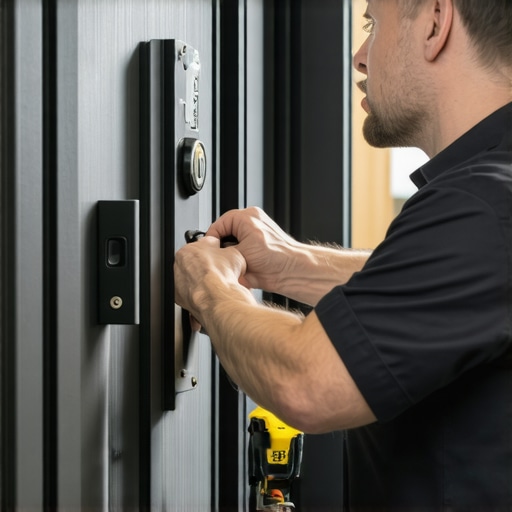
It was one of those mornings when everything’s supposed to go smoothly. I arrived at a local business to find the owner frantically trying to open the door—pockets emptied, keys nowhere in sight, and that sinking feeling settling in. We’ve all been there: locked out when you least expect it, especially during crucial business hours. That moment of helplessness hits hard, and it’s a stark reminder of how vital reliable lock and security systems are for any business owner.
Why Lockouts Can Hit Your Business Harder Than You Think
Lockouts aren’t just an inconvenience—they can translate into lost revenue, compromised security, and even damage to your reputation. Think about it: a delayed opening affects your staff, frustrates customers, and might leave your establishment vulnerable. I learned this lesson early in my career when a simple lost key turned into a three-hour ordeal, leaving my client exposed and annoyed.
Knowing how to prevent these situations isn’t just smart; it’s essential. And that’s exactly what I want to share with you today—practical, expert-approved tips that will help you avoid lockouts and enhance your security infrastructure.
Is DIY Deadbolt Installation Really Worth the Risk?
Many business owners consider taking on their own lock upgrades or repairs to save money, but trust me, this can backfire spectacularly. Early on, I made the mistake of installing a deadbolt myself without fully understanding the nuances of proper alignment and strike plate placement. Not only did it compromise security, but it also made future lockouts more likely.
For reliable solutions, it’s best to consult certified professionals. Need guidance? Check out our comprehensive guide on effective commercial deadbolt lock systems to understand what works best for your type of business.
By understanding common pitfalls and investing in expert advice, you can safeguard your business against both accidental lockouts and external threats. Ready to discover the top strategies that will keep your doors secure and accessible? Let’s dive into proven methods to stay ahead of potential lock and security issues.
Install a High-Quality Deadbolt System
Begin by upgrading your locks with reliable deadbolt systems. During my first commercial installation, I chose a system recommended by industry experts. I carefully measured and aligned the strike plates to ensure proper engagement, preventing common misalignments that cause lockouts. Think of a deadbolt as a strong fortress wall—accurate installation is your best defense against accidental lockouts and intruders.
Select the Right Deadbolt for Your Business
Choose deadbolts that are rated for commercial use and meet ANSI Grade 1 standards. These locks are built for durability and security, reducing the risk of failure. Consider models with anti-drill features and reinforced strike plates; they’re like armored doors that stand up to plenty of daily use and possible force.
Implement an Access Control System
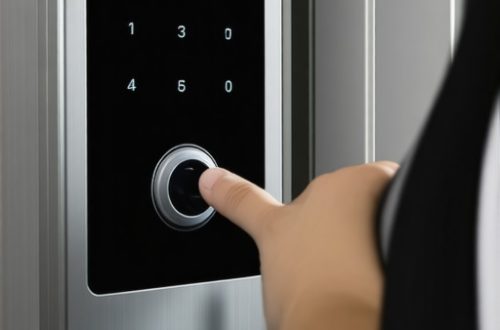
Move beyond traditional keys by installing electronic access controls. I once integrated a keypad lock for a retail store, which allowed employees swift entry without worrying about lost keys. Using electronic systems is like giving each staff member a digital badge—assigning codes that can be changed instantly if needed. This method drastically reduces lockout risks and improves security management.
Set Up Time-Restricted Access
Many advanced electronic locks let you customize access hours. For example, you can disable entry after business hours or grant temporary access to contractors. It’s akin to making your door a VIP club—only certain people get in at specific times, minimizing chances of unauthorized entry or lockouts during off-hours.
Maintain Regular Lock and Security Checks
Consistency in inspection keeps your security system in top shape. I scheduled quarterly reviews of all locks, lubricating mechanisms, and verifying electronic controls. Think of your locks as the backbone of your security—if neglected, they weaken and increase lockout chances or compromise your safety. Use professional locksmith services for periodic tune-ups, ensuring everything functions flawlessly.
Train Staff on Proper Lock Usage
Educate your team about not forcing locks and reporting issues immediately. I once coached staff to avoid using makeshift tools, which prevented further damage and costly replacements. Your staff is your front line—empower them with knowledge to prevent minor issues from escalating into lockouts.
Prepare for Emergency Lockouts
Always have a plan in place. I recommend keeping a set of master keys with trusted personnel and publishing a clear protocol for access issues. Additionally, establish a relationship with a reliable locksmith who can assist quickly during emergencies, minimizing downtime and security risks.
Leverage Smart Lock Technology
Finally, consider integrating smart locks compatible with your security ecosystem. They allow remote access and real-time monitoring, reducing the chances of lockouts. Think of smart locks as your business’s digital sentries—they keep your doors secure and accessible at all times, even when you’re not physically present.
Many believe that the primary cause of auto lockouts is user error, like losing keys or forgetting codes. However, as an industry expert, I can tell you there’s often a deeper, less obvious factor at play: the misconception that standard locks are sufficient for comprehensive security. In reality, most commercial deadbolt systems are vulnerable to advanced lockpicking or forced entry if not properly selected and installed. One common myth is that expensive locks automatically mean better security, but without understanding the lock’s specific Grade ratings or resistance features, you’re simply assuming. Moreover, a frequent mistake is neglecting the detailed nuances of electronic access controls, which require careful configuration to prevent vulnerabilities such as default codes or system glitches. For instance, relying solely on traditional key-based systems can lead to lockout situations, especially during emergencies, because they lack the flexibility of programmable access. Advanced professionals recognize that the true challenge lies in integrating layered security—combining high-grade deadbolts with smart access systems—without creating compatibility or usability issues. According to security expert Bruce Schneier, “security is not about having the most expensive lock, but about understanding and managing the system’s complexities.” So, what most people overlook is that locks are parts of broader security ecosystems; neglecting the fine details in design, installation, and maintenance can critically weaken your defenses. Don’t fall into these traps—know the intricacies of your lock systems to protect your business effectively. Have you ever fallen into this trap? Let me know in the comments.
Tools I Recommend for Optimal Lock Management
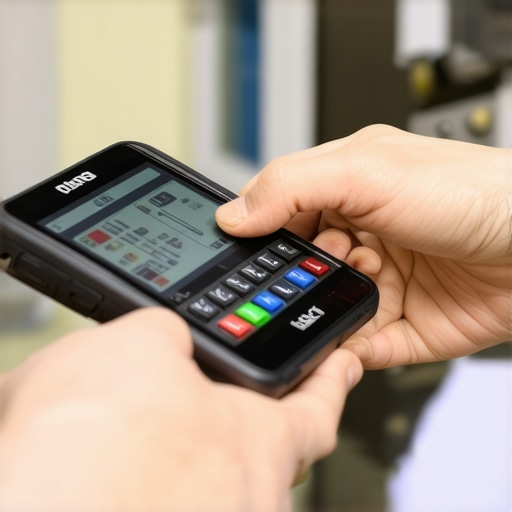
Ensuring your security systems remain functional over time requires not just quality hardware but also the right tools for maintenance and troubleshooting. I personally rely on a combination of professional-grade instruments and digital solutions to keep any commercial deadbolt and lock system in top shape. One of my go-to physical tools is the Hoblitt Key Decoder. This device allows me to quickly analyze lock cylinders on-site, saving time during routine inspections or emergency repairs. Its precision and ease of use make it indispensable, especially when handling high-security systems where quick identification of faults is crucial.
Additionally, I frequently utilize software-based lock management platforms that provide a centralized dashboard for monitoring electronic access systems. These platforms enable real-time status checks, firmware updates, and audit trail reviews, which are vital in preempting lockouts or system failures. Integrating such digital tools into routine maintenance ensures that minor issues are caught early, preventing costly disruptions.
For physical maintenance, I recommend carrying a high-quality lock lubricant like Graphite Powder or Teflon-based sprays. Regular application reduces wear and prevents sticking, especially in high-traffic commercial settings. Remember, a well-lubricated lock extends its lifespan and decreases the chances of unexpected lockouts.
How do I keep my lock systems functioning smoothly over time?
Implementing a scheduled maintenance routine is key. This involves periodic inspections, cleaning, and lubrication, alongside firmware updates for electronic systems. Employing professional tools, such as specialized decoders and management software, dramatically increases the reliability of security infrastructure. Embracing these practices is an investment in your business’s safety—don’t overlook the importance of proactive upkeep.
Looking ahead, I believe that the trend will shift increasingly towards integrated, smart lock systems equipped with predictive diagnostics. These will alert you before failures happen, essentially allowing you to fix issues during regular maintenance, not at critical moments. To get ahead of this curve, try incorporating smart lock diagnostics in your routine checks today—it’s a game-changer for long-term security.
Three Lessons That Changed My Approach to Lock and Security Systems
One of the toughest lessons I learned was the importance of detailed installation. Skipping careful measurement led to frequent lockouts early in my career, teaching me that precision saves time and frustration. Another revelation was understanding that high security isn’t just about costs but about matching the right system to your specific business needs—assessing risk and choosing wisely makes all the difference. Lastly, I discovered that ongoing maintenance and staff training are often overlooked but crucial; neglecting these can turn the best lock system into a liability. These insights have helped me implement solutions that genuinely protect and serve businesses rather than complicate them.
My Top Resources for Mastering Commercial Lock Security
First, I rely on industry-leading technical guides that detail the nuances of deadbolt systems for different business types—these are invaluable for making informed decisions. Second, expert blog posts provide ongoing updates and practical tips that keep me at the forefront of security trends. Third, I trust professional tools like cutting-edge lock analyzers that streamline diagnostics and maintenance. Combining these resources helps me deliver top-tier security advice and solutions to clients, ensuring their investments are well-protected.
Take Charge and Fortify Your Business Doors Today
Every business owner deserves confidence in their security systems, knowing they’re well-protected against lockouts and intrusions. Embracing proactive strategies, expert guidance, and reliable tools can transform your approach from reactive to resilient. Don’t wait for a lockout to remind you of your vulnerabilities—act now to strengthen your defenses. Remember, the effort you put in today sets the foundation for a safer, more secure tomorrow. Let’s make your security system a true fortress—your business’s peace of mind depends on it.



Reading this post really resonated with my own experiences managing commercial properties. Lockouts are such a headache, especially during busy hours or emergencies. I completely agree that relying solely on traditional locks can be risky if not properly maintained or if staff aren’t trained well. We recently upgraded our doors with electronic keypad locks that offer time-restricted access for maintenance staff, which has significantly minimized lockout incidents. Keeping staff educated about proper lock use and scheduling regular maintenance sessions has also helped us avoid costly repairs and security lapses.
I’m curious, has anyone here tried integrating smart lock systems with existing access controls? How seamless was the transition, and did you face any compatibility issues? As technology advances, I think more businesses will benefit from smart solutions that can monitor and alert on potential lock issues proactively.
This post really hits home for me. I’ve often seen small businesses struggle with lockout problems simply because they stick to traditional key-based systems without considering electronic or smart lock options. Upgrading to digital access control can be a game-changer, especially for handling shift changes or emergency access—no more hunting for lost keys or giving out master keys that pose security risks. I personally implemented a keypad system for my retail stores, and it’s been smooth sailing, with the ability to change codes instantly without fuss.
What interests me most is the potential for integrating smart lock systems with broader security platforms. Has anyone faced compatibility issues or needed specific infrastructure upgrades? Also, I wonder about the long-term cost savings—less downtime, fewer lockouts, and reduced hardware failures. It seems like a worthwhile investment for proactive security. Would love to hear from others who’ve made similar transitions and their experiences.