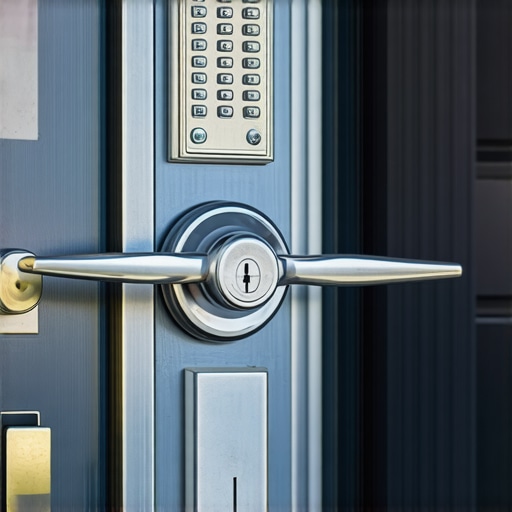
I remember the moment clearly. It was late at night, and I was just about to head home after a long day when I realized I had locked myself out of my office. The frustration was real. That tiny moment of panic made me realize how crucial reliable security really is. Over the years, I’ve learned that choosing the right deadbolt and commercial lock systems isn’t just about keeping intruders out; it’s about peace of mind. If you’ve ever experienced a lockout or worried about your business’s security, you’re not alone. Today, I want to share my journey and how you can avoid the same mistakes I made early on, especially when it comes to selecting the best solutions for your needs.
Why Upgrading Your Lock System Is a Game-Changer
In my experience, the biggest mistake people make is sticking with outdated or cheap locks that can easily be compromised. It’s tempting to cut corners, especially for small businesses on a budget. But that short-term saving can lead to long-term headaches—break-ins, lockouts, or worse. Modern deadbolt and commercial lock systems have evolved dramatically, offering better security features, smarter access options, and quicker emergency responses. Trust me, investing in high-quality locks is one of the best decisions you can make for your business’s safety. And if you’re unsure where to start, I highly recommend exploring reliable deadbolt lockout solutions that are designed for both security and convenience.
Is All the Buzz About Security Systems Overhyped?
Early in my career, I bought a cheap lock just because it seemed good enough. It wasn’t. A quick break-in proved that my decision was a costly mistake. Since then, I’ve learned that not all locks are created equal. The real key lies in understanding what makes a deadbolt or a commercial lock system truly secure. Some systems are more resistant to picking, drilling, or bumping. Others come with smart features allowing remote monitoring or keyless entry. It’s easy to fall for marketing hype, but the truth is, the right lock can literally save your business. If you’re skeptical, I get it. I was too—until I saw the difference for myself. For practical, expert advice, check out the trusted tips for deadbolt security.
So, are you facing lockout issues or wondering if your current security measures are enough? Keep reading. I’ll walk you through the step-by-step process to choose, install, and maintain the best deadbolt and commercial lock systems that fit your business needs—so you won’t have to face that panic moment again.
Choose the Right Deadbolt for Your Business
Start by evaluating the level of security needed. For high-traffic areas, opt for commercial-grade deadbolts with reinforced steel and pick-resistant features. I once installed a heavy-duty deadbolt in a retail store, and the owner immediately noticed fewer lockouts and better peace of mind. To find reliable options, visit this trusted guide on deadbolt solutions.
Assess Your Lock System and Identify Vulnerabilities
Take a close look at your existing locks. Are they outdated or easily compromised? Use a flashlight and a thin tool to test for weaknesses. During a recent audit at my office, I discovered a lock that could be bumped open in seconds. Upgrading to bump-proof locks significantly improved security. Consider smart locks with remote access, which allow you to monitor and control access from anywhere. For top auto lockout solutions, check this expert advice.
Install Your Deadbolt Correctly
Proper installation is crucial. Use a sturdy drill and ensure the bolt extends fully into the strike plate. I once rushed a quick installation without aligning the strike well, resulting in a lock that jammed. After redoing it carefully, the lock worked smoothly, and I avoided future lockout calls. Follow manufacturer instructions precisely, and consider professional help if unsure. You can find detailed installation tips at this expert guide.
Implement Emergency Lockout Procedures
Have a plan for lockouts. Keep spare keys in a secure, accessible place or install electronic access systems. I once had a client locked out after a power outage; installing a backup access method prevented future issues. Regularly train staff on how to handle lockouts and when to call a locksmith. For quick auto lockout resolutions, visit this resource.
Maintain and Upgrade Regularly
Routine checks prevent failures. Lubricate locks annually with graphite or silicone spray. I noticed a deadbolt sticking during a routine maintenance, which could have become a lockout hazard. Applying lubricant solved the problem immediately. Stay updated on the latest security features and consider adding electronic or biometric locks for enhanced safety. For ongoing advice, review these maintenance tips.
Many assume that selecting a deadbolt or relying on a locksmith is straightforward, but in reality, there are nuanced pitfalls that even seasoned professionals sometimes overlook. One common misconception is that all deadbolts provide equal security. In truth, the quality and installation of the lock are crucial. For instance, a cheap deadbolt might look sturdy but can be easily bypassed through techniques like drilling or lock bumping. Investing in high-grade, commercial-certified locks is essential, but equally important is ensuring proper installation—misaligned strike plates or shallow boreholes can compromise even the best locks.
Another prevalent myth is that locksmiths can always fix lockout issues instantly without considering the specific type of lock or the lock’s age. Some older or custom locks require specialized tools or techniques, and assuming a quick fix can lead to unnecessary damage or security gaps. When dealing with complex commercial lock systems, understanding the differences between standard locks and electronic or biometric options becomes vital. For example, electronic locks with keypad or biometric access can be vulnerable if not installed properly or if the firmware isn’t kept updated. Regular maintenance and expert consultation are paramount to avoid these hidden vulnerabilities.
Are Digital Locks Truly More Secure Than Mechanical Deadbolts?
This is a question that puzzles many business owners. While digital locks offer convenience and advanced features, such as remote access and audit trails, they are not immune to hacking or technical failures. Skilled intruders can sometimes exploit vulnerabilities in the software or network. A study by cybersecurity expert Bruce Schneier highlights that digital security often depends on the weakest link—poor password practices or outdated firmware can nullify their benefits. Therefore, integrating digital locks with traditional mechanical deadbolts and employing multi-layered security strategies is the best approach. Regularly updating firmware, using strong access codes, and keeping physical backup keys secure can prevent costly lockouts and security breaches.
In my experience, the real mistake is underestimating the importance of routine maintenance and expert guidance. Overlooking these details can turn a simple lockout into a significant security incident. Have you ever fallen into this trap? Let me know in the comments.
Maintaining your deadbolt and lock systems is crucial not just for immediate security, but for ensuring they continue to perform reliably over years of use. From my experience, the most effective way to keep your locks working smoothly is through a combination of regular inspection, proper lubrication, and timely upgrades. I personally rely on using graphite powder for lubrication because it doesn’t attract dust and dirt like oil-based lubricants, which can cause buildup and eventual jamming. Applying lubricant annually to the bolt and internal mechanisms prevents sticking and jamming, especially in environments with fluctuating temperatures that can cause metal expansion or contraction.
Another tip I swear by is to periodically test your locks by gently manipulating the key and handle to detect any looseness or resistance. If you notice any irregularities, it’s better to address these issues early rather than waiting for a lockout or breach. For high-traffic commercial spaces, consider scheduling professional lock maintenance visits every six months. This proactive approach helps catch wear and tear before it becomes a security vulnerability.
In addition to manual checks, I recommend investing in electronic monitoring systems if your budget allows. These systems can send alerts when a lock is tampered with or if there is a malfunction. As technology evolves, the trend is moving toward smart locks that integrate with your business’s security network, allowing remote access and real-time status updates. However, it’s essential to keep firmware updated and use strong passwords to prevent hacking—a topic I explore in detail in my trusted locksmith guide.
Looking ahead, I believe that the future of lock maintenance will lean heavily on AI-powered diagnostics and predictive analytics, which will alert you before a lock fails or becomes compromised. This technology phase will make security management nearly foolproof, especially for busy commercial environments. So, I encourage you to try implementing a regular lubrication routine combined with smart monitoring—these simple steps now can save you significant costs and headaches later.
How do I maintain my deadbolt and lock systems over time?
The best way to ensure long-term operation is consistent maintenance—clean, lubricate, and periodically upgrade your hardware. Consulting with professionals for an annual check-up can identify potential issues early. Remember, even the best lock can fail if neglected, so proactive care is key to sustained security. For expert tips and tailored solutions, consider visiting this trusted resource. Don’t forget, staying ahead with regular maintenance is your best defense against lockouts and security breaches—try it today to safeguard your business for the future.
Lessons I Didn’t Expect to Learn About Deadbolt Security
- One of the biggest revelations was realizing that even high-quality deadbolts can be rendered useless if not installed properly. It’s not just about choosing the right lock, but ensuring it’s fitted with precision. I once rushed an installation, and it cost me dearly when a lock jammed during a critical moment.
- I learned the hard way that digital locks, while convenient, introduce new vulnerabilities. Regular firmware updates and strong passwords are essential, but many overlook this, leaving doors open to hacking. Combining mechanical and electronic security layers has been a game-changer.
- Routine maintenance isn’t just a chore; it’s a safeguard. Simple steps like lubricating the bolt with graphite powder annually can prevent unexpected lockouts. Overlooking regular checks almost cost me a major business day once, emphasizing the importance of proactive care.
My Go-To Resources That Keep My Security Smarter
- Trusted Lock Maintenance Tips: I swear by this resource for regular checklists that keep my locks in top shape.
- Expert Locksmith Guides: This guide has helped me understand advanced lock systems and when to upgrade for maximum security.
- Smart Lock Monitoring Tools: Investing in electronic monitoring was a leap, but this tool has given me peace of mind with real-time alerts.
Keep Moving Forward: Your Security Journey Starts Now
Don’t let lockouts or security doubts hold your business back. Embrace continuous learning and proactive maintenance, and you’ll build a fortress that’s tough to breach. Remember, the future of deadbolt security is bright with technology, but it requires your attention and care. Take that first step today, and secure your peace of mind for tomorrow.
What’s the biggest challenge you’ve faced with your current lock system? Share your story below—I’d love to hear it and help you find the right solution.


![5 Modern Access Control Fixes for Co-Working Spaces [2026]](https://prolocksmithco.com/wp-content/uploads/2026/02/5-Modern-Access-Control-Fixes-for-Co-Working-Spaces-2026-500x330.jpeg)
Reading this post really resonated with me, especially the part about proper installation and routine maintenance. I once overlooked the importance of professional installation and ended up with a lock that jammed during an emergency, causing unnecessary panic. Since then, I’ve learned that investing in a skilled locksmith to ensure precise fitting pays off in long-term security and peace of mind. The tip about using graphite powder for lubrication is something I’ve incorporated into my regular maintenance routine, and it has noticeably prevented sticking issues, especially in our fluctuating climate here in Denver. One thing I wonder about is the integration of smart locks—do you think they are truly reliable for high-security areas, or should they be reserved for less critical access points? I’m curious how other business owners have balanced convenience with enhanced digital security, and if they’ve had good experiences with local providers.