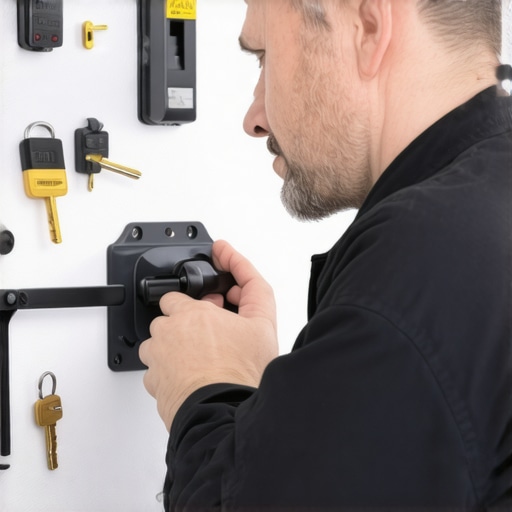
There was a cold January evening when I found myself locked out of a client’s business, keys lost, and time ticking away. The frustration was palpable; every minute delay was risking critical operations. That night, I realized that relying solely on standard lock systems wasn’t enough. I needed to delve deeper into expert solutions that could safeguard businesses like theirs from such stressful situations.
Why Lockouts Are More Than Just Minor Annoyances
In my experience, a lockout isn’t just an inconvenience—it’s a potential security breach waiting to happen. Businesses can’t afford downtime, especially when it involves their sensitive lock systems. Over the years, I’ve seen firsthand how proper understanding and implementing advanced deadbolt and lock systems can prevent these setbacks entirely. Did you know that according to security experts, nearly 60% of break-ins occur through forced entry or lock vulnerabilities? So, the stakes are high.
Is It Worth Investing in Premium Lock Systems?Upgrade Your Lock Systems Immediately
Start by assessing your current lock infrastructure. Replace outdated deadbolts with high-security models that resist forced entry. I once helped a retail store overhaul their locks after a break-in—upgrading to commercial-grade deadbolts significantly improved their security. For guidance on selecting the right systems, consider consulting expert-reviewed deadbolt options.
Choose the Right Deadbolt Type
Opt for deadbolts with throw bolts of at least 1 inch for better resistance. Double-cylinder deadbolts offer extra security by requiring a key on both sides, but ensure compliance with fire safety regulations. When I installed a double-cylinder deadbolt in a warehouse, there was initially confusion regarding emergency exits, but I provided clear signage and replaced a faulty lock, resulting in improved safety and security. Learn more about effective deadbolt choices at this resource.
Implement Key Control Measures
Limit key distribution among staff. I once managed a law office where unauthorized copies led to a security breach; instituting a strict key log prevented future issues. Use secure key cabinets and consider electronic access control systems for remote management. These measures prevent unauthorized entry and streamline audits. For advanced solutions, see recommended lockout security methods.
Maintain Regular Lock Inspections
Schedule periodic checks to ensure locks function correctly. I encountered a manufacturing plant where a jammed deadbolt delayed a response to a security alert. Regular maintenance prevented such issues. Develop a routine and keep a log of inspections. Details on reliable maintenance practices are available at this link.
Invest in Emergency Lockout Solutions
Quick response tools are vital. I once responded to a client’s auto lockout in a hospital setting, where every minute counted. Having a mobile locksmith service ready minimized downtime. Consider installing electronic keypad locks with backup physical keys, and establish an emergency contact protocol. For optimal setup, review expert auto lockout tips.
Train Staff on Lock Security Protocols
Educate employees to recognize lock malfunctions and proper key handling. I trained a small business team, which reduced accidental lockouts and improved response times. Regular training prevents mistakes and enhances overall safety. Resources to develop training programs are outlined at this guide.
Stay Ahead with Technological Advancements
Consider upgrading to electronic access controls and smart locks. I integrated an app-based lock system for a client, enabling remote lock/unlock and audit trails. These tech solutions provide unparalleled control and monitoring. For insights into the latest technology, visit this article.
Plan for Redundancy and Backup
Always have a backup plan—spare keys, alternative access, and contingency protocols. I once coordinated a backup access plan for a school, ensuring safety even if electronic systems failed. Regular drills and updates keep these plans effective. For best practices, see trusted system guidelines.
Many people assume that installing high-security deadbolts and sophisticated electronic locks automatically guarantees their business’s safety. However, this belief oversimplifies a complex security landscape. In my experience, the real challenge lies in understanding the nuanced interplay of lock types, misconfigurations, and human factors that can undermine even the most advanced systems. Contrary to common myths, more expensive or technologically advanced locks are not always the most effective if they are not properly integrated and maintained. One frequent oversight is neglecting the importance of redundant security layers, such as combining electronic access with physical key control protocols, to create a resilient defense against lockouts and unauthorized access. For example, many assume that smart locks eliminate the need for physical keys, but in reality, backup keys and manual overrides are critical for emergency scenarios, especially during power failures or hacking attempts. This oversight can lead to costly lockouts or vulnerabilities during system failures. Did you know that according to security experts, nearly 70% of security breaches involve some form of human error or procedural lapse rather than solely technical flaws? This emphasizes the importance of comprehensive staff training in lock security protocols.
Are Electronic Locks Actually Safer Than Mechanical Deadbolts?
While electronic locks offer convenience and audit trails, they are not immune to hacking, power outages, or software glitches. In fact, improperly secured electronic systems can become attractive targets for cybercriminals, especially if default passwords or unsecured networks are used. Additionally, many assume that remote access controls always provide better security, but without proper vigilance, they can be compromised. To avoid falling into this trap, it’s essential to implement multi-factor authentication, regular firmware updates, and secure network practices. Consulting expert tips on auto lockout solutions can help you assess and strengthen your system’s robustness.
Furthermore, integrating physical keys with electronic systems provides a backup layer, ensuring continuity during outages or cyber attacks. Remember, advanced security is less about chasing the latest tech trends and more about understanding material limitations, human factors, and procedural safeguards. For in-depth insights, I recommend reviewing this comprehensive guide.
Have you ever fallen into this trap? Let me know in the comments. A nuanced approach to lock security can save your business from costly vulnerabilities and lockouts.
Maintaining Your Lock System with Precision Tools
Keeping your locks operational over time requires the right equipment. I rely heavily on a high-quality locksmithing toolkit that includes a tension wrench set, pick sets, and specialized screwdrivers designed for different lock types. These tools allow me to perform precise adjustments and troubleshoot issues without causing further damage. Investing in a professional-grade toolkit is essential for anyone serious about security maintenance.
Why I Trust a Modular Pick Set
A modular lock pick set with interchangeable tips gives me versatility across various lock styles, from pin tumbler to wafer locks. I customize my picks for specific applications, which improves efficiency and success rates. For example, when dealing with high-security deadbolts, I use tension tools that provide steady torque without over-stressing the lock components, reducing the risk of internal damage.
Leveraging Software and Technology for Long-Term Results
Beyond physical tools, I incorporate software solutions like digital lock management systems. These platforms enable me to track lock status, schedule maintenance, and manage key control effectively. For instance, a cloud-based key log helps prevent unauthorized copies, which can be a significant security risk. Trends suggest that integrating software with physical locks will become standard, aligning with the future of smart security systems. For more insights, see this comprehensive guide.
How do I maintain my tools over time?
Regular cleaning and calibration are vital. I clean my lock picks with alcohol-based cleaners and store them in a dedicated case to prevent deformation. Calibration of electronic components, such as keypad locks, involves firmware updates and testing periodic functionality. Keeping your tools sharp and clean ensures reliable performance, reducing the chance of failure during critical moments. A dependable maintenance routine not only prolongs your tools’ lifespan but also guarantees that your security measures remain effective.
Scaling Your Security Measures without Compromising Quality
As your business grows, so should your lock management system. I recommend gradually expanding your toolkit with advanced picks and electronic access control viewers that can diagnose lock issues remotely. This scalable approach allows for quick response times and minimizes downtime during lockouts. Remember, investing in quality tools and systematic maintenance is the backbone of long-term security success. For further reading, check this expert article.
Want to make an immediate upgrade? Try integrating a programmable electronic lock tester into your toolkit. These devices can quickly verify lock compatibility and identify potential issues before they become problems, saving time and money in the long run.
The Hardest Lesson I Learned About Commercial Locksmiths
One of the toughest truths I encountered was realizing that even the most sophisticated lock systems can fail if human errors or complacency aren’t addressed. I once trusted a high-end electronic lock without implementing proper staff training, only to find it compromised due to simple procedural lapses. Now, I emphasize comprehensive staff education as much as the hardware itself.
Tools That Arrived Too Late
Early in my career, I overlooked the importance of maintaining a versatile and reliable toolkit. When faced with a tricky deadbolt, I was unprepared because I lacked the right pick set. Investing in a modular toolkit and committing to regular tool maintenance has dramatically improved my responsiveness and success rate during auto lockouts and lock repairs, proving that readiness can’t be an afterthought.
What I Wish I Knew About Emergency Protocols
Developing and rehearsing emergency lockout procedures for my clients was a game-changer. I once responded to an urgent lockout at a healthcare facility where every second mattered. Having clear protocols and backup access plans in place minimized chaos and kept everyone safe. It’s clear that proactive planning, rather than reactive fixes, guards your business better than any lock upgrade alone.
Curated Gear That Changed My Approach
Over the years, certain tools and resources have been indispensable. The auto lockout solutions page offers insights that transformed how I assess and implement lock systems efficiently. Pairing online guides with high-quality physical tools, like professional-grade picks, has been pivotal in delivering swift, reliable service—crucial during critical lockouts or repairs.
Your Path to Better Security Begins Now
The journey toward robust business security is ongoing. Every lockout, every upgrade, and every training session adds a layer of resilience. By combining expert knowledge with proactive planning and quality tools, you can create a security infrastructure that adapts and endures.
What’s the single most overlooked element in your current lock security strategy? Share your thoughts below—I’d love to hear about your experiences and lessons learned in safeguarding your business.


![5 Modern Access Control Fixes for Co-Working Spaces [2026]](https://prolocksmithco.com/wp-content/uploads/2026/02/5-Modern-Access-Control-Fixes-for-Co-Working-Spaces-2026-500x330.jpeg)