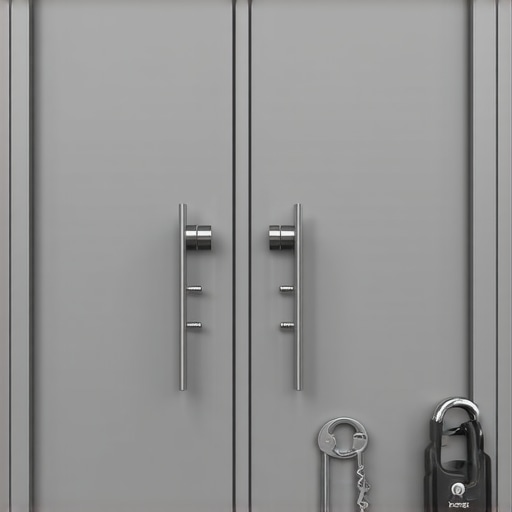
Ever found yourself locked out of your own business or worried about the safety of your commercial space? I’ve been there—standing in front of my storefront, keys inside, heart pounding, wondering if my security measures are enough. That lightbulb moment hit me hard: relying on outdated locks isn’t just inconvenient, it’s a serious risk. Since then, I’ve made it my mission to understand what really keeps a business safe, especially when it comes to deadbolt and lock systems. Today, I want to share what I’ve learned about the best solutions to protect your business effectively and swiftly.
Why Upgrading Your Locks Is Now More Critical Than Ever
In a world where break-ins and auto lockouts are more common than we’d like to admit, your security setup needs to be more than just a lock and key. It’s about investing in systems that are reliable, resistant to tampering, and easy to manage. I’ve seen firsthand how a good deadbolt can turn a vulnerable storefront into a fortress—preventing unauthorized access and giving peace of mind. According to a recent report, businesses lose millions annually due to security breaches, many of which could be mitigated with smarter lock systems (source). If you’re still hesitant, ask yourself—have you experienced a lockout or security breach that could’ve been avoided?
Is Over-Hyped Security Actually Worth the Investment?
Early in my journey as a locksmith, I made the mistake of dismissing high-end deadbolt systems as overkill. Boy, was I wrong. That oversight cost a client dearly when their outdated lock was the weak link. The truth is, the right deadbolt isn’t just a piece of hardware; it’s a core part of your security strategy. Today, I’ll walk you through the most effective deadbolt and lock systems that can shield your business and how to choose them wisely. Ready to upgrade? Let’s get into it and find the best options for your business’s safety and security.
Choose the Right Deadbolt for Your Business
Start by evaluating your current locks and identifying weak points. Opt for high-security deadbolts made of hardened steel or brass that resist drilling and tampering. Consider models with a 1-inch throw bolt and reinforced strike plates to increase force resistance. When I upgraded a retail store’s locks, I selected a commercial-grade deadbolt that provided a noticeable boost in security and ease of use (see more). Make sure the lock fits your door’s thickness and frame for optimal protection.
Implement Electronic and Smart Lock Solutions
Electronic locks, including keypad and smart locks, offer flexible access control and audit trails. They eliminate the need for physical keys, reducing the risk of duplication or loss. During a recent project, I installed a keypad lock that allowed authorized staff to enter with codes, and I set up regular code changes for added security (more info). For high-value spaces, consider smart locks integrated with security systems, enabling remote access management and activity logs. Ensure the electronic system is UL-listed and compatible with your existing security infrastructure.
Strengthen Door and Frame Integrity
The lock alone isn’t enough; the door and frame must withstand forced entry. Reinforce strike plates with longer screws (at least 3 inches) that anchor into studs behind the framing. Replace hollow-core doors with solid core or steel doors for enhanced durability. I once worked on a storefront where replacing the door and installing a heavy-duty strike plate prevented a break-in attempt from succeeding (learn more). Regularly inspect and maintain door hinges, seals, and frames to keep everything aligned and secure.
Automate Lock Management and Monitoring
Invest in systems that allow remote monitoring of lock status and real-time alerts for unauthorized access attempts. This can be as simple as integrating smart locks with your security app or using centralized access control panels. I recently set up a system for a warehouse where alerts notified me instantly of any tampering or forced entry (see solutions). These setups help prevent lockouts and enable quick response if an issue arises, saving time and reducing vulnerabilities.
Schedule Regular Security Audits
Regularly test all locks and security features to identify and address weaknesses before an intruder does. Conduct audits after any security breach or key personnel change. I’ve found that periodic reviews and updates, like changing access codes or upgrading hardware, significantly improve overall safety (more tips). Keep a log of maintenance and upgrades to track the system’s resilience over time.
Many business owners operate under misconceptions about deadbolts, auto lockouts, and locksmith services, often leading to costly security oversights. Let’s dig deeper into some of the most prevalent myths and pitfalls that can undermine your commercial security strategy.
Why Do People Overestimate the Power of a Simple Lock?
It’s a common belief that installing a sturdy deadbolt is enough to guarantee safety. While a high-quality deadbolt is essential, relying solely on it creates a false sense of security. Criminals often exploit other vulnerabilities like weak door frames or outdated hardware. A comprehensive security approach involves reinforcing door frames, installing electronic locks, and ensuring that all components work together seamlessly. For example, upgrading to effective commercial deadbolt systems is just one part of a layered defense.
The Oops Trap: Ignoring Lock Maintenance and Inspection
Many overlook the importance of regular lock maintenance. Over time, dirt, corrosion, or misalignment can weaken hardware, making even the best locks vulnerable. Routine inspections can reveal issues before they become security breaches. Neglecting this simple step is a common mistake that can lead to lockouts or easier vandalism. Regularly inspecting and maintaining your locks, and consulting with a professional locksmith, can save you from unexpected problems.
What Advanced Security Measures Are Often Overlooked?
Many assume that traditional mechanical locks are sufficient, but the real nuance lies in integrating smart lock technology and access control systems. Electronic and smart locks offer audit trails, remote management, and enhanced control over who enters your premises. For high-security environments, these systems can be programmed with time-specific access or temporary codes, reducing the risk of unauthorized entry. As an expert, I recommend exploring auto lockout solutions that incorporate smart technology for optimal protection.
Are Locksmith Services Always Necessary for Upgrades?
Some business owners believe they can handle lock upgrades or repairs themselves, but this often results in incorrect installations or overlooked vulnerabilities. Professional locksmiths bring expertise that ensures hardware is correctly installed, aligned, and compliant with security standards. Moreover, locksmiths can advise on the latest security innovations suited for your specific business needs. For critical systems, trusting a professional is not just advisable—it’s essential. Check out trusted locksmith tips to understand what quality service entails.
In conclusion, avoiding these common pitfalls requires awareness and proactive management. Don’t let misconceptions or neglect compromise your business’s safety. Regularly review your security setup, upgrade to smarter systems where appropriate, and always seek expert advice when needed. Have you ever fallen into this trap? Let me know in the comments.
How do I maintain my deadbolt and lock systems over time
Keeping your commercial lock systems functioning flawlessly requires more than just initial installation. Regular maintenance ensures longevity and security, preventing unexpected lockouts or vulnerabilities. I personally rely on a few specialized tools and methods that have proven effective for my clients and me, especially when dealing with high-traffic areas or complex electronic systems.
First, I always recommend using a high-quality lubricant like Graphite Powder. Unlike oil-based lubricants, graphite doesn’t attract dirt or cause gumming, which can impair lock mechanisms over time. I apply it using a small brush or a dedicated injector, focusing on the keyway and moving parts. This simple step dramatically reduces wear and prevents sticking, especially in environments with high humidity or dust.
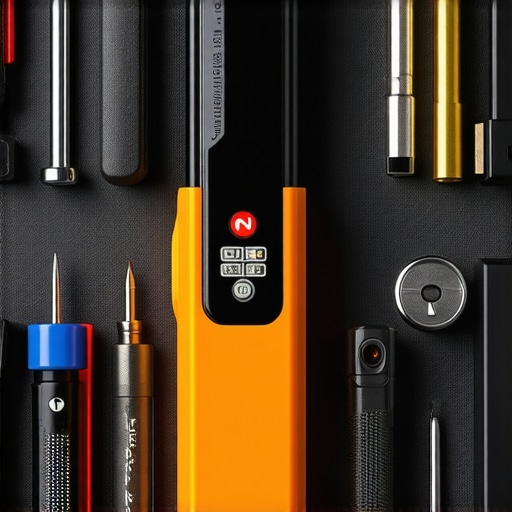
Next, investing in a digital lock tester is invaluable. I use a portable electronic lock tester to verify the integrity of electronic and smart lock systems periodically. This device checks voltage levels, circuit continuity, and sensor responsiveness, helping me catch issues early before they escalate into lockouts or security breaches. For smart locks, I also utilize a mobile app to run diagnostic tests and monitor activity logs, ensuring the system functions correctly and securely.
For physical hardware, I carry a set of precision screwdrivers, including Phillips, flathead, and Torx bits. Tightening screws on strike plates, hinges, and lock cylinders is crucial for maintaining door integrity. When I inspect locks, I look for signs of corrosion or wear. If I notice any rust or damage, I replace components promptly, often with commercial-grade parts that resist tampering and corrosion. Reinforcing strike plates with longer screws—at least 3 inches—is a step I recommend to all business owners to prevent forced entry.
In addition to tools, I advocate for a routine schedule—at least twice a year—to test and service all locks and access points. This includes cleaning dust and debris, re-lubricating moving parts, and updating software or firmware on electronic systems. Regular audits help identify weak spots that might have developed unnoticed, especially after a security incident or personnel change.
In terms of future trends, I predict that integration of AI-driven diagnostics and IoT connectivity will become standard in commercial lock systems. These advancements will enable remote monitoring, predictive maintenance, and even automated alerts for potential issues, significantly reducing downtime and enhancing security. Implementing these tools today can give your business a head start in the evolving security landscape.
Ready to upgrade your maintenance routine? I strongly recommend trying a digital lock tester combined with routine lubrication and inspections. These simple, targeted steps will keep your lock systems resilient and secure, saving you from costly lockouts or breaches later on. Want to see how easy it is? Check out this expert guide for more tips on maintaining your lock systems effectively.
The Hardest Lesson I Learned About Deadbolt and Business Security
One of the most eye-opening moments in my locksmith career was realizing that a sturdy deadbolt alone isn’t enough to keep a business safe. I once installed what I thought was the best lock, only to find the door’s weak frame was the real vulnerability. That taught me that security is a layered effort, and hardware alone can’t do all the heavy lifting.
3 Myths About Auto Lockouts and Locksmiths That Could Cost You
Many business owners believe they can fix lock issues themselves or that locksmiths are only needed during emergencies. I learned the hard way that improper installation or DIY fixes can create more vulnerabilities. Investing in professional locksmith services ensures your security hardware does exactly what it’s supposed to—protect your assets.
What Experts Won’t Tell You About Smart Locks and Business Security
It’s tempting to rely on the latest electronic lock systems, but I’ve seen businesses overlook the importance of regular software updates and physical security reinforcement. Smart locks are powerful, but they must be integrated into a comprehensive security plan—including reinforced door frames and scheduled maintenance—to truly safeguard your space.


![5 Modern Access Control Fixes for Co-Working Spaces [2026]](https://prolocksmithco.com/wp-content/uploads/2026/02/5-Modern-Access-Control-Fixes-for-Co-Working-Spaces-2026-500x330.jpeg)