My First Encounter with Lockouts: A Wake-Up Call for Business Owners
As a small business owner, I vividly remember the day I found myself locked out of my storefront just before closing time. It was a stressful experience that made me realize how crucial reliable lock systems are. Since then, I’ve become passionate about understanding the best solutions for auto lockouts and deadbolt security, especially for commercial spaces.
Why Deadbolts Are My Go-To for Business Security
In my journey of exploring various security options, I discovered that deadbolt systems stand out as one of the most effective ways to safeguard commercial properties. They provide a sturdy barrier against intruders and are resistant to forced entry. Plus, modern deadbolt solutions can be integrated seamlessly with smart security systems, giving me peace of mind when I’m away.
What Makes Auto Lockouts a Critical Concern for Businesses?
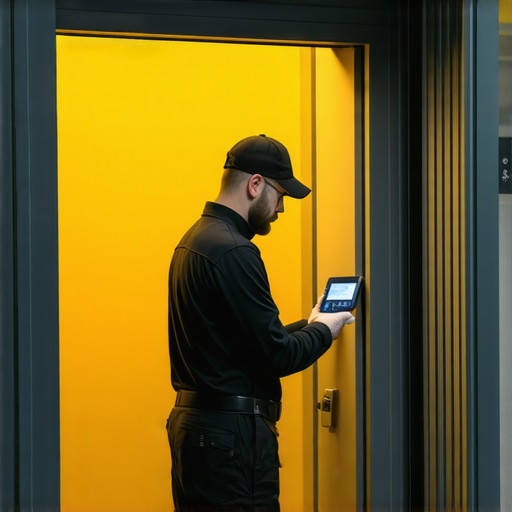
Auto lockouts aren’t just inconvenient; they can disrupt daily operations and compromise security. I’ve learned that having a trusted locksmith service that offers auto lockout solutions can save the day. Quick response times and reliable service are vital, especially when dealing with urgent situations that can jeopardize your business’s security and reputation.
Are Smart Lock Systems the Future of Commercial Security?
From my research and experience, integrating smart lock technologies with traditional deadbolts offers a significant advantage. These systems allow remote access, audit trails, and temporary keys for employees or maintenance staff. To explore more about these advanced solutions, I recommend checking out this comprehensive guide.
How Do I Choose the Right Lock System for My Business?
Choosing the right lock system depends on several factors, including the size of your business, type of assets, and budget. I suggest consulting with experienced locksmiths who can assess your specific needs and recommend tailored solutions. Remember, investing in quality lock systems not only protects your business assets but also enhances overall safety.
If you’ve faced similar challenges or have tips to share about business security, I’d love to hear your stories in the comments below! For more insights, visit this resource.
How Can Businesses Leverage Advanced Deadbolt Technologies for Maximum Security?
In the realm of commercial security, integrating cutting-edge deadbolt systems can significantly elevate protection. Modern solutions now include electronic deadbolts that offer keyless entry, remote management, and audit trails, which are invaluable for maintaining control over access points. For instance, smart deadbolts can be programmed to grant temporary access to contractors or cleaning crews, reducing the risk of unauthorized entry. Exploring how these systems can be seamlessly integrated into existing security infrastructure is crucial for modern businesses. To get a comprehensive understanding of effective strategies, visit this resource.
What Are the Practical Benefits of Combining Deadbolt Security with Automated Lockout Solutions?
Combining deadbolt security with automated lockout services ensures rapid response during emergencies, minimizing operational downtime. When a lockout occurs, professional locksmiths can quickly deploy auto lockout solutions, such as mobile lockout units equipped with the latest technology, to regain access without risking damage. This approach not only preserves the integrity of the lock systems but also guarantees swift resolution—crucial for maintaining business continuity. For example, businesses that experience frequent lockouts due to complex lock systems should consider partnering with trusted providers offering reliable auto lockout solutions. These services are designed to respond promptly, reducing potential losses and security vulnerabilities.
Are There New Trends in Lock System Maintenance That Businesses Should Know?
Yes, proactive maintenance of lock systems is increasingly vital as technology evolves. Regular inspections, firmware updates for electronic deadbolts, and timely repairs can prevent failures that lead to lockouts or security breaches. Embracing a preventative approach, such as scheduled lock checks and system updates, aligns with best practices outlined by security experts. In fact, many companies now employ remote diagnostics for their electronic systems, enabling real-time monitoring and swift troubleshooting. For detailed insights into effective maintenance strategies, see this guide. Additionally, consulting with qualified locksmiths ensures your security measures remain current and resilient against emerging threats.
How Do I Evaluate the Cost-Benefit Balance of Upgrading My Commercial Lock System?
Evaluating the cost-benefit of upgrading involves assessing the potential security improvements against the initial investment. Upgraded systems, such as electronic deadbolts with integrated access control, can reduce the likelihood of forced entry and streamline management. The long-term benefits include fewer security breaches, lower insurance premiums, and enhanced operational efficiency. While the upfront costs might seem substantial, the protection they afford can prevent costly break-ins and downtime. Consulting with experienced locksmiths can help tailor solutions that fit your budget while maximizing security. For expert advice, consider visiting this resource.
If you’ve implemented innovative lockout strategies or have insights into modern deadbolt systems, I invite you to share your experiences or ask questions in the comments. For more expert tips, explore this article.
My Journey into the Nuances of Deadbolt Security: Beyond the Basics
Reflecting on my experience with commercial lock systems, I realize that understanding the deeper layers of deadbolt technology has been a game-changer. When I first adopted electronic deadbolts, I underestimated how critical regular firmware updates and maintenance are for sustained security. As I delved into the technicalities, I discovered that many breaches occur due to overlooked vulnerabilities in outdated electronic systems. This insight prompted me to establish a proactive maintenance schedule, incorporating remote diagnostics and firmware management, which aligns with best practices outlined by industry leaders. Implementing these measures not only boosted security but also reduced unexpected lock failures, saving both time and money.
The Complexities of Integrating Smart Deadbolts into Existing Security Frameworks
One of the most rewarding yet challenging aspects of modernizing my business security was integrating smart deadbolt systems with my existing infrastructure. I found that compatibility issues, user management complexity, and ensuring data security require thorough planning and expert consultation. For instance, when I transitioned to a system that allows remote access and audit trails, I had to ensure encryption standards were up-to-date to prevent hacking attempts. According to a study by cybersecurity experts, electronic lock systems are increasingly targeted by cyber threats, making robust encryption and regular security audits essential (see more here). It was a steep learning curve, but the payoff was a more flexible, efficient, and secure environment.
How Do I Assess the True ROI of Upgrading to State-of-the-Art Deadbolt Systems?
Evaluating the return on investment for advanced deadbolt technologies involves more than initial costs. I consider factors like increased security resilience, operational efficiency, and potential insurance discounts. Upgraded systems have often prevented costly break-ins, and the convenience of remote management has streamlined my staff’s access control procedures. Moreover, the peace of mind that comes from knowing my business is protected by the latest technology is invaluable. Industry data suggests that businesses investing in smart security systems experience fewer security breaches and lower insurance premiums over time (learn more here). However, it’s crucial to weigh these benefits against the upfront investment, considering the specific needs and vulnerabilities of your operation.
What Are the Ethical and Practical Considerations When Deploying Electronic Deadbolt Systems?
This question has occupied my thoughts as I navigated the transition. Privacy concerns, especially regarding audit trails and remote access logs, demand transparency and strict data management policies. It’s essential to inform employees about how access data is used and stored, fostering trust and compliance. Practically, ensuring that backup power sources are in place prevents lockouts during power outages—something I learned the hard way when a storm knocked out electricity and electronic locks failed. Regular testing and maintenance of backup systems are just as vital as the locks themselves. The complexity of these systems underscores why consulting with experienced locksmiths and cybersecurity experts is a wise investment to mitigate risks and uphold ethical standards.
If you’re exploring or have implemented advanced deadbolt technologies, I invite you to share your insights or questions in the comments. For more detailed strategies and real-world applications, explore this resource.
The Critical Role of Regular Firmware Updates in Electronic Deadbolt Systems
My journey into sophisticated deadbolt security has underscored the importance of maintaining electronic lock systems through regular firmware updates. Outdated firmware can harbor vulnerabilities, making systems susceptible to cyber breaches or mechanical failures. I learned this lesson the hard way when a neglected update allowed a security loophole, compromising access controls. Now, I schedule routine firmware checks, often utilizing remote diagnostics, to ensure my electronic deadbolts operate at peak security. This proactive approach aligns with industry insights, such as those from cybersecurity experts at Cybersecurity Ventures, emphasizing that neglecting updates can be a critical oversight in digital security management.
Integrating Biometric Authentication into Commercial Deadbolts
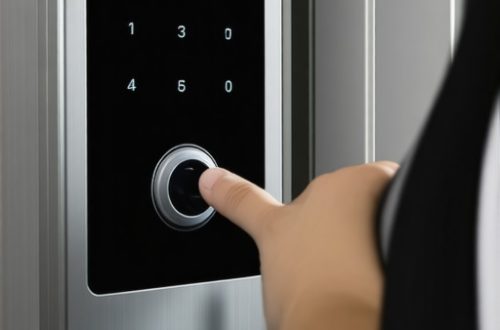
One of the most innovative advancements I’ve embraced is biometric authentication—using fingerprint or facial recognition technology within deadbolt systems. This not only improves security by eliminating the risks associated with lost or stolen keys but also streamlines access management. During my implementation, I faced challenges related to false rejections and system calibration, which I overcame by working closely with cybersecurity and locksmithing experts. The benefits, however, were undeniable: swift, contactless access with a high degree of security. According to a report by Forbes, biometric systems significantly reduce unauthorized entry risks and enhance audit trails, making them a compelling choice for forward-thinking businesses.
Hybrid Lock Systems: Merging Mechanical Resilience with Digital Flexibility
Recognizing that no single system is infallible, I adopted hybrid lock setups that combine traditional mechanical deadbolts with electronic access controls. This dual-layer approach ensures that even if electronic systems fail during power outages or cyber-attacks, the mechanical deadbolt maintains security integrity. The complexity lies in synchronizing these systems seamlessly; I achieved this through professional consultation and specialized integration protocols. Such layered security strategies are increasingly recommended by industry leaders, as detailed in this comprehensive guide. This approach not only fortifies security but also provides operational redundancy, critical for high-security environments.
How Can Data Encryption and Cybersecurity Protocols Be Strengthened in Smart Deadbolt Systems?
Enhancing data encryption and cybersecurity protocols is paramount in protecting smart deadbolt systems from hacking. I’ve integrated end-to-end encryption and multi-factor authentication to secure access logs and control signals. Collaborating with cybersecurity specialists, I implemented regular security audits and firmware patches to address emerging threats. The importance of such measures is highlighted in recent research from NCSC, which underscores that smart lock vulnerabilities often stem from weak encryption standards. I invite readers to share their experiences or ask about specific cybersecurity practices, as staying informed is key to resilient security infrastructure.
Expanding my understanding of these advanced solutions has transformed my approach to business security, turning it into a dynamic, adaptive system rather than a static setup. If you’re exploring similar upgrades or want to discuss tailored security strategies, I encourage you to connect and exchange insights—continuous learning is vital in this rapidly evolving field.
Things I Wish I Knew Earlier (or You Might Find Surprising)
The Hidden Power of Regular Maintenance
When I first invested in electronic deadbolts, I underestimated how crucial regular firmware updates are. It’s like ignoring your car’s oil changes—eventually, things break down. Now, I schedule routine check-ups and firmware updates, which has significantly boosted my security and prevented costly lockouts.
The Myth of ‘One-Size-Fits-All’ Lock Systems
Early on, I thought a single type of lock could suit all parts of my business. Turns out, layered security with hybrid systems offers better resilience. Combining mechanical and electronic locks ensures safety even during power outages or cyber threats, giving me peace of mind.
The Real Cost of Lockouts
I used to see lockouts as minor inconveniences. Now, I realize they can halt operations and harm reputation. Partnering with reliable auto lockout services has saved me from these pitfalls, reinforcing how vital quick response is for business continuity.
Biometrics: The Future I Embrace
Implementing biometric authentication was a game-changer. It eliminated worries about lost keys and sped up access. Sure, calibration can be tricky, but the security and convenience it offers are worth every effort, aligning with the trend toward contactless solutions.
Cybersecurity and Encryption: The Unsung Heroes
Securing smart locks with strong encryption and multi-factor authentication has become a priority. I’ve learned that neglecting cybersecurity can be as dangerous as physical breaches. Regular security audits help me stay ahead of potential cyber threats, ensuring my business remains protected.
Resources I’ve Come to Trust Over Time
- Cybersecurity Ventures: Their threat reports provide invaluable insights into digital vulnerabilities, helping me understand the importance of encryption and updates.
- Forbes Tech Council: Their articles on biometric security and smart tech trends keep me informed about innovative solutions that I might adopt in my business.
- National Cyber Security Centre (NCSC): Their guidelines on smart lock security and best practices have been instrumental in refining my cybersecurity measures.
Parting Thoughts from My Perspective
Reflecting on my journey into advanced deadbolt security, I realize that staying informed and proactive is key. Whether it’s regular maintenance, embracing new technologies like biometrics, or understanding cybersecurity, these elements collectively fortify my business. If you’re contemplating upgrades or want to share your experiences, I’d love to hear your thoughts. Remember, investing in quality lock systems and continuous learning isn’t just about security; it’s about peace of mind and peace of business.