The Anatomy of a Vulnerability
When you walk through your front door after a burglary, the air feels different. It is heavy, stagnant, and carries the stench of violated privacy. Most homeowners immediately look at the missing electronics or the ransacked drawers, but as a locksmith with twenty five years at the bench, I look at the door frame. I look at the cylinder. I look at the physics of the failure. A burglary is not just a crime, it is a forensic report on your home’s weaknesses. If you were hit, your current security failed its only test. To fix this, you do not just need new keys, you need a fundamental overhaul of the mechanical and digital barriers protecting your family. This is not about buying a shinier knob from a big box store, it is about understanding how metal, torque, and software interface to create a true perimeter. For 2026 homes, the threats have evolved, and your response must be equally sophisticated.
The Cost of Ignorance: A Cautionary Tale
A lady came into my shop last week crying because a scammer drilled her lock and charged her six hundred dollars for a fifteen dollar piece of zinc garbage. She had been burgled the night before and called the first number she saw on a search engine, a ghost company with no physical address. They sent a trunk slammer who told her the lock was unpickable and proceeded to ruin her door with a high speed drill. He replaced a high quality Schlage cylinder with a generic knockoff that a teenager could rake open with a paperclip. She was twice a victim: once by the thief and once by the person she trusted to help. This happens because homeowners do not understand the difference between a professional rekey and a destructive replacement. A real locksmith understands that rekeying is a surgical procedure. We do not destroy, we recalibrate. We examine the internal pin stacks, the spring tension, and the plug tolerances to ensure that when we are done, the old keys are nothing more than useless bits of brass while the lock itself is stronger than the day it was installed.
“Security is always a trade-off between convenience and protection.” – Industry Axiom
Fix 1: The Mechanical Deep Dive into Rekeying
Rekeying is the process of changing the internal tumblers of a lock cylinder so that a different key opens it. In a standard pin tumbler lock, you have a series of five or six chambers. Each chamber contains a spring, a driver pin, and a bottom pin. The bottom pins are different lengths, and they correspond to the depths of the cuts on your key. When the correct key is inserted, the gap between the bottom pins and the driver pins aligns perfectly with the shear line, the physical break between the plug and the housing. This allows the plug to rotate. During a burglary, if the intruder used a key they found or a bump key, the shear line was compromised. When I rekey a home in 2026, I do not just swap pins. I upgrade the driver pins to security pins like spools or serrated pins. These pins have specialized shapes that catch on the shear line if someone tries to pick or bump the lock. It turns a standard cylinder into a high security barrier without the cost of a full hardware replacement. This is especially critical for high security locks for rental properties where tenant turnover is high and key control is often non-existent.
Fix 2: Upgrading to ANSI Grade 1 Hardware
Most residential hardware is Grade 3, the lowest tier of certification. It is made of pot metal and thin brass. If an intruder kicked your door, they likely snapped the deadbolt or ripped the strike plate right out of the pine door frame. To prevent a repeat performance, you must move to ANSI Grade 1 hardware. This is commercial grade strength adapted for the home. A Grade 1 deadbolt is tested to withstand significantly more force and millions of cycles. We are talking about solid steel bolts that extend at least one inch into the frame, reinforced with a hardened steel anti-saw pin. If a burglar tries to cut through the bolt with a hacksaw, that internal pin will just spin, frustrating the blade. When considering locksmith costs in urban areas 2026, investing in Grade 1 hardware upfront saves thousands in future repair costs and potential losses.
Fix 3: The Strike Plate and Frame Reinforcement
The lock is only as strong as the wood holding it. In most homes, the strike plate is secured with half inch screws that only grab the thin decorative trim. One well placed kick and the wood splinters. To fix this, I install four screw strike plates using three inch hardened steel screws. These screws bypass the trim and anchor directly into the structural wall studs of the house. This transforms the entire wall into part of your locking mechanism. For those managing electronic locks for Airbnb properties, this physical reinforcement is non-negotiable. You can have the smartest lock in the world, but if the frame is weak, the software is irrelevant. Physical security is a physics problem, you must distribute the force of an impact across as much mass as possible.
“BHMA Grade 1 certification requires the lock to withstand ten 75-foot-pound blows without failure.” – ANSI/BHMA Standards
Fix 4: Managing App-Controlled Risks and Biometrics
In 2026, many homeowners are turning to budget smart lock starter kits. While convenient, these devices introduce app-controlled door locks security risks. If you are rekeying after a burglary, you might be tempted to go fully digital. Biometric options have become more reliable, and affordable biometric door hardware now utilizes capacitive sensors rather than cheap optical ones, making them much harder to fool with a 2D image of a fingerprint. However, you must ensure your digital locks have a physical override that is also high security. I have seen burglars exploit the Bluetooth handshake or old firmware on cheap smart locks to bypass the door without a single scratch. If you choose a smart lock, it must have AES-128 encryption or higher and two-factor authentication for any remote access. For commercial panic exit devices 2026, we are seeing a merger of physical egress and digital monitoring, ensuring that panic bar code compliance 2026 is met while still alerting the owner the moment a door is opened.
Fix 5: Holistic Key Control and Car Security
A residential burglary often leads to a second crime: car theft. If the thieves found your spare keys, they now have access to your vehicles. This is why mobile locksmith services for lost car keys are so busy after a home break-in. In 2026, the technology for lost key replacement for hybrids 2026 has become incredibly complex. We are no longer just cutting metal, we are programming transponders and rolling code ECUs. If your house was breached, you must de-authorize all existing car keys from the vehicle’s computer and originate new ones. This ensures that even if the burglar is sitting in your driveway with your old key fob, it is nothing more than a plastic paperweight. Security is a closed loop, if one part of the system is compromised, the entire loop must be reset. The Final Word: true security is not found in a box at a hardware store, it is found in the precision of the cylinder, the strength of the steel, and the expertise of a technician who knows exactly where the physics will fail.


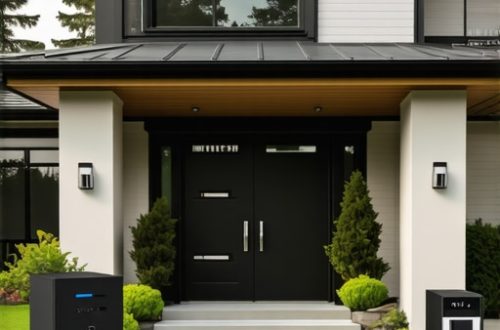
![5 Toughest Front Door Locks for 2026 Home Security [Tested]](https://prolocksmithco.com/wp-content/uploads/2026/03/5-Toughest-Front-Door-Locks-for-2026-Home-Security-Tested-500x330.jpeg)