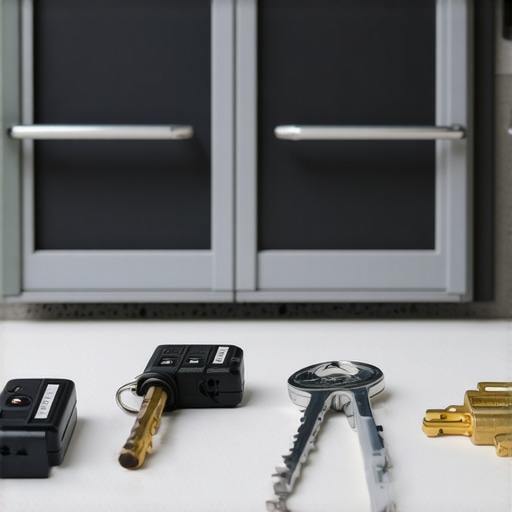
My Personal Journey with Business Lockouts: Lessons Learned
Running a small business, I’ve faced my fair share of security challenges. I vividly remember one hectic morning when I got locked out of my office because the deadbolt jammed unexpectedly. It was a stressful experience that made me realize how critical reliable lockout solutions are. That incident prompted me to dive deeper into auto lockout and deadbolt security, understanding their importance in safeguarding my business assets.
Why Deadbolt Security Should Be a Top Priority for Business Owners
From my experience, deadbolts are more than just a door lock; they’re the frontline of security. When I researched further, I discovered how effective deadbolt systems can prevent unauthorized access and deter break-ins. According to industry experts, installing high-quality deadbolts can significantly enhance your security posture. I also learned that choosing the right deadbolt lockout solutions can save you from costly emergencies and potential data breaches.
How Auto Lockout Solutions Have Saved My Business on Multiple Occasions
Auto lockout situations are common, especially in busy environments. I’ve personally used various auto lockout solutions that provide quick access when keys are misplaced or locks malfunction. For example, reliable rekeying services and smart lock systems have made a huge difference. If you want to explore comprehensive strategies, I recommend checking out effective auto lockout solutions that can enhance your security and operational efficiency.
What Are the Best Practices for Deadbolt Security and Lockout Prevention?
In my experience, regular maintenance and choosing the right lock systems are vital. I’ve found that upgrading to commercial-grade deadbolts, combined with routine inspections, prevents many lockout issues. Additionally, integrating smart locks and keyless entry systems reduces the risk of losing keys and enhances security. It’s also essential to work with trusted locksmiths who understand your specific needs. For expert tips, I highly recommend visiting professional solutions for deadbolt and auto lockout issues.
Ever Wondered How to Balance Accessibility and Security?
Finding that sweet spot between easy access and maximum security is challenging but achievable. I’ve learned that layered security strategies, such as combining deadbolts with surveillance, create a more resilient system. It’s about understanding your business environment and choosing solutions that offer both convenience and protection.
If you’ve faced similar challenges or have tips to share, I’d love to hear your stories in the comments. Sharing experiences helps us all improve our security measures and avoid costly lockout situations.
Remember, investing in the right auto lockout and deadbolt solutions isn’t just about preventing inconvenience—it’s about safeguarding your business’s future. For more insights, visit top security tips for auto lockouts and stay ahead of potential threats.
Innovative Lockout Prevention Techniques: What Are the Latest Trends?
As an industry insider, I continually explore emerging technologies that enhance business security. One promising development is the integration of biometric authentication with traditional deadbolt systems, offering both convenience and robust protection. By combining fingerprint or facial recognition with physical locks, businesses can significantly reduce lockout risks and unauthorized access. According to a recent report by Security Magazine, adopting biometric solutions can improve security efficiency and user accountability, making them a top choice for forward-thinking business owners. To stay ahead, consider consulting with a trusted locksmith who specializes in modern lock systems and can tailor solutions to your specific needs.
What Are the Practical Implications of Smart Lock Technologies for Business Security?
Smart locks have revolutionized access control, enabling remote management and real-time monitoring. These systems often come with mobile app controls, temporary access codes, and audit logs, providing detailed insights into lock activity. For example, a retail store can grant temporary access to delivery personnel without risking key duplication or lockouts. The key is selecting reliable, scalable smart lock solutions that integrate seamlessly with existing security infrastructure. An authoritative resource like effective auto lockout solutions can help you evaluate the best options suited for your operational environment, ensuring both security and convenience.
Are There Hidden Risks in Relying Solely on Digital Lock Systems?
While smart lock systems offer numerous benefits, over-reliance on digital technology can introduce vulnerabilities, such as hacking or system failures. Cybersecurity becomes a critical component of your security strategy. Protecting smart lock networks with strong encryption, regular updates, and secure passwords is essential. Moreover, maintaining traditional backup measures, like mechanical deadbolts or physical keys, ensures your business remains protected even during technology outages. Experts recommend a layered security approach—combining physical, electronic, and procedural safeguards—to create a resilient defense against both physical and cyber threats. For comprehensive strategies, I suggest reviewing effective commercial lock systems that incorporate these principles.
How Can Business Owners Balance Accessibility with Heightened Security?
This ongoing challenge requires nuanced strategies. One effective approach is implementing tiered access levels—allowing employees access only to the areas necessary for their roles, while restricting sensitive zones with additional security layers. For instance, staff entry can be managed via keycards or biometric verification, while emergency exits remain accessible but monitored. Additionally, routine security audits and staff training are vital to prevent accidental lockouts or security breaches. Layered solutions, such as combining deadbolts with surveillance cameras and alarm systems, fortify your defenses without sacrificing accessibility. To explore tailored solutions, see top commercial lock systems for insights on multi-layered security.
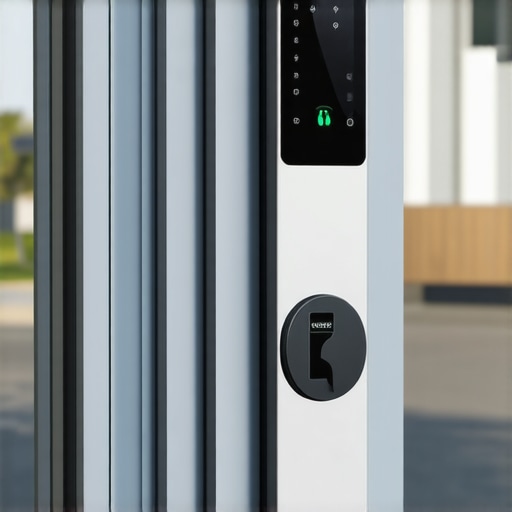
Reflections on Evolving Security Challenges and Personal Growth
Over the years, my journey through the world of business security has been anything but linear. Each lockout incident, seemingly a minor inconvenience at first, gradually unveiled layers of complexity and opportunity for personal and professional growth. I’ve come to realize that security isn’t just about the hardware—it’s about understanding human behavior, technological trends, and the delicate balance between accessibility and protection. These lessons have profoundly shaped how I approach security planning, making me more resilient and adaptable in an unpredictable landscape.
The Nuances of Modern Lockout Prevention: Beyond the Basics
My initial focus was on traditional deadbolts and simple key management. However, I soon discovered that the real challenge lies in integrating these with modern, smart solutions that anticipate and adapt to real-world scenarios. For example, biometric authentication systems, which I’ve experimented with in my own business, offer a level of control that is both intuitive and secure. Yet, they also introduce new vulnerabilities, such as cybersecurity risks that require diligent management. According to a recent report by Security Magazine, the future of lockout prevention hinges on layered, multifaceted systems that combine physical, electronic, and procedural safeguards. This realization pushed me to rethink my approach, emphasizing the importance of continuous learning and technological agility.
Balancing Accessibility and Security: A Personal Perspective
One of the most challenging aspects of security is finding the right balance. In my experience, overly restrictive measures can hinder business operations, while lax security invites risks. I’ve found that implementing tiered access—where employees have permissions tailored to their roles—can create a harmonious environment. For instance, I use keycards for staff access, coupled with biometric verification for sensitive areas. This layered approach not only enhances security but also maintains operational flow. I encourage fellow business owners to think about their unique environments and consider customized solutions that prioritize both safety and convenience. Sharing these strategies in the comments is valuable; I believe collective wisdom can help us all navigate this complex terrain better.
The Hidden Risks and How to Mitigate Them
Relying heavily on digital lock systems, while convenient, opens doors to cyber vulnerabilities. System hacking, malware, or even simple user error can compromise your security. I learned this firsthand when a smart lock system I integrated was briefly compromised due to weak passwords. This experience underscored the importance of cybersecurity best practices—regular updates, strong encryption, and multi-factor authentication. Additionally, maintaining physical backup options, like mechanical deadbolts, ensures safety during technical failures. An integrated approach, combining physical and digital safeguards, is essential. Experts like those at Pro Locksmith emphasize the importance of layered defenses, which I now prioritize in my security protocols.
Innovative Trends Shaping the Future of Business Lockouts
Looking ahead, the integration of biometric data with AI-driven security analytics excites me. Imagine a system that learns from access patterns, detects anomalies, and responds proactively—reducing lockout risks before they happen. I recently read about facial recognition systems that adapt in real-time, offering a seamless yet secure entry process. These innovations are not just technological marvels; they are responses to the evolving sophistication of threats. As a business owner, staying informed about these trends and consulting with specialists—like those at Fast Locksmith—can help you make smarter security investments that pay dividends in peace of mind.
Engage and Share Your Personal Experiences
Having navigated the complex world of lockouts and security solutions firsthand, I know that every business has unique challenges and opportunities. I invite you to share your stories, insights, or questions in the comments. Together, we can learn from each other’s experiences, avoiding pitfalls and discovering effective strategies that stand the test of time. Remember, investing in the right combination of auto lockout and deadbolt solutions isn’t just about preventing inconvenience; it’s about safeguarding our aspirations and future growth.
Deciphering the Future of Lockout Technology: Are We Ready for AI-Powered Security?
As I delve deeper into the evolving landscape of business security, I find myself contemplating the transformative potential of artificial intelligence (AI) integrated with traditional lockout solutions. The emergence of AI-driven security analytics, capable of learning access patterns and detecting anomalies, promises a proactive approach to preventing lockouts and unauthorized access. According to a detailed report by Security Magazine, the future of lockout technology hinges on these intelligent systems that adapt and respond in real-time, minimizing human error and elevating security standards. Implementing such solutions requires not only technological investment but also a profound understanding of cybersecurity principles, ensuring that these intelligent systems are resilient against hacking attempts and system breaches.
How Can Business Leaders Strategically Integrate Multi-Layered Access Control to Maximize Security?
In my experience, a layered access control approach is paramount for sophisticated business environments. This entails combining physical security measures, such as high-grade deadbolts and biometric locks, with electronic monitoring systems and procedural safeguards. For instance, tiered access levels—where employees are granted permissions aligned with their roles—create a nuanced security matrix that adapts to evolving operational needs. I’ve found that integrating smart access management platforms, which provide audit logs and remote control capabilities, significantly enhances oversight and accountability. To explore cutting-edge solutions, I recommend reviewing top auto lockout solutions that support multi-layered security strategies, ensuring your business is fortified against diverse threats.
What Are the Critical Considerations When Deploying Biometric Security Systems in a Business Setting?
Implementing biometric systems introduces a complex array of considerations—privacy, accuracy, and cybersecurity among them. From my perspective, the foremost priority is selecting biometric modalities that balance security with user convenience, such as fingerprint or facial recognition. However, safeguarding biometric data is crucial; encryption and secure storage practices are non-negotiable to prevent data breaches. Additionally, it’s vital to establish fallback mechanisms, like mechanical overrides, to maintain accessibility during system failures. According to a comprehensive review by Security Magazine, organizations that adopt biometric solutions must also invest in ongoing staff training and regular audits to mitigate vulnerabilities. I encourage fellow entrepreneurs to approach biometric security as part of a holistic, layered security infrastructure, rather than a standalone solution, to maximize effectiveness and trust.
If you’re interested in elevating your lockout prevention strategies and sharing your experiences, I invite you to connect and exchange insights. Together, we can navigate the complexities of modern security, turning challenges into opportunities for resilience and growth.
Things I Wish I Knew Earlier (or You Might Find Surprising)
The Hidden Power of Quality Deadbolts
Looking back, I underestimated how much a high-quality deadbolt could deter intruders. Early on, I thought all locks were pretty much the same, but investing in robust deadbolt systems truly changed the game for my business security. It’s a small upgrade that offers peace of mind and a significant safety boost.
Lockout Incidents Are More Common Than You Think
Initially, I believed lockouts only happened to others. Then, I faced one myself—an embarrassing moment that made me realize how crucial auto lockout solutions are. Since then, I’ve learned that lockouts can happen unexpectedly, and being prepared with quick access options is essential for smooth operations.
The Balance Between Accessibility and Security Is a Fine Line
Finding that perfect middle ground was a revelation for me. Overly strict security measures can hinder staff and clients, while too lax policies invite risks. Layered security strategies, like combining deadbolts with surveillance, proved to be effective in my experience, and I recommend considering these integrated solutions.
Smart Locks Are a Double-Edged Sword
While smart locks are convenient, I discovered that they require diligent cybersecurity practices. A breach or system failure can cause major disruptions. Regular updates and backups, along with traditional keys, create a resilient security system that adapts to modern threats.
Biometric Authentication Is the Future—But It’s Not Perfect
Biometric systems fascinated me, offering seamless access. However, I found that privacy concerns and technological limitations mean they shouldn’t replace physical backups. Combining biometric with traditional locks creates a layered, more reliable security approach.
Cybersecurity Is Just as Important as Physical Security
Relying solely on digital solutions can be risky if cybersecurity isn’t prioritized. I learned to implement strong encryption, multi-factor authentication, and regular system audits to protect sensitive access data, making my security posture more robust.
Resources I’ve Come to Trust Over Time
Security Magazine
This publication offers in-depth insights into the latest security trends and tech innovations, helping me stay informed about emerging threats and solutions. It’s a trusted resource I recommend to any business owner interested in security.
Pro Locksmith
Their comprehensive guides on deadbolt security and auto lockout solutions have been invaluable. Their expertise helped me make smarter decisions when upgrading my lock systems and planning lockout prevention strategies.
National Crime Prevention Council
Providing practical advice and crime prevention tips, this organization has helped me understand community and business safety better. Their resources are easy to understand and implement.
TechCrunch Security Section
For insights into the latest digital security innovations, TechCrunch keeps me informed about biometric, AI, and smart lock developments that could impact my business security planning.
Parting Thoughts from My Perspective
Reflecting on my journey, I realize that effective business security isn’t just about hardware but a layered approach that combines physical, electronic, and procedural safeguards. Deadbolt security and auto lockout solutions are foundational, but staying adaptable and informed about emerging tech is equally vital. If this resonates with you, I’d love to hear your thoughts or personal experiences. Sharing stories helps us all build stronger, safer businesses. Remember, investing in the right auto lockout and deadbolt solutions isn’t just about avoiding inconvenience—it’s about protecting your future and peace of mind.



![How to Cut 2026 EV Key Fob Replacement Costs by 50% [Data]](https://prolocksmithco.com/wp-content/uploads/2026/04/How-to-Cut-2026-EV-Key-Fob-Replacement-Costs-by-50-Data-500x330.jpeg)
Reading this post really resonated with me, especially the part about the importance of high-quality deadbolts. I used to think that all locks serve the same purpose until I upgraded to commercial-grade deadbolts after a break-in attempt at my store. The difference in security was immediately noticeable, and it gave me peace of mind knowing my assets are better protected. I also found the insights on lockout solutions quite practical—especially integrating smart locks and keyless systems. As a small business owner in a busy city, managing access efficiently while maintaining security can be challenging.
One thing I’ve been considering is implementing biometric authentication to further reduce lockout risks. Have others here considered using biometric systems? What has your experience been in balancing convenience, security, and privacy when adopting these advanced technologies? Would love to hear different perspectives on how to effectively integrate such solutions without overcomplicating daily operations.
This post really hits home for me, especially the part about how a jammed deadbolt can cause a hectic morning. I’ve faced similar issues in my business before and realized that investing in high-quality, commercial-grade deadbolts and regular maintenance makes a huge difference. What I’ve found helpful is integrating smart lock systems that can be remotely controlled and monitored, reducing the risk of lockouts and unauthorized access.
Regarding biometric authentication, I’ve experimented with fingerprint scanners for staff entry, and it’s been quite effective in minimizing lockout situations. However, I do wonder about the privacy concerns and potential cybersecurity risks associated with storing biometric data. Does anyone have experience with balancing security benefits and privacy issues when implementing these systems?
It also makes me think about layered security—combining physical, electronic, and procedural safeguards—to create an adaptable security environment. Has anyone integrated AI or machine learning into their lockout prevention strategies? Would love to hear more about innovative tech solutions that are proving effective in real-world scenarios.