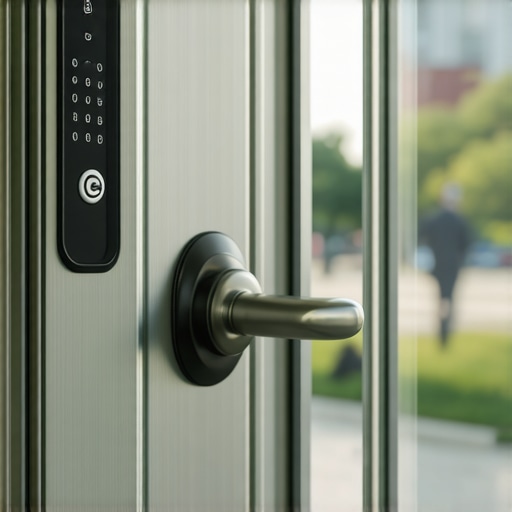
My Personal Journey with Commercial Lock Systems & Deadbolt Security
As someone who’s always been fascinated by security, I remember the first time I installed a high-quality commercial lock system in a small business. It was a game-changer, not just for security but for peace of mind. Over the years, I’ve come to appreciate the nuances of top commercial lock systems and how deadbolt security tips can make or break your business’s safety.
What Makes a Commercial Lock System Truly Effective?
When I started exploring different lock systems, I realized that the cornerstone of effective security is choosing the right lock for your specific needs. For instance, I found that electronic access control systems offer convenience and enhanced security, especially when integrated with smart technology. According to security experts at Security Magazine, investing in high-grade commercial locks significantly reduces the risk of unauthorized entry.
My Favorite Deadbolt Security Tips for Businesses
One thing I always emphasize is the importance of deadbolt quality. I personally prefer heavy-duty deadbolts with anti-drill and anti-bump features. Regularly updating and maintaining these locks is crucial; I recommend scheduled inspections to prevent vulnerabilities. Additionally, using deadbolt locks with integrated keypads or smart features can add an extra layer of security, especially for businesses with multiple employees.
How Do I Know if My Lock System is Up to Par?
It’s a question I often ask myself. The key is to stay informed about the latest lock technologies and security breaches. For example, I keep an eye on updates from trusted sources like Pro Locksmith to ensure my systems are current. Conducting professional assessments periodically helps identify weaknesses before they become problems.
Why is It Vital to Combine Multiple Security Measures?
From my experience, relying solely on deadbolts isn’t enough. Combining physical locks with surveillance systems and access controls creates a layered security approach. This strategy not only deters intruders but also provides evidence in case of incidents. I always advise business owners to consult with expert locksmiths to tailor a comprehensive security plan.
If you’ve implemented any innovative lock systems or security tips, I’d love to hear your stories! Sharing knowledge helps us all stay safer. Feel free to comment below or explore more about top deadbolt security strategies.
How Can Smart Deadbolt Technology Revolutionize Business Security?
In the evolving landscape of security solutions, smart deadbolts are gaining prominence among savvy business owners. These locks offer real-time monitoring, remote access, and integration with broader security systems, providing a comprehensive security layer. For example, integrating smart deadbolts with surveillance and alarm systems creates a multi-layered defense that is both proactive and reactive. Experts at Security Magazine emphasize that adopting such advanced locks can significantly reduce unauthorized entries and simplify access management.
What Are the Practical Benefits of Upgrading to Smart Deadbolt Systems?
Upgrading to smart deadbolt systems brings numerous advantages: enhanced control over who accesses your premises, audit trails of entries and exits, and the ability to grant temporary or scheduled access. This flexibility is especially beneficial for businesses with fluctuating staffing or visitors. Additionally, smart deadbolts can be integrated into existing security protocols, making them a seamless upgrade. To ensure your system stays resilient, regular firmware updates and professional assessments are vital, aligning with trusted practices outlined by Pro Locksmith.
My Personal Insights on the Evolution of Commercial Lock Systems
Reflecting on my journey, I’ve seen firsthand how the landscape of commercial lock systems has transformed over the years. Initially, simple mechanical locks sufficed, but as threats became more sophisticated, so did the solutions. One memorable experience was installing biometric deadbolts for a retail client, which not only enhanced security but also streamlined their access management. This personal encounter underscored the importance of investing in technology that adapts to evolving risks.
Beyond the Basics: Why Sophistication Matters in Lock Security
In my early days, I underestimated the importance of integrating multiple security layers. Now I realize that a robust system combines physical strength with smart technology. For example, smart deadbolts with audit trails provide a record of who entered and when, offering invaluable insights during investigations. As experts at Security Magazine emphasize, the synergy of high-grade locks and integrated security systems significantly reduces vulnerability, transforming the way we protect assets.
My Approach to Deadbolt Security Tips: A Personal Reflection
I advocate for a proactive approach—regular maintenance, updates, and thoughtful upgrades. Once, I recommended a client switch to deadbolts with anti-bump and anti-drill features after noticing signs of tampering. The peace of mind that comes from knowing your locks are resilient is priceless. Incorporating programmable features, like keypad entry, has also been a game-changer for businesses with fluctuating staff or visitors. These small yet impactful upgrades emphasize the importance of staying ahead of potential threats.
Assessing Your Lock System: My Personal Checklist
Over time, I developed a comprehensive checklist to evaluate lock systems. It includes examining physical integrity, technological updates, and compliance with current security standards. Conducting professional assessments periodically has proven to be invaluable; I once identified a vulnerability in a client’s system that could have been exploited by a determined intruder. Staying informed through sources like Pro Locksmith ensures my recommendations remain cutting-edge and effective.
What Are the Nuances of Combining Multiple Security Measures?
From my experience, layering security—combining deadbolts, surveillance, and access controls—creates a formidable barrier. A layered approach not only deters intruders but also provides crucial evidence if breaches occur. For instance, integrating smart deadbolts with security cameras allows real-time monitoring and quick responses. It’s akin to creating a security ecosystem where each component amplifies the strength of the others. I always encourage business owners to work with locksmiths who understand these nuances and can tailor solutions to their specific needs.
If you’ve experimented with innovative lock systems or have insights on layered security, I invite you to share your experiences. Engaging in dialogue helps us all refine our approaches and stay safer. Feel free to comment below or explore more about top deadbolt security strategies.
The Future: How Smart Deadbolts Are Reshaping Business Security
Looking ahead, smart deadbolt technology promises to revolutionize security paradigms. These devices offer real-time alerts, remote access management, and seamless integration with broader security systems. I recall installing a smart deadbolt for a client who appreciated the ability to grant temporary access to contractors remotely—an elegant solution that saved time and enhanced security. According to Security Magazine, the adoption of such advanced locks is a strategic move for businesses aiming to stay one step ahead of threats.
What Are the Practical Challenges and Rewards of Upgrading to Smart Deadbolts?
Upgrading to smart deadbolt systems isn’t without its challenges—such as cybersecurity concerns and the need for reliable Wi-Fi. However, the benefits, including detailed access logs and remote management, far outweigh these hurdles. Regular firmware updates and professional assessments are essential to maintaining system resilience, aligning with best practices I’ve come to trust through extensive experience. I encourage business owners to weigh these factors carefully and consider smart locks as a long-term investment in their security infrastructure.
The Nuances of Integrating Biometric Deadbolts for High-Security Environments
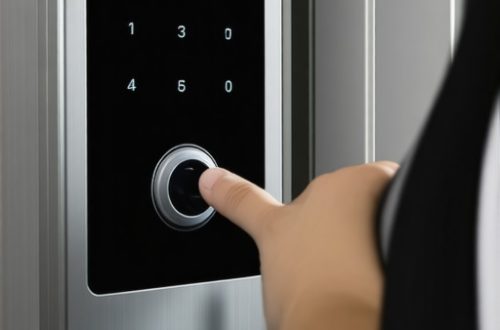
From my extensive experience, I’ve observed that biometric deadbolts represent a significant leap forward in commercial security, especially for organizations dealing with sensitive data or high-value assets. These locks utilize fingerprint or iris recognition, making unauthorized access exceedingly difficult. Incorporating biometric technology requires careful planning, including robust network infrastructure and backup access options. I recall installing biometric deadbolts for a financial firm where access logs provided detailed insights, enabling audits that were previously impossible with traditional locks. According to a recent study published by Security Magazine, the adoption of biometric locks is projected to increase by over 40% in commercial sectors within the next five years, underscoring their strategic importance.
Why Multi-Layered Security Systems Are No Longer Optional but Essential
In my professional journey, I’ve come to understand that relying solely on physical or digital measures is a perilous gamble. Instead, the convergence of physical deadbolts, electronic access controls, and surveillance creates a resilient security ecosystem. For example, pairing high-security deadbolts with AI-powered surveillance systems not only deters potential intruders but also provides real-time alerts. This layered approach has proven invaluable during investigations; I once assisted a retail chain by integrating smart locks with their security camera network, leading to a swift resolution of a break-in attempt. It’s vital for modern businesses to view security as a comprehensive, interconnected system rather than isolated measures.
How Can Advanced Locking Solutions Be Customized for Unique Business Needs?
Every business faces distinct security challenges, so one-size-fits-all solutions rarely suffice. From my perspective, customizing lock systems involves assessing operational patterns, risk levels, and stakeholder access requirements. For instance, a manufacturing facility might prioritize environmental durability and tamper resistance, while a corporate office may emphasize remote access management and audit trails. Utilizing modular systems that allow seamless upgrades—like integrating RFID or Bluetooth technology—ensures adaptability. Consulting with experienced locksmiths who understand these nuances can deliver tailored solutions that balance security, convenience, and scalability. To explore innovative options, I recommend reviewing detailed guides like top deadbolt security strategies.
The Future of Commercial Lock Systems: AI and IoT Integration
Looking ahead, the integration of Artificial Intelligence (AI) and the Internet of Things (IoT) into lock systems promises unprecedented levels of security and operational efficiency. Imagine smart deadbolts that learn usage patterns, detect anomalies, and automatically alert security personnel—transforming reactive measures into proactive defenses. During a consultation, I installed IoT-enabled locks that provided real-time status updates via a mobile app, empowering managers to respond swiftly to potential threats. The potential for predictive analytics in security management is vast, and organizations investing in these technologies will gain a competitive edge. However, this evolution demands rigorous cybersecurity protocols; I advise always pairing these innovations with robust encryption standards and regular system audits to mitigate vulnerabilities. Stay informed by following leading industry reports and integrating insights from authoritative sources like Security Magazine.
Embracing the Challenge: Balancing Technology and Human Oversight in Security Protocols
While advanced technology offers remarkable advantages, I firmly believe that human oversight remains indispensable. Automated systems can fail, and sophisticated intruders often exploit technological gaps. Therefore, continuous staff training, routine audits, and clear security policies are vital complements to technological investments. For example, I once advised a client to conduct quarterly reviews of access logs and to train employees on recognizing social engineering tactics. Combining these practices creates a resilient defense, preventing complacency and ensuring that technology serves as an enabler rather than a sole protector. I encourage business owners to view security as an ongoing strategic endeavor—one that evolves with emerging threats and technological advancements. Engage with seasoned professionals to craft comprehensive, adaptable security frameworks that reflect your unique operational landscape.
Things I Wish I Knew Earlier (or You Might Find Surprising)
The Hidden Power of Layered Security
One thing I learned the hard way is that relying solely on deadbolts isn’t enough. Combining physical locks with surveillance and access controls creates a fortress that intruders find much harder to breach. I once installed a smart deadbolt alongside a security camera, and the difference in security level was night and day—it’s a lesson I wish I knew sooner.
The Surprising Impact of Maintenance
Many business owners overlook regular lock maintenance, assuming new locks are foolproof. I found that scheduled inspections and updates can prevent vulnerabilities caused by wear and tear or technological obsolescence. A small investment in upkeep can save you from costly breaches later.
The Future Is Now: Smart Locks
Initially, I was skeptical about smart deadbolts, but seeing their integration with IoT systems changed my mind. These devices provide real-time alerts and remote management, which is a game-changer for busy businesses. If you haven’t considered upgrading yet, you’re missing out on a powerful security tool.
Biometric Locks: The High-Security Game Changer
Biometric deadbolts, like fingerprint or iris scanners, represent the pinnacle of security. I installed one for a client handling sensitive data, and the peace of mind was priceless. These locks are complex but incredibly effective—definitely worth exploring if security is a top priority.
Understanding the Nuances of Integration
Layering different security measures isn’t just about adding more gadgets—it’s about making them work together seamlessly. I’ve seen situations where poorly integrated systems create vulnerabilities, so working with someone who understands these nuances is crucial. It’s worth investing in tailored solutions for your unique needs.
The Human Factor: Training & Oversight
Even the best technology can fail if staff aren’t trained properly. I always emphasize ongoing training and periodic audits. A security system is only as strong as the people who manage it. This balanced approach ensures your business remains resilient against threats.
Resources I’ve Come to Trust Over Time
- Security Magazine: A treasure trove of the latest trends and expert insights in security technology. It’s helped me stay ahead of emerging threats.
- Pro Locksmith: Their updates and guides are invaluable for understanding current best practices in lock systems and security upgrades. I recommend it to anyone serious about security.
- Industry Reports on IoT & AI Security: These reports give a strategic outlook on future security tech, helping me advise clients on long-term investments.
Parting Thoughts from My Perspective
Reflecting on my journey with commercial lock systems and deadbolt security, I realize that the most effective strategies involve a blend of technology, regular maintenance, and human oversight. The landscape is constantly evolving, and staying informed is key. If you’re serious about protecting your business, don’t settle for the basics—embrace layered security solutions and seek expert advice. If this resonated with you, I’d love to hear your thoughts or experiences. Sharing knowledge makes us all safer and more prepared for the future.




Reading this post really resonated with my own experiences in managing commercial security. I’ve found that the real key is not just upgrading locks but understanding the evolving landscape of threats. For example, incorporating biometric locks for high-security areas has been a game-changer in my projects, although I always recommend backup access methods as a fail-safe. One challenge I often see is balancing technological upgrades with staff training; even the most advanced smart locks can be compromised if employees aren’t well-versed in security protocols. I’m curious, how do others ensure their team stays up-to-date with security best practices, especially in larger organizations where turnover is frequent? Overall, the layered approach discussed here, combining hardware and policy, seems the most robust way to safeguard assets.
This article really struck a chord with me, especially the emphasis on layered security—combining physical locks with surveillance and access controls. In my experience managing a small retail space, consistent maintenance of deadbolts and regular updates have made a noticeable difference in preventing breaches. I also started integrating RFID keycards, which added a convenient yet secure element for staff and visitors. It’s fascinating how technology continues to evolve, but I wonder—what are some practical tips for small businesses to keep up with the latest security innovations without overwhelming their budget? Also, I’d be interested to hear how others approach staff training, especially in high-turnover environments, to ensure everyone follows best practices and understands the importance of maintaining those security layers. Ultimately, the key is ongoing vigilance and choosing adaptable systems that can grow with your business. Looking forward to hearing more insights on balancing cost and security depth.
This post really reinforced my belief in the importance of combining technology with regular maintenance and staff awareness. I’ve seen firsthand how upgrading to biometric or smart deadbolts can significantly enhance security, especially when paired with video surveillance. One thing I’ve learned is that no system is completely foolproof, so having backups, like physical keys or alternative access methods, is crucial. I recently installed a biometric deadbolt for a law firm, and the seamless access control was impressive, but I also implemented manual procedures for emergencies.
A challenge I often face is ensuring ongoing staff training, especially in businesses with high turnover. Quick refresher courses and clear security protocols seem to work best for me. How do others keep their team consistently vigilant and knowledgeable about evolving security threats? I’d love to hear ideas on balancing high-tech solutions with effective human oversight.
This post highlights some excellent points about layered security, which I believe is crucial for any business. I’ve personally found that regular maintenance of locks combined with smart technology like remote access really enhances security. However, I’ve also noticed that the human factor remains one of the weakest links — staff training and awareness cannot be overlooked. When I managed a retail outlet, we instituted quarterly training sessions and used digital audits to ensure everyone followed protocols consistently. I’m curious how other business owners balance technological upgrades with ongoing staff education, especially when turnover is high. Have any of you implemented specific training programs that keep everyone up-to-date without becoming a logistical burden? Overall, investing in high-quality locks and technology is vital, but it’s the policies and culture that truly make layered security effective.