My First Encounter with Commercial Lock Challenges
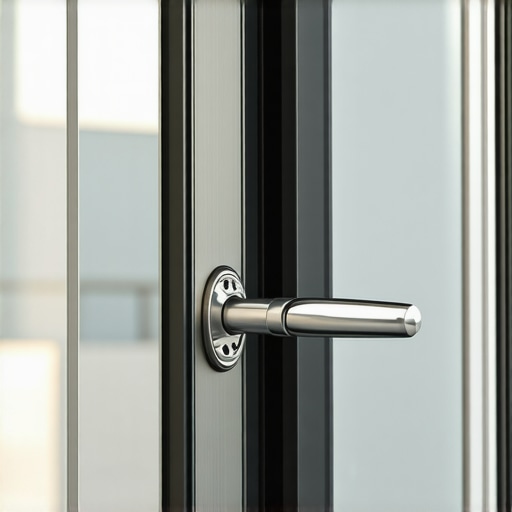
One day, I found myself locked out of a local business I was helping secure. That experience was a wake-up call about the importance of reliable deadbolt and lock systems. It made me realize how crucial effective locksmith solutions are for business security, especially in high-traffic commercial spaces. Since then, I’ve dedicated myself to understanding the nuances of commercial lock systems and how they can prevent unauthorized access while offering peace of mind.
The Power of Quality Deadbolt & Lock Systems for Business Security
In my journey, I’ve seen firsthand how well-installed commercial deadbolt systems can be game-changers. These locks not only deter intruders but also comply with security standards that safeguard assets and staff. I always emphasize choosing high-grade materials and professional installation, as these make all the difference in durability and security. Trust me, investing in top-tier deadbolt systems has saved many businesses from costly break-ins.
How Do I Know Which Lock System Is Right for My Business?
This question often comes up during my consultations. The answer varies based on the type of business, location, and security needs. For example, retail stores benefit from lock systems with advanced access controls, while office buildings might prioritize quick rekeying options. I recommend a tailored approach, combining traditional deadbolts with smart lock technologies for layered security. For more insights, I often refer clients to this guide on deadbolt security.
What Are the Latest Trends in Commercial Lock Security?
Staying ahead in security means embracing new trends. Recently, I’ve noticed a surge in smart deadbolt locks that integrate with mobile apps, providing real-time access logs and remote control. These innovations not only enhance security but also streamline management for business owners. According to trusted industry sources, integrating IoT-enabled locks is becoming standard in commercial security planning.
If you’re like me and want to keep your business protected, I encourage you to share your experiences or ask questions in the comments. Whether you’re considering upgrading your lock systems or need expert advice, understanding the options available can make a significant difference in your security strategy.
Integrating Smart Lock Features into Commercial Deadbolt Systems
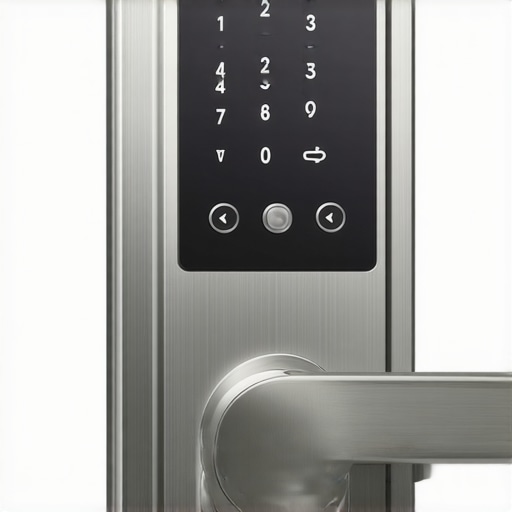
As a seasoned locksmith, I am increasingly recommending smart deadbolt locks to businesses looking to boost their security frameworks. These innovative locks offer features such as remote access control, activity logs, and integration with existing security systems. By leveraging IoT-enabled deadbolts, business owners can monitor and control access in real-time, reducing the risk of unauthorized entries. For example, integrating smart locks with security cameras and alarm systems creates a comprehensive security network that is both proactive and responsive. For insights into the latest smart lock trends, visit trusted industry sources.
How Can Layered Security Strategies Minimize Lockouts and Security Breaches?
Implementing layered security involves combining multiple lock types and access controls to create redundancies that thwart intruders. For instance, pairing traditional deadbolts with electronic access systems ensures that if one layer is compromised, others remain effective. Additionally, regular maintenance and timely upgrades to lock hardware prevent vulnerabilities caused by wear and tear. Layered security not only enhances protection but also reduces instances of lockouts that can disrupt business operations. To explore effective lockout solutions, see this resource.
What Are the Practical Considerations for Upgrading Existing Lock Systems?
Upgrading a commercial lock system requires careful planning. First, assess the current security gaps by consulting with a professional locksmith who understands the latest lock technologies. Second, select locks that meet your business’s specific needs—whether that’s high traffic, high security, or ease of rekeying. Third, ensure proper installation by certified technicians to maximize durability and effectiveness. It’s also wise to consider future scalability; choosing modular lock systems allows for upgrades without complete replacements. For detailed guidance, check out this comprehensive guide.
< >
>
Reflections on the Nuances of Commercial Lock Management
Over the years, my journey with commercial lock systems has evolved from basic installations to a nuanced understanding of layered security strategies. One aspect that often gets overlooked is the importance of understanding the specific environment and traffic flow of a business. For example, in high-traffic retail spaces, the wear and tear on deadbolt mechanisms can escalate rapidly, necessitating more frequent maintenance or the use of ultra-durable materials. This realization came after witnessing a recurring pattern where even the best locks failed prematurely due to environmental stressors, prompting me to explore materials like boron steel or laminated alloys that withstand such challenges.
Balancing Technology and Tradition in Lock Security
Integrating smart technology into traditional deadbolt systems can seem daunting, yet it offers unparalleled control and flexibility. I recall a client who was hesitant about adopting IoT-enabled locks, fearing hacking risks. However, after a detailed discussion about encryption standards and real-time monitoring, they embraced the innovation, leading to a significant reduction in unauthorized access incidents. This shift exemplifies how embracing technological advancements, like biometric access or app-based controls, can complement traditional mechanical security, creating a resilient, multi-layered defense. For those interested, exploring trusted sources such as this resource can provide deeper insights into current smart lock trends.
What Advanced Measures Can Be Taken to Prevent Lockouts and Security Breaches?
Preventing lockouts is a complex challenge that requires proactive planning. From my experience, one effective approach involves implementing redundant access controls—such as combining biometric entry with keycard systems—to ensure that if one method is compromised or fails, others remain operational. Additionally, routine audits and security drills can identify potential vulnerabilities before they are exploited. For instance, I once advised a client to schedule regular rekeying sessions and maintain a detailed access log, which proved invaluable during a security review. These measures, coupled with real-time monitoring of lock activity via smart systems, significantly reduce the risk of breaches. According to trusted industry literature, layered security strategies are essential for modern commercial environments.
Considering Future-Proofing Your Lock System
Looking ahead, one of the most exciting developments is the scalability of lock systems. I often advise clients to choose modular lock solutions that can evolve with their security needs. For example, starting with basic deadbolts and gradually integrating smart features or access control layers allows for a tailored security approach without hefty upfront costs. This adaptability not only ensures long-term protection but also minimizes disruption during upgrades. The key is to select systems that support future integrations, such as cloud-based management or biometric access, ensuring your security infrastructure remains robust and flexible. If you’re contemplating such upgrades, exploring comprehensive guides like this resource can be highly beneficial.
Would love to hear your experiences or questions about advancing your commercial security. Sharing insights helps us all stay ahead in this ever-evolving landscape of lock technology and security strategies.
Embracing Technological Synergies for Unmatched Security Resilience
Over the years, my approach to commercial lock management has transcended basic installation, evolving into a nuanced orchestration of layered security that integrates cutting-edge technology with traditional mechanical systems. One pivotal realization was the necessity of understanding the specific operational environment of each business—retail, corporate, or industrial—since environmental stressors markedly influence lock longevity. For instance, high-traffic retail outlets expose deadbolts to rapid wear, prompting me to advocate for ultra-durable materials like laminated alloys or boron steel, which withstand environmental and mechanical stresses more effectively.
The Role of Smart Lock Ecosystems in Future-Proofing Business Security
Integrating smart lock ecosystems with existing security infrastructure is no longer a luxury but a strategic imperative. I recall advising a client hesitant about IoT integration due to cybersecurity concerns; after discussing robust encryption protocols and real-time activity monitoring, they adopted smart deadbolts that significantly enhanced their control over access points. This experience underscored the importance of choosing reputable providers, such as those recommended by trusted industry sources. Combining biometric access, remote management, and activity logs creates a resilient multi-layered defense, essential for modern security challenges.
Questioning the Efficacy of Single-Layer Security in Complex Environments
How Can Multi-Layered Lock Strategies Minimize Vulnerabilities in High-Risk Settings?
In my professional journey, I have observed that relying solely on a single lock type, no matter how robust, leaves vulnerabilities open—especially in high-stakes environments. Implementing layered security—pairing mechanical deadbolts with electronic access controls, biometric systems, and security sensors—creates redundancies that are difficult for intruders to bypass. Routine audits and scheduled rekeying further fortify this framework, ensuring that even if one layer is compromised, others remain effective. This comprehensive approach is supported by industry insights, such as those detailed in this resource, emphasizing the importance of redundancy and proactive maintenance.
The Future of Lock Systems: Scalability and Adaptability
Anticipating future security needs, I recommend clients opt for modular lock systems that support scalable upgrades. Starting with core mechanical deadbolts and progressively integrating smart features or access management solutions allows for cost-effective enhancements without complete system overhauls. This adaptability ensures long-term resilience against evolving threats and technological advancements. To explore comprehensive upgrade pathways, I often refer to guides like this detailed resource. The key is selecting systems designed for seamless integration, supporting future innovations like cloud-based management and biometric verification.
Join the Conversation: Sharing Insights and Experiences
If you’ve ventured into advanced lock security strategies or are contemplating system upgrades, I invite you to share your experiences and questions. Engaging in these conversations not only broadens our collective knowledge but also helps tailor innovative solutions for diverse business environments. Together, we can navigate the complexities of modern security with confidence and expertise. Feel free to reach out or comment—I’m eager to learn about your journey and offer tailored advice to enhance your security infrastructure.
Things I Wish I Knew Earlier (or You Might Find Surprising)
1. The Hidden Power of Material Choices
Early in my career, I underestimated how much the material of a deadbolt could influence its lifespan. I once installed a standard lock in a high-traffic retail space, only to find it damaged within months. Since then, I’ve learned that materials like boron steel or laminated alloys can withstand environmental stressors better, significantly extending the durability of commercial locks.
2. Layered Security Is Not Overkill
It’s tempting to rely on a single, sturdy lock, but combining multiple layers—such as traditional deadbolts with electronic access controls—creates a robust defense. I’ve witnessed that layered security minimizes vulnerabilities and prevents lockouts, especially in high-risk environments.
3. The Future Is Smart
Smart deadbolt locks with IoT capabilities are revolutionizing commercial security. I once hesitated to recommend them due to cybersecurity concerns, but with proper encryption and monitoring, they offer unmatched control and real-time activity logs, making management far easier.
4. Routine Maintenance Saves the Day
Regular check-ups and timely upgrades can prevent lock failures. I’ve seen businesses suffer costly breaches because of overlooked wear and tear. Scheduled rekeying and maintenance are simple steps that pay off in long-term security.
5. Custom Solutions Matter
Every business environment is unique. What worked in one retail store might not suit an office building. Tailoring lock systems to specific needs—traffic flow, security level, and future scalability—is crucial for effective protection.
6. Technology and Tradition Can Coexist
Integrating smart technology with traditional locks can seem daunting, but it creates a resilient security network. I’ve helped clients transition smoothly, combining biometric and mechanical access for layered security that adapts over time.
Resources I’ve Come to Trust Over Time
- ProLocksmith Co’s Official Website: This site offers comprehensive guides and latest trends in commercial lock systems, which I find invaluable for staying updated.
- Industry Reports on IoT Security: Reading about smart lock vulnerabilities and best practices helps me advise clients confidently on adopting new tech.
- Locksmith Certification Bodies: Reputable organizations that verify professional standards, ensuring reliable installation and maintenance practices.
Parting Thoughts from My Perspective
Understanding the nuances of commercial lock systems has been a journey of continuous learning and adaptation. From selecting the right materials to integrating smart technology, each decision impacts overall security. My main takeaway? Layered security, regular maintenance, and a tailored approach are key to safeguarding your business effectively. If this resonates with you, I’d love to hear your thoughts or experiences. Sharing knowledge helps us all stay ahead in this ever-evolving landscape of security solutions. Feel free to drop a comment or reach out for personalized advice.


I really appreciate how the post emphasizes layered security strategies. In my experience managing various businesses, I’ve seen firsthand how combining mechanical locks with electronic access controls significantly reduces lockout issues and breaches. Especially for high-traffic retail environments, regular maintenance and choosing durable materials like boron steel can greatly extend lock lifespan.
One challenge I’ve faced is integrating smart locks without overwhelming staff or complicating access protocols. I’m curious, how do others balance ease of use with high security levels? Are there specific smart lock brands or systems that offer both user-friendly interfaces and robust encryption? I believe that with the right combination, businesses can achieve both resilience and convenience.
Your story highlights a critical aspect of business security—real-world experiences often reveal vulnerabilities that tests or standards might overlook. I agree that high-traffic environments require locks that not only meet security standards but also withstand daily wear and environmental stressors. Personally, I’ve seen that selecting locks made of boron steel or laminated alloys truly makes a difference, especially for locations exposed to weather or frequent usage.
Regarding your challenge with integrating smart locks without complicating access, I’ve found that user training and employing systems with intuitive interfaces can really streamline the process. Are there particular smart lock brands you’ve worked with that balance advanced security features with user-friendliness? I’d also add that implementing access logs and remote management can enhance both security and convenience. Would love to hear others’ experiences on managing such integrations effectively!
This post really hits home; I’ve seen firsthand how crucial it is to match lock systems with the specific needs of a business environment. My previous experience with a retail store highlighted how wear and environmental factors can quickly compromise even the best locks if not chosen or maintained properly. I’ve become a big advocate for using high-grade materials like laminated alloys or boron steel for doors exposed to high traffic or weather. When it comes to integrating smart locks, I recommend thorough staff training and choosing brands with proven user-friendly interfaces and strong encryption. It’s interesting to note how remote management and access logs not only improve security but also simplify day-to-day operations. For those managing high-traffic or sensitive sites, what are some of the main challenges you’ve faced in balancing security and usability? I’d love to hear about effective solutions others have implemented!
Reading your detailed account really underscores how critical it is to have a comprehensive security plan tailored to the specific needs of each business environment. I’ve worked with a few clients whose initial choice of lock systems failed prematurely because environmental factors weren’t properly considered — especially in high-traffic retail spaces exposed to the elements. Using materials like boron steel or laminated alloys indeed makes a significant difference. I also found that integrating smart locks with user-friendly interfaces and remote management can greatly improve both security and operational efficiency. Balancing ease of access with robust security can be challenging, but I’ve noticed that investing in well-reviewed, encrypted smart lock brands that support multiple access methods usually does the trick. Has anyone found particular systems or brands that seamlessly combine these elements for high-traffic settings? I’d love to hear your experiences or recommendations on achieving that perfect balance.
I found this article very insightful, especially as I’ve recently been exploring layered security options for a retail client. The importance of understanding specific environmental factors cannot be overstated—retail spaces with heavy foot traffic really do require ultra-durable materials like boron steel or laminated alloys to withstand constant wear. I’ve noticed that integrating smart locks with existing security systems offers an excellent balance of convenience and safety, but choosing the right brand is crucial. I particularly recommend systems that support remote access logs and are compatible with other security devices like cameras and alarms. Has anyone faced challenges with smart lock compatibility in complex security setups? It would be great to hear some real-world solutions or brand recommendations that have worked well in high-traffic environments.
I really enjoyed this comprehensive overview of commercial lock systems. Your emphasis on layered security and material durability resonates with my experience in managing business security, especially in high-traffic areas. One thing I found particularly valuable is the discussion about integrating smart locks with traditional systems. I’ve seen firsthand how remote access monitoring and activity logs can not only prevent unauthorized entry but also streamline operations.
In my practice, I’ve often recommended starting with robust mechanical locks and gradually adding smart features as part of a scalable security plan. It’s crucial to choose brands with proven encryption and ease of use, especially for staff training. What are some brands or specific features you’ve found most effective when balancing security with user convenience in busy commercial environments? I’d love to hear more about your on-the-ground experiences.