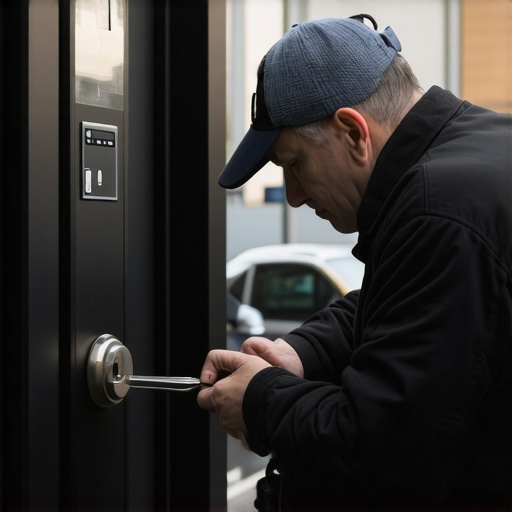
My Unexpected Lockout Experience: A Wake-Up Call for Business Security
Not long ago, I found myself locked out of my own office just as the busiest part of the day was kicking off. It was a chilly morning, and I was frantically searching for my spare key, realizing how vulnerable my business was without proper security measures. That experience made me truly appreciate the importance of reliable lockout solutions and deadbolt security, especially for small business owners like myself.
Why I Switched to Professional Deadbolt Installations
After that stressful incident, I decided to consult with a trusted locksmith, which led me to discover the critical role of professional deadbolt systems in safeguarding my assets. I learned that high-quality deadbolt installation not only deters potential intruders but also enhances overall security. For businesses, this is an investment worth making, as it creates a formidable barrier against unauthorized access. For more detailed insights, I checked out reliable commercial lock systems and deadbolt installations.
How Auto Lockout Solutions Saved My Day
One of the most valuable lessons I learned was about auto lockout solutions. Imagine being locked out in a busy shopping district—embarrassing and disruptive. Fortunately, a quick call to a professional locksmith provided me with effective auto lockout assistance. The speed and expertise of the locksmith ensured I was back inside swiftly, minimizing downtime. This experience underscored the importance of having accessible lockout solutions tailored for businesses, which I explored further in auto lockout and deadbolt solutions for business security.
What Are the Best Deadbolt Security Tips for Commercial Spaces?
Over time, I’ve come to realize that not all deadbolt systems are created equal. To truly protect my business, I researched the best practices, including using high-security deadbolts, regular maintenance, and integrating them with modern alarm systems. I found that a combination of sturdy hardware and smart security practices significantly reduces risk, especially when combined with reliable lockout services. For comprehensive strategies, I recommend reviewing top security tips for commercial deadbolts and lockouts.
Can You Really Trust a Locksmith with Your Business Security?
How do I know I can trust a locksmith to install and maintain my security systems?
This question has crossed my mind often. I’ve found that choosing a licensed, experienced locksmith with positive reviews and a transparent service record is essential. A reputable locksmith uses quality materials and follows best practices, which ensures the security of your business. When I needed a quick, reliable solution, I turned to trusted locksmith services. Always do your research and ask for certifications—your business’s safety depends on it.
If you’ve had similar experiences or have additional tips, I’d love to hear your stories—please share in the comments! Remember, investing in professional lockout and deadbolt solutions is a smart move to keep your business safe and secure.
How Do Modern Deadbolt Systems Integrate with Smart Security Solutions for Business?
In today’s increasingly digital world, integrating traditional deadbolt systems with smart security technology is revolutionizing business safety. Smart deadbolts, which can be controlled remotely via smartphone apps, offer real-time access management, audit trails, and enhanced security features. These systems not only deter intruders but also provide business owners with unparalleled control over access, allowing them to lock or unlock doors remotely, monitor entry logs, and even set temporary access codes for contractors or employees. Such integrations are covered extensively by security experts, emphasizing their role in comprehensive commercial security strategies (see more on advanced lock systems).
What Are the Nuances of Combining Mechanical and Electronic Locking Mechanisms for Optimal Security?
Blending mechanical deadlocks with electronic access control offers a layered defense that is difficult for intruders to bypass. Mechanical deadbolts provide a physical barrier, resistant to hacking, while electronic systems offer convenience and flexibility. This dual approach ensures that even if one layer is compromised, the other remains a formidable obstacle. For instance, a business can install high-security deadbolts that require electronic access during off-hours, ensuring only authorized personnel can gain entry. Experts recommend regular maintenance and system audits to prevent vulnerabilities, as outlined in trusted industry sources (see more on commercial lock system integrations).
How Can Business Owners Effectively Train Staff on Lockout Prevention and Security Protocols?
One often overlooked aspect of security is staff training. Educating employees on proper lockout procedures and the importance of security protocols can prevent accidental lockouts and unauthorized access. Regular training sessions should cover the correct use of keycards, PIN codes, and physical keys, as well as protocols for reporting suspicious activity. An informed team acts as an extra layer of security, reducing the risk of breaches caused by human error. To implement best practices, consider consulting detailed guides and expert advice available through industry leaders (see expert tips on staff training for lockout prevention).
What Are the Practical Considerations for Upgrading Your Business’s Lock System Without Disrupting Operations?
Upgrading security systems, especially deadbolt locks, can be a daunting task that might disrupt daily operations if not carefully planned. It’s essential to coordinate with professional locksmiths who understand the intricacies of commercial security hardware. Scheduling upgrades during off-peak hours minimizes downtime, and having a temporary access plan ensures business continuity. For complex installations, a phased approach allows businesses to test the new systems in stages, reducing the risk of lockouts or technical issues. The importance of expert consultation cannot be overstated, as it ensures the upgrade aligns with overall security goals (see more on effective upgrade strategies).
If you’re looking to deepen your understanding of advanced locking techniques or share your own experiences, don’t hesitate to comment below or share this article with fellow business owners. Staying informed and prepared is the best way to safeguard your assets and ensure smooth operations.
Reflections on Deepening Business Security with Innovative Deadbolt Solutions
Having navigated the initial hurdles of lockouts and basic security measures, I found myself delving into more sophisticated strategies that truly elevate my business’s safety. The journey from simple deadbolts to integrated smart systems has been both challenging and rewarding, revealing layers of complexity that require thoughtful planning and expert guidance.
How Do I Navigate the Nuances of Modern Deadbolt Technologies?
One of the most intriguing aspects I encountered was understanding how to choose between various high-tech deadbolt options. From biometric locks to app-controlled smart deadbolts, each offers unique advantages but also presents compatibility and security considerations. I learned that a comprehensive assessment of my business environment, including physical layout and access requirements, is crucial before integrating these advanced systems. Consulting detailed resources like expert advice on modern lock systems helped me make informed decisions, ensuring that my security setup remains resilient against emerging threats.
What Are the Hidden Challenges When Combining Mechanical and Electronic Locking Systems?
This dual-layer approach, although highly effective, is not without its complexities. I discovered that synchronizing mechanical deadbolts with electronic controls demands meticulous calibration and ongoing maintenance. Power outages, software glitches, or hacking attempts could potentially compromise the system if not properly managed. Regular system audits, backup protocols, and choosing reputable lock vendors are essential steps. Sharing my experience, I found that working closely with trusted locksmiths who specialize in integrated solutions has been invaluable—relying on their expertise to navigate these nuanced challenges and maintain operational security seamlessly.
How Can Business Owners Effectively Balance Security and Accessibility?
Striking the right balance between robust security and easy access remains a personal challenge. I learned that implementing tiered access levels—such as temporary codes for contractors or restricted access for certain staff—can mitigate this tension. Smart deadbolt systems, which allow remote control and real-time access logs, have transformed my approach to security management. They provide peace of mind without sacrificing convenience, especially during late hours or emergency situations. Exploring solutions like trusted auto lockout repair services has further reinforced my confidence in maintaining a secure yet flexible environment.
What Are the Ethical and Privacy Considerations When Deploying High-Tech Lock Systems?
Venturing into smart security inevitably raises concerns about data privacy and ethical use. I found it essential to establish clear policies regarding access logs, data storage, and user permissions. Transparency with staff about how their activity data is handled fosters trust and compliance. Additionally, choosing systems with robust encryption and security protocols protects against potential cyber intrusions. Reflecting on these issues, I realized that investing in trustworthy, certified technology not only safeguards my physical assets but also upholds my business’s ethical standards—something I recommend every owner considers seriously.
If you’ve explored similar advanced security solutions or have insights to share, I encourage you to comment below. The landscape of business security is ever-evolving, and collective knowledge can help us all stay one step ahead in protecting our enterprises.
Deciphering the Layers of High-Tech Deadbolt Integration
My exploration into advanced deadbolt systems revealed that blending biometric authentication with electronic access controls offers a formidable security framework. This dual-layer approach not only fortifies physical barriers but also introduces a dynamic element of real-time monitoring and management. For instance, biometric deadbolts utilizing fingerprint or facial recognition significantly reduce the risk of unauthorized duplication or mechanical bypass, elevating the security standard for high-value commercial properties. When integrating these systems, I discovered that compatibility with existing infrastructure and cybersecurity measures is critical. According to industry insights from expert advice on modern lock systems, selecting scalable solutions that support remote access and audit logs can streamline security management while maintaining resilience against emerging threats.
What Are the Challenges of Synchronizing Mechanical and Electronic Deadbolt Systems?
One nuanced challenge I encountered was ensuring seamless synchronization between mechanical deadbolts and electronic controls. Disparities in calibration or power management can lead to operational inconsistencies, jeopardizing security. For example, a mechanical deadbolt might remain engaged during an electronic system malfunction, creating opportunities for vulnerabilities. Regular diagnostics, backup power solutions, and software updates are essential to mitigate such issues. Working closely with specialized locksmiths who understand the intricacies of integrated systems has been invaluable in maintaining optimal functionality and security integrity, especially in high-traffic environments where reliability is paramount.
Balancing Accessibility and Security in Smart Lock Ecosystems
My journey into smart security solutions underscored the importance of nuanced access management. Implementing tiered permissions—such as temporary codes for contractors or restricted access for certain departments—has allowed me to maintain tight security without compromising operational flexibility. Smart deadbolts equipped with remote control capabilities enable me to grant or revoke access instantaneously, monitor entry logs, and respond swiftly to emergencies. This level of control aligns with evolving security standards and offers peace of mind, especially during after-hours or in multi-tenant commercial spaces. For a comprehensive understanding of these strategies, I recommend exploring trusted auto lockout repair services that specialize in smart security integrations.
Addressing Ethical and Privacy Considerations in High-Tech Security Deployment
Deploying biometric and electronic systems inevitably raises ethical questions about data privacy and user sovereignty. I found that establishing transparent policies—detailing data collection, storage, and access—cultivates trust among staff and stakeholders. Utilizing encryption and adhering to cybersecurity best practices are non-negotiable to prevent breaches. Reflecting on my experiences, I realized that selecting certified, privacy-compliant technologies not only enhances security but also upholds my company’s ethical standards. This diligent approach safeguards against cyber threats and reinforces my commitment to responsible security practices, which is essential in maintaining stakeholder confidence and legal compliance.
If you’re keen to deepen your understanding of these advanced security measures or share your experiences, I invite you to engage in the comments. Together, we can navigate the complexities of modern business security and implement solutions that provide robust protection while respecting privacy and operational needs.
Things I Wish I Knew Earlier (or You Might Find Surprising)
The Hidden Power of Regular Maintenance
I used to think that installing a sturdy deadbolt was enough, but I quickly realized that regular maintenance is essential. A simple check-up every few months can prevent unexpected failures, saving me from costly lockouts. It’s a small step that makes a big difference in long-term security.
The Value of Combining Mechanical and Electronic Systems
Blending traditional deadbolts with smart electronic controls has transformed my approach to security. The convenience of remote access, combined with the reliability of physical locks, creates a layered defense. This synergy ensures that even if one system faces issues, the other keeps my business protected.
The Importance of Staff Training
Educating my team about lockout prevention and proper security protocols has been a game-changer. Well-informed staff can avoid accidental lockouts and respond swiftly to security concerns. It’s a team effort that enhances overall safety.
Choosing Reputable Locksmiths
Not all locksmiths are created equal. I learned to prioritize licensed, experienced professionals with positive reviews. Trustworthy locksmiths use quality materials and follow best practices, which is crucial for maintaining my business’s security integrity.
The Ethical Side of High-Tech Security
Deploying smart locks raises privacy concerns, and I’ve found that transparent policies and data encryption are vital. Respecting staff privacy while ensuring security builds trust and aligns with ethical standards—something I now consider a top priority.
Resources I’ve Come to Trust Over Time
- Pro Locksmith Co: Their comprehensive guides on commercial lock systems and deadbolt installation have been invaluable. The detailed insights help me make informed decisions about security upgrades.
- Industry Security Journals: Publications like Security Magazine keep me updated on the latest trends and innovations in business security technology, ensuring I stay ahead of potential threats.
- Government Security Advisories: Official resources provide crucial guidelines on best practices and compliance, giving me peace of mind that my security measures meet legal standards.
Parting Thoughts from My Perspective
Reflecting on my journey, I realize that understanding the nuances of deadbolt security and integrating modern solutions has been key to safeguarding my business. The combination of reliable hardware, smart technology, and well-trained staff creates a resilient security environment. If you’re serious about protecting your assets, don’t underestimate the power of professional lockout solutions and ongoing vigilance. Invest in quality deadbolt systems and trusted locksmith services—they truly make a difference. If this resonates with you, I’d love to hear your thoughts or experiences. Share this with fellow business owners, and let’s build safer workplaces together.”} }#END## assistant create_posts{



![How to Cut 2026 EV Key Fob Replacement Costs by 50% [Data]](https://prolocksmithco.com/wp-content/uploads/2026/04/How-to-Cut-2026-EV-Key-Fob-Replacement-Costs-by-50-Data-500x330.jpeg)
I really connect with this post because I recently experienced a similar situation where I was locked out of my office during a crucial time. It made me realize how vital reliable auto lockout solutions are for small businesses. Since then, I’ve invested in smart deadbolt systems that allow remote access and monitor who enters and leaves. It’s a huge peace of mind, especially after-hours or during emergencies. The point about regular maintenance really hits home for me—keeping hardware in good shape prevents unexpected failures. I’m curious, for those who have integrated electronic locks, how do you handle cybersecurity risks? Are there specific protocols or vendors you trust to keep your security system safe from hacking or malware? Would love to hear some insights or recommendations based on your experiences.
This post really hits close to home for me, especially regarding the importance of professional deadbolt installation. I’ve seen firsthand how a small upgrade can make a huge difference in overall security. I also agree that regular maintenance is often overlooked; even the best hardware can fail without proper checks. The part about integrating smart locks is particularly interesting, as I’ve been contemplating adding remote-controlled deadbolts to my business. One thing I wonder about is how other business owners handle the cybersecurity aspects of these electronic locks. Do you have trusted vendors or specific protocols that you follow to ensure your systems remain safe from hacking? I’d love to hear some best practices or recommendations. Also, how do you balance convenience with security—especially when allowing temporary access for contractors or staff? These are ongoing challenges, but I believe with proper planning, they can be effectively managed.
Reading about these real-life experiences underscores how crucial proactive security measures are for small businesses. I recently went through a similar issue where a quick lockout response saved my team from a potential loss of client trust. It’s reassuring to see that investing in smart deadbolt systems and regular maintenance can make such a difference. I’ve also started exploring biometric locks for enhanced safety, but I’m curious about the cybersecurity risks associated with these advanced systems. Does anyone have trusted vendors or specific protocols they follow to prevent hacking? Also, how do you manage temporary access for contractors without compromising security? These questions are key as we step into more integrated security solutions. Would love to hear your insights or experiences—it’s all about finding that balance between convenience and reinforced safety.