
Have you ever been locked out of your business in the middle of a hectic workday? That sinking feeling, the frantic search for your keys or access code—I’ve been there, and let me tell you, it’s more than just a minor inconvenience. It’s a moment that exposes just how vulnerable your business security can be if you’re not prepared. One time, I found myself stranded outside my own office, unable to get in because of a faulty lock mechanism. It was a wake-up call that I can’t afford to ignore anymore.
Why Business Lockout Solutions Matter More Than Ever
In today’s fast-paced world, a lockout isn’t just an annoyance—it can severely disrupt your operations, lose you clients, or even compromise your security. According to the National Locksmith Association, commercial lockouts are among the top security concerns for business owners, especially with the increasing sophistication of lock systems and the risk of unauthorized access. If you don’t have reliable lockout and deadbolt solutions, you’re leaving your business exposed to unnecessary risks.
What I realized early on is that investing in the right auto lockout and deadbolt solutions can make all the difference. Having experienced the frustration firsthand, I committed to understanding the most effective strategies to safeguard my business. Today, I want to share what I’ve learned, so you don’t have to go through the same stress. Whether you’re dealing with a broken lock, a lost key, or just want to upgrade your security, there are proven solutions that can restore your peace of mind.
Have you faced a similar lockout nightmare that left you scrambling? If so, you’re not alone. Many business owners overlook the importance of proactive security measures until it’s too late. That’s why I’ve made it a priority to learn from my mistakes and to ensure my business is protected with reliable, quick-response lockout strategies.
In the sections ahead, I’ll walk you through practical tips and trusted methods to prevent lockouts, quickly regain access when they happen, and upgrade your security system using top-tier deadbolt solutions. The goal is simple: to help you keep your business secure, accessible, and resilient against emergencies. Ready to learn how to turn a potential disaster into a manageable situation? Let’s dive in.
Assess Your Current Lockout Risks and Systems
Start by conducting a thorough audit of your existing lock and security setup. Walk through your premises and identify vulnerable points—locks that are outdated, easily bypassed, or prone to failure. For example, I once discovered my main entrance lock was a simple tumbler system that could be picked easily. Replacing such weak points with more robust solutions is crucial. Document these vulnerabilities to prioritize upgrades.
Select the Right Deadbolt and Lockout Solutions
Invest in high-quality deadbolts designed for commercial use. Look for features like pick resistance, drill protection, and smart lock compatibility. When I upgraded my office locks, I chose commercial-grade deadbolts that offered keyless entry options, reducing the risk of lost keys and lockouts. Use trusted providers and consult experts—effective deadbolt lockout solutions can be a game changer.
Implement Preventive Measures to Avoid Lockouts
Regular Maintenance and Inspection
Schedule routine checks to ensure locks operate smoothly. Lubricate moving parts and replace worn keys or damaged cylinders promptly. I set quarterly reminders, and this practice saved me from unexpected lock failures during busy hours.
Upgrade to Digital or Smart Locks
Smart locks offer remote access, temporary codes, and activity logs. I installed a smart deadbolt that I can control via my phone, which was invaluable when I accidentally locked myself out. These systems significantly reduce the chances of being stranded outside.
Establish Quick Response Procedures
Have a trusted locksmith service on speed dial—know their contact details and typical response times. I kept a card in my office drawer with contact info for a local 24/7 locksmith, which I used during a late-night lockout. Quick access to professional help minimizes downtime and security risks. For reliable lockout services, see auto lockout and deadbolt services.
Train Staff on Lockout Protocols
If you have employees, ensure they understand how to handle lockouts and use access systems properly. I held a quick training session, emphasizing the importance of not forcing locks or using unauthorized tools, which can cause damage or security breaches. Clear protocols empower staff to respond appropriately and prevent accidental lockouts.
Upgrade Security with Advanced Locks
Consider integrating multiple layers of security—combination of deadbolts, electronic access control, and surveillance. I added CCTV cameras that monitor entry points, which act as both deterrents and evidence sources. Leveraging modern security solutions from trusted providers can boost your overall resilience.
Remember, proactive measures and swift action can turn a potential lockout disaster into a manageable situation. For more detailed guidance on installing robust systems, visit reliable auto lockout and deadbolt installation tips.
Many business owners operate under misconceptions about lockout prevention and deadbolt security, often leading to costly mistakes. While it’s tempting to believe that installing the most expensive lock is enough, the reality is far more nuanced. Let’s dig deeper into what most people get wrong about auto lockout and deadbolt solutions.
Myth 1: All Locks Offer the Same Level of Security
A prevalent misconception is that all locks provide equal protection. In truth, the quality and design of your lock can make a significant difference. For example, low-grade tumbler locks are easily picked or bypassed, creating vulnerabilities. Upgrading to commercial-grade deadbolts with pick-resistant features is essential for robust security. Remember, a lock’s resistance to physical attacks and picking isn’t just about brand—it’s about specific features.
Myth 2: Digital Locks Are Foolproof
Many assume that smart or digital locks eliminate the risk of lockouts. While they add convenience, they are not invulnerable. Common pitfalls include battery failures, hacking vulnerabilities, or user error. For instance, relying solely on digital locks without backup keys or manual overrides can backfire during power outages or system failures. A balanced approach combines digital security with traditional lock backup systems to ensure continuous access.
Oops! The Hidden Trap: Overlooking Maintenance and Staff Training
One of the most overlooked aspects is regular maintenance and staff training. A lock that appears secure can become a vulnerability if it’s dirty, corroded, or misaligned. Additionally, untrained staff might inadvertently cause lockouts by forcing locks or mishandling digital systems. Scheduled inspections, lubrication, and staff education can prevent these issues. It’s a mistake to assume that once installed, a lock system is maintenance-free or foolproof.
How Can Advanced Lock Solutions Actually Fail?
Even the most advanced lock systems can fail if not properly integrated or maintained. For example, electronic access controls require firmware updates and cybersecurity measures. Neglecting these can expose your business to hacking or malfunctions. Experts recommend a layered security approach—combining physical deadbolts, electronic access, and surveillance—to mitigate these risks. For detailed strategies, see effective commercial lock systems.
Have you ever fallen into this trap? Let me know in the comments. Staying informed and vigilant about these nuanced issues can save your business from unexpected lockout emergencies and security breaches.
Keeping Your Lock System in Peak Condition
To ensure your business security remains reliable over time, regular maintenance of your lock systems is critical. I personally schedule quarterly inspections, which involve lubricating moving parts with high-quality graphite lubricant—never oil-based products that can attract dirt and cause jams. This simple step prevents corrosion and keeps locks operating smoothly. Additionally, I periodically check electronic components of smart locks to ensure firmware is up-to-date, reducing vulnerability to hacking.
Tools I Trust for Lock Maintenance
One essential tool I rely on is a precision lock-picking set for diagnostics. While I don’t use it for unauthorized entry, having a professional-grade set helps me understand lock vulnerabilities and perform minor adjustments without calling a locksmith unnecessarily. For physical maintenance, a high-quality silicon-based lubricant spray is invaluable, as it’s designed specifically for locks and prevents gumming or sticky mechanisms. For digital lock systems, I use secure remote management software that allows me to monitor access logs and perform remote resets when needed.
Long-Term Security Through Technology
Investing in durable, high-grade deadbolts and digital locks with encrypted communication ensures long-term resilience. I recommend smart locks that support two-factor authentication and have tamper alarms—these features add layers of security and provide peace of mind. Over time, I’ve found that integrating surveillance systems with lock management provides real-time insights and helps quickly identify potential breaches or lock malfunctions. As technology advances, I believe the future will see even more AI-driven security solutions that predict and prevent lock failures before they happen.
How do I maintain my lock systems over time?
Consistent checks, timely replacements of worn parts, and software updates are my go-to practices. I also keep a detailed log of maintenance activities and lock ages, which helps me plan upgrades proactively. For instance, I replaced my old mechanical deadbolts with smart, keyless systems after five years to enhance convenience and security. Regularly reviewing access logs from digital locks helps me spot unusual activity early, preventing potential lockouts or breaches.
To stay ahead of vulnerabilities, I always follow expert advice. For example, consulting the latest manufacturer guidelines and cybersecurity best practices—such as those outlined by security professionals like CISA—ensures my systems are resilient against evolving threats. If you want to upgrade your security, I recommend trying out advanced remote management features of smart locks, which allow you to monitor and control access even when you’re away. This proactive approach can save you time and stress in the long run.
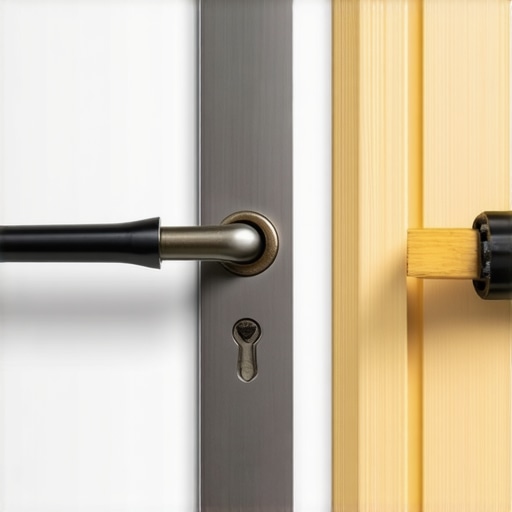
The Hardest Lesson I Learned About Business Lockouts
One of the toughest realizations was understanding how a simple lock failure can halt an entire operation. I once faced a lockout during peak hours, and it taught me that proactive maintenance and reliable lock solutions are essential to prevent downtime. This experience underscored the importance of regular inspections and choosing high-quality deadbolts that resist tampering.
3 Myths About Business Lockouts That Held Me Back
Believing that digital locks are foolproof or that all locks offer the same security can be costly mistakes. I used to think that smart locks would eliminate all lockout risks, but power failures or hacking can still pose threats. Separating fact from fiction helped me adopt a layered security approach, combining digital systems with traditional deadbolts for maximum protection.
What Experts Won’t Tell You About Deadbolt Security
Many overlook the importance of regular maintenance and staff training. Even the best deadbolt can fail if neglected or mishandled. I learned that scheduling routine inspections, lubricating moving parts, and educating my team about proper lock use significantly reduce lockout incidents. This proactive mindset keeps my business secure and accessible at all times.
Curated Resources to Elevate Your Lockout Defense
My Essential Toolkit for Business Security includes trusted products and services that I rely on daily. The effective deadbolt lockout solutions are a cornerstone of my security strategy, offering quick response and durability. For comprehensive guidance, I turn to books like “The Art of Secure Business” which provide in-depth insights into modern lock systems and best practices. Additionally, I follow cybersecurity updates from CISA to stay ahead of electronic lock vulnerabilities.
Your Turn to Try: Strengthen Your Business Security Today
Remember, understanding your lock system’s vulnerabilities and adopting layered security measures can turn potential lockout disasters into manageable incidents. Take the time to assess, upgrade, and train—your business’s safety depends on it. Don’t wait for a lockout to realize the importance of proactive security; start today and enjoy peace of mind tomorrow.



![How to Cut 2026 EV Key Fob Replacement Costs by 50% [Data]](https://prolocksmithco.com/wp-content/uploads/2026/04/How-to-Cut-2026-EV-Key-Fob-Replacement-Costs-by-50-Data-500x330.jpeg)