
The Reality of the Digital Handshake
I teach my apprentices that if you have to force the key, you’ve already lost. That wisdom applies to mechanical brass, but in the modern age, it applies even more to the digital handshake occurring between your car’s ignition and the transponder chip. I have spent over twenty-five years at the bench, watching the industry shift from simple metal wafers to complex 128-bit encrypted signals. People come into my shop every week, shell-shocked after a dealership quoted them five hundred dollars for a single spare key. They think it is magic. It is not magic. It is a physics problem involving induction loops and radio frequency identification. If you want to skip the dealership markup, you need to understand the mechanics of the immobilizer system and the precise steps required to introduce a new credential to the vehicle’s computer. This is not about being a hacker. It is about understanding the tools of the trade and the limitations of the hardware sitting in your pocket.
“Authentication is the foundation of access control, whether it is a brass key or a digital handshake.” – Access Control Manual
The core of the system is the transponder. This is a tiny chip, often no larger than a grain of rice, embedded in the plastic head of your key. It does not have a battery. It relies on an induction coil, often called an exciter or antenna ring, located around the ignition cylinder. When you turn the key, the car sends a burst of energy through that coil. This creates a magnetic field that powers the chip just long enough for it to broadcast its unique ID. If the Engine Control Unit (ECU) does not see the ID it expects, it cuts fuel or spark. This is why a simple metal copy of your key will turn the engine over but never let the car stay running. It is a more advanced version of the same logic used in fingerprint lock reliability tests where a specific biometric signature must match the stored template before the relay fires. In the automotive world, we call this the immobilizer logic.
The Anatomy of the Transponder Chip
Not all chips are created equal. You have fixed code chips, which are the old guard, and rolling code chips, which change their identity every time you start the car. Most modern vehicles utilize Megamos, Philips, or Texas Instruments chips. When you buy a cheap key online, you are often getting a low-quality clone chip encased in brittle plastic. I have seen these chips fail after a single summer of sitting in a hot dashboard. The internal copper windings of the induction coil inside the chip are thinner than a human hair. If the solder joints are weak, the vibration of driving will eventually sever the connection, leaving you stranded. This is similar to the issues we see with door lock jamming fixes 2026 where poor material science leads to mechanical fatigue. If you are going to program your own key, buy a high-quality blank that uses a carbon or glass transponder. Do not trust the five-dollar specials if you value your time and your engine’s reliability.
The On-Board Programming (OBP) Method
For many older vehicles, you do not need a three-thousand-dollar tablet to program a key. You can use what we call the On-Board Programming method. This is essentially a secret dance you perform with the vehicle. For example, on many older Ford or Toyota models, the process involves a specific sequence of inserting the original key, turning it to the ‘On’ position without cranking, and then cycling the locks or the ignition within a precise window of time, usually five to ten seconds. This sequence tells the ECU to enter ‘Learn Mode.’ Once in this mode, you insert the new key, and the computer records the new transponder ID into its memory. This is the most cost-effective way to avoid the dealer. However, most manufacturers have phased this out to protect their dealership service revenue. They now require a direct connection to the OBDII port to authorize new keys.
Hardware and Software: The OBDII Path
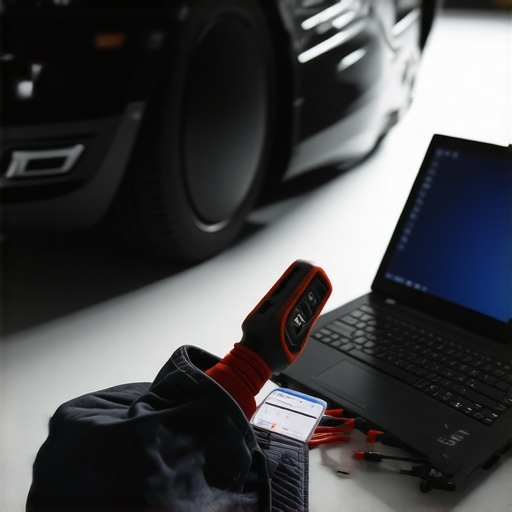
If your car was made in the last decade, you likely need an OBDII programming tool. You do not have to buy the master-grade tools I use in my shop. There are consumer-grade devices available that can perform a single-vehicle marriage. These tools plug into the port under your steering wheel and communicate directly with the immobilizer module. The process involves clearing out old ‘ghost’ keys and adding the new one. This is where business access control audits 2026 become relevant. Just as a business needs to know who has access to their building, your car’s computer maintains a list of authorized keys. If you buy a used car, I always recommend wiping the existing key memory and re-adding only the keys you have in your hand. This ensures that a previous owner or a valet does not have a functional key to your vehicle. It is the same logic as reviewing access logs for smart locks to ensure no unauthorized entries have occurred.
“The lock is only as strong as the weakest point in the system.” – Security Principle
When using these tools, you must be careful. If you lose power during the write process, you can brick the immobilizer module, turning your car into a very expensive paperweight. I always tell people to hook their car up to a battery tender before starting a programming cycle. Modern car computers are sensitive to voltage drops. A dip of even half a volt can cause a write error in the EEPROM chip. This technical precision is why I am often skeptical of keyless entry systems pros and cons when discussed by amateurs. The convenience of a digital interface always comes with the risk of software corruption or hardware failure if the proper protocols are not followed.
The Physics of Signal Interference
One reason many DIY programming attempts fail is signal interference. If you have another transponder key on the same ring, the antenna ring might get confused by the two signals hitting it at once. This is a common issue with 24/7 mobile locksmith for apartments who find that tenants’ smart fobs interfere with their car keys. When programming, keep all other keys at least ten feet away from the vehicle. Furthermore, check the environment. High-power electrical lines or even some high-output LED shop lights can create enough electromagnetic interference to disrupt the handshake. This is especially true during lock maintenance tips for winter 2026 when the cold can affect the resistance of the antenna coil. Metal is a conductor, and cold metal has different electrical properties than warm metal. If your key will not program on a zero-degree morning, try warming the ignition area with the car’s heater first.
Mechanical Cutting: The Often Forgotten Step
Even if you master the transponder programming, you still have the physical blade to deal with. Most modern cars use ‘laser-cut’ or sidewinder keys. These are not cut with a traditional saw blade but are milled out with a high-speed carbide bit. You cannot do this with a file or a cheap hardware store machine. If the cut is off by even a few thousandths of an inch, it will cause premature wear on the split-tumblers inside the ignition cylinder. In my shop, I see the result of ‘trunk slammer’ locksmiths who use dull cutters. The key feels ‘crunchy’ when it turns. This is the sound of brass being shaved off by the internal wafers. Over time, this debris builds up and causes the cylinder to seize. If you are going for a DIY approach, you can often find services that will cut a key from a high-resolution photo. Just ensure you are using a reputable source that understands the importance of precise tolerances.
Comparing Automotive Security to Commercial Systems
The logic of automotive transponders is moving closer to commercial master key system advantages for businesses every year. We are seeing more ‘Key as a Service’ models where the physical key is secondary to the digital authorization. As we look toward the future, the integration of smart lock hacking prevention tips into the automotive world is becoming essential. Car thieves are no longer using slim-jims. They are using relay boxes to intercept the signal from your key while it sits on your kitchen counter. This is why I tell my customers that a deadbolt is only part of the solution. You need a holistic approach. For your car, that means using a Faraday pouch for your fobs and ensuring your transponder data is never stored in an unencrypted format. The same rules apply to your home and business security. A lock is a deterrent, but a system is a solution.
Maintenance for Long-Term Reliability
Once you have successfully programmed your key, you must maintain the hardware. I despise WD-40 for locks. It is a solvent, not a long-term lubricant. It attracts dust and turns into a gummy paste that will eventually trap the wafers in your ignition. Use a high-quality PTFE or graphite-based lubricant, and only use a tiny amount. This is vital for maintaining the longevity of your hardware. As the industry moves toward 2026, the complexity of these systems will only increase. Whether you are dealing with a standard transponder or looking at business access control audits 2026 for your fleet, the fundamentals remain the same: quality hardware, precise programming, and regular maintenance. If you follow these steps, you can successfully bypass the dealership and take control of your own vehicle security without sacrificing the integrity of the system.
Comments are closed.