Lost Hybrid Key? Why Locksmiths Save You $300 Over Dealers in 2026 I teach my apprentices that if you have to force the key, you’ve already lost. In 2026, that lesson carries more weight than ever, though the ‘key’ is now a 128-bit encrypted signal rather than a piece of brass. I’ve spent twenty-five years at the bench, watching security evolve from simple wafer locks to the complex wireless ecosystems we see in modern hybrids. When a customer calls me because they’ve lost their last proximity fob for a 2026 hybrid, they are usually in a state of panic, convinced…
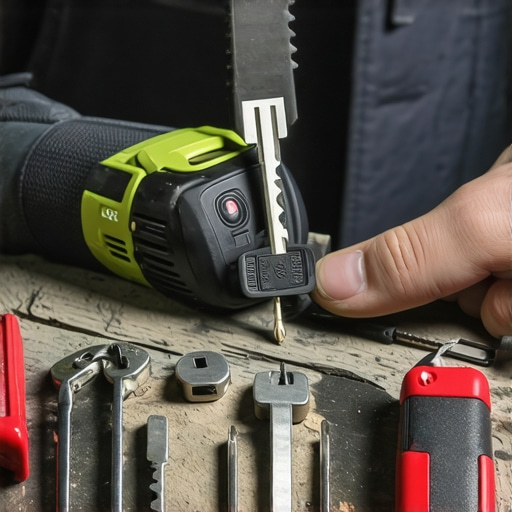
The Apprentice’s First Lesson: Metal Doesn’t Lie I teach my apprentices that if you have to force the key, you’ve already lost the battle against physics. Most people think a lock is just a piece of metal, but after twenty-five years behind the bench in a real brick-and-mortar shop, I see it as a mechanical dialogue. When a student comes to me and says a cylinder is stuck, I tell them to listen. Is it the pins binding? Is it the springs fatiguing? Or is it the cheap zinc housing warping under the pressure of a poorly hung door? In…
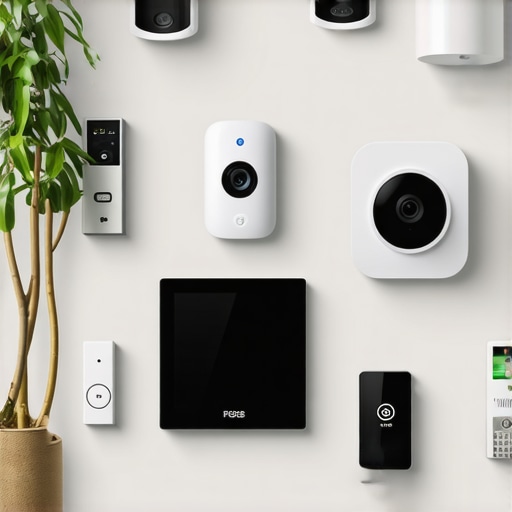
The Illusion of Digital Safety: A Burglars Perspective Most homeowners in 2026 are obsessed with their apps and notifications, but they forget that a burglar doesn’t need to hack your 256-bit encryption if they can just kick through a piece of soft pine. I have spent 25 years watching the evolution of security hardware, and I can tell you that the physics of a door remain unchanged. A burglar looks for the easiest path of resistance, which is usually the physical gap between a high-tech smart lock and a low-tech door frame. When you buy the best smart locks compatible…
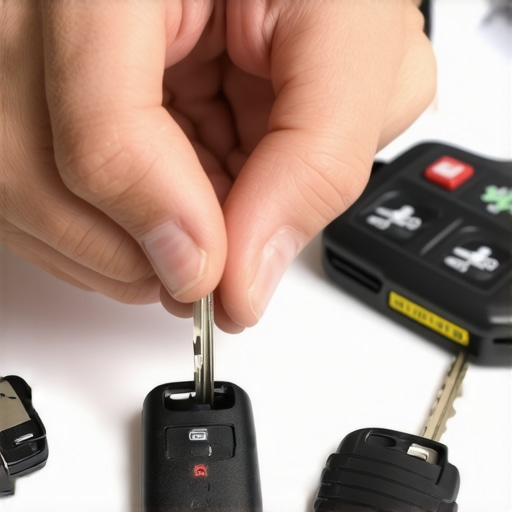
The Apprentice Lesson: A Microchip is Not a Screwdriver I teach my apprentices that if you have to force the key, you’ve already lost. But in 2026, the lesson has shifted from the physical bitting of a brass blade to the invisible handshake of a transponder chip. Last week, I watched a young kid—an apprentice who thinks he knows it all because he can use a smartphone—try to force a cloned key into a 2026 crossover ignition. He didn’t understand that the mechanical fit is only 10% of the job. I had to pull him aside and explain that a…
The Apprentice’s First Lesson: Physics Over Plastic I teach my apprentices that if you have to force the key, you’ve already lost. It is a simple mantra, but one that most modern facility managers in the co-working sector forget the moment they see a shiny touchscreen. Security isn’t a software subscription; it is a physics problem. When you are managing a high-turnover environment like a co-working space in 2026, you aren’t just fighting burglars; you are fighting friction, kinetic energy, and the inevitable degradation of cheap alloys. I have spent 25 years at the bench, and I can tell you…
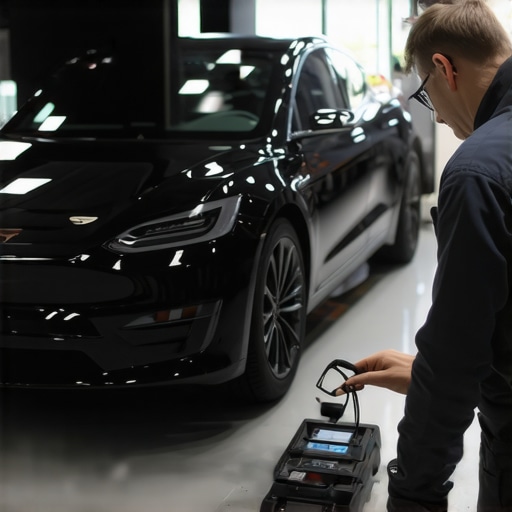
The 3 AM Hybrid Crisis: A Lesson in Modern Key Physics I once had a customer call me at 3 AM because she was stranded in a parking garage with a 2026 Toyota Prius and a missing proximity fob. It was fifteen degrees outside, and the local dealership had already quoted her $750 for a tow and a replacement. She was panicking, but I told her to stay put. Most people think a car key is just a piece of plastic and metal. In reality, a 2026 hybrid key is a complex radio transceiver that engages in a high-speed cryptographic…
The $29 Bait and the Drill-First Mentality You are standing on your porch, the sun is setting, and the door won’t budge. You pull out your phone, search for a locksmith, and see a sponsored ad promising a $29 service call and a 15-minute arrival. If you call that number, you have likely already been robbed; you just do not know it yet. As a locksmith with over 25 years at the bench, I see this tragedy play out weekly. These ‘trunk slammers’ are not technicians; they are predatory subcontractors with a drill and a 1-800 number. They do not…
The Harsh Reality of Commercial Security Walk through any office park and I can spot the vulnerabilities from fifty paces. Most business owners think a heavy door means safety. It doesn’t. Security isn’t about the weight of the steel; it’s about the physics of the locking mechanism and the integrity of the person who installed it. After 25 years at the bench, I’ve seen every shortcut in the book, from ‘trunk slammers’ using drywall screws to secure strike plates to ‘big box’ hardware that shears off under twenty pounds of lateral pressure. A lady came into my shop recently, nearly…
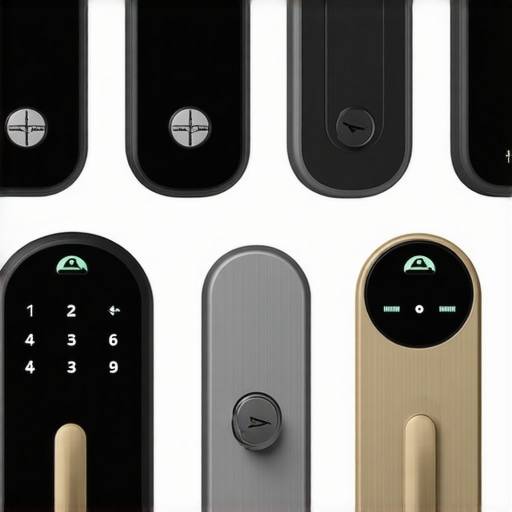
The Physics of Modern Access: Why Touchless Office Entry is the 2026 Standard I’ve spent over twenty-five years behind a locksmith bench, and if there’s one thing I’ve learned, it’s that a lock is not a gadget—it’s a physics problem. Most people look at a door and see a handle; I see shear lines, torque requirements, and potential points of catastrophic failure. As we head into 2026, the landscape of commercial security is shifting away from the physical brass key toward touchless entry systems for offices. This isn’t about following a trend; it’s about addressing the inherent mechanical weaknesses of…
The Crunch of Failure: Why Your Lock is Fighting You I teach my apprentices that if you have to force the key, you’ve already lost the battle against physics. In my twenty-five years behind the bench, I’ve seen thousands of cylinders mangled because a homeowner thought more torque was the solution to a sticking mechanism. It isn’t. When a lock starts to bind, it’s a physical cry for help from the pins and springs inside that brass housing. In 2026, we are seeing a flood of cheap, zinc-cast hardware hitting the market, and these ‘big box’ specials are failing at…