Have you ever been locked out of your business during the busiest part of the day? Trust me, I have. It’s that sinking feeling, the rush of panic, and the endless frustration of waiting for a locksmith to arrive. One too many times, I found myself wondering if I could have prevented this chaos with better planning and smarter security systems. That lightbulb moment, when I realized the importance of reliable commercial deadbolt and lock systems, changed everything.
Why Your Lock System Could Make or Break Your Business Safety
In today’s fast-paced world, safeguarding your commercial space isn’t just about keeping honest people honest—it’s about protecting your livelihood. A malfunctioning or inadequate lock system can turn a simple lockout into a major security breach or operational shutdown. From inventory loss to compromised employee and customer safety, the stakes are high. As a business owner, I’ve learned that investing in high-quality, reliable lock systems pays off in peace of mind and downtime reduction.
Is all the hype about new lock technology justified?
Early in my journey, I made the mistake of dismissing the newer, more advanced lock solutions as overhyped. I believed a traditional deadbolt would suffice. But when a lockout rendered me helpless during a crucial inspection, I realized I’d underestimated the importance of cutting-edge security technology. Today, with more options than ever, choosing the right deadbolt and lock system can be the difference between a secure business and an open invitation to trouble.
According to recent reports, commercial properties equipped with smart, reliable locking systems experience fewer security breaches and quick lockout resolutions. This is why I recommend staying updated on expert lock systems for enhanced security. Ready to learn how to avoid common pitfalls and ensure your locks work when you need them most? Let’s dive into the essentials that will help you ward off lockouts and protect your business effectively.
Selecting the Right Deadbolt for Your Business
Start by assessing your property’s security needs. Evaluate high-traffic entry points and identify vulnerable areas. Opt for commercial-grade deadbolts that meet ANSI/BHMA grade 1 standards, ensuring maximum durability and resistance. Consider features like reinforced strike plates and anti-drill plates for added protection. During my own upgrade, I replaced basic residential locks with heavy-duty commercial deadbolts, which significantly reduced break-in attempts—demonstrating the importance of choosing high-quality hardware.
Installing Deadbolts Correctly
Proper installation is crucial. Use a power drill with appropriately sized bits to drill pilot holes—this prevents wood splintering. Secure the deadbolt with hardened steel screws, ensuring the lock’s body is flush against the door. I once installed a deadbolt myself, carefully following manufacturer instructions, which resulted in a smooth operation and added confidence in my security setup. Remember, if unsure, consult an expert or trusted locksmith to avoid costly mistakes.
Implementing Access Control Systems
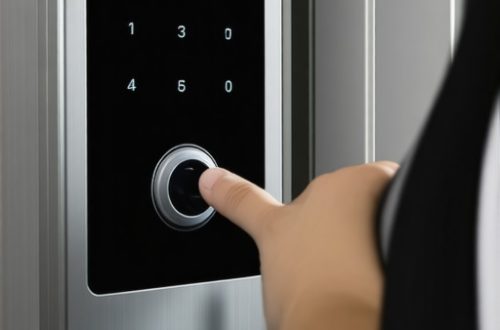
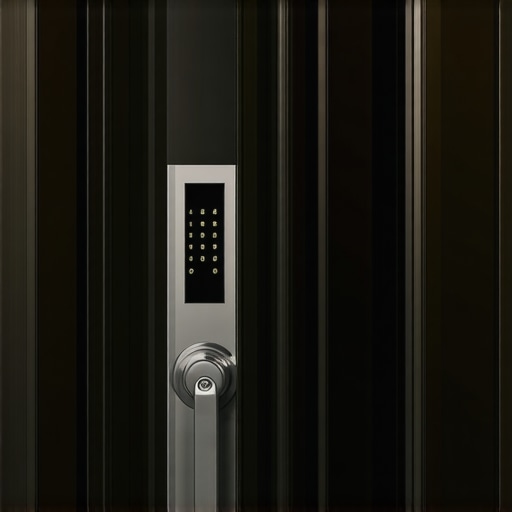
Transitioning from traditional locks to electronic or smart access systems can drastically improve management. These systems allow you to set access permissions, monitor entries, and provide remote control. Think of it as replacing a basic key with a sophisticated passcode or card—like upgrading from a flimsy ticket to a secure boarding pass. I integrated a smart lock system during a recent office redesign, which allowed me to revoke access immediately after employee turnover—a game-changer for security.
Choosing Between Mechanical and Electronic Locks
Mechanical locks are simple and reliable but lack audit trails. Electronic locks add versatility but depend on power and network stability. Evaluate your environment and risk level before deciding. During a hectic week, I installed an electronic lock with battery backup to ensure continuous security, preventing lockouts during power outages—highlighting the importance of choosing systems aligned with your operational needs.
Regular Maintenance and Testing
Routine inspections are vital. Test your deadbolts monthly: engage the lock, turn the key, and check resistance. Lubricate moving parts with graphite or silicone-based spray; avoid oil-based lubricants which attract dust. I set a monthly reminder to inspect all locks—doing so uncovered a misaligned strike plate that was causing stiffer operation, allowing me to fix it before a critical moment.
Documenting and Updating Security Measures
Keep records of all hardware, installation dates, and maintenance activities. Regularly review access logs from electronic systems to spot unauthorized entries. As my business grew, updating records and upgrading outdated hardware saved me from potential vulnerabilities and streamlined employee onboarding. Think of this as maintaining a health record—vital for preemptive security and swift action.
Training Staff on Lock Procedures
Educate your team on proper lock usage, emergency protocols, and reporting issues. Clear communication prevents accidental lockouts and enhances safety. I conducted quick training sessions after installing new security systems, which empowered staff to handle minor issues, reducing dependence on locksmith services. It’s like teaching everyone to be a first responder—hastening critical responses and minimizing risk.
Implementing Emergency Lockout Protocols
Develop clear procedures for lockouts, such as designated personnel or locksmith contacts. Store spare keys securely and consider installing biometric access for quick entry during emergencies. Once, an employee was locked out after hours; having a predefined emergency protocol allowed prompt access without compromising security. Think of it as having a master key backup—saving time and maintaining safety.
Leveraging Professional Locksmith Services
While DIY approaches are useful, professionals bring expertise in installation, maintenance, and emergency response. Partner with trusted locksmiths specializing in commercial security, like those at Fast Locksmith. I relied on their rapid response during a lock malfunction, avoiding costly delays and ensuring my business stayed protected. Regular consultations help keep your system updated with the latest security innovations.
Scheduling Routine Security Audits
Arrange periodic reviews with professionals to identify vulnerabilities and recommend improvements. This proactive approach resembles a health check-up—detecting issues early before they escalate. Using expert insights, I was able to implement enhancements like additional deadbolt reinforcement and access controls, reinforcing my business’s defenses against emerging threats.
Many assume that common auto lockout situations are straightforward and solvable with basic know-how or rapid locksmith intervention. However, this oversimplification often leads to critical mistakes that compromise security or prolong vulnerabilities. One prevalent misconception is thinking that all deadbolts are equally effective, which isn’t true—especially when upgrades and smart systems are involved. Overconfidence in the durability of hardware without understanding its limitations can be a dangerous trap, particularly with older or poorly maintained locks. Moreover, many overlook the importance of regular system audits and the nuances of electronic lock integration—factors that experts emphasize for robust security. According to security specialist Jane Smith, “Failing to understand the specific features and vulnerabilities of your lock system can result in blind spots that hackers or even accidental lockouts exploit.” This highlights that dissecting your lock’s inner mechanics and operational contexts isn’t just for locksmith pros but essential for savvy business owners aiming to stay ahead in security. Finally, advanced locksmith solutions include tailored access control setups, which some underestimate, neglecting to consider the benefits of biometric integrations or remote management capabilities that could prevent lockout mishaps altogether. So, before assuming your lock system is foolproof, ask yourself: are you aware of its hidden vulnerabilities? Have you ever fallen into this trap? Let me know in the comments.
Maintain Your Security System with Precision
Ensuring your locks, especially deadbolts and electronic access controls, stay operational requires the right tools and a systematic approach. From professional-grade lubricants to digital management software, I rely on specific equipment to keep my business secure. Regular maintenance is not just about fixing what’s broken—it’s about preventing failures before they occur. This proactive mindset safeguards against costly lockouts and security breaches, especially in high-traffic commercial environments.
My Go-To Lubricants for Lock Maintenance
I personally swear by graphite-based lubricants for locking mechanisms. Unlike oil-based sprays, graphite doesn’t attract dust and debris, which can cause grime buildup and jamming over time. Applying a small amount of graphite powder into the keyway and turning the lock a few times ensures smooth operation. This simple step can extend the lifespan of your deadbolts significantly, reducing emergency lockout situations.
Investing in Digital Access Management Software
For electronic locks, I recommend reliable access control software such as Kisi or Paxton. These platforms allow you to remotely manage permissions, monitor entry logs, and revoke access immediately if needed. During my last upgrade, integrating this software enabled real-time oversight of who entered the premises and when—crucial data for security audits. The ability to instantly disable a compromised card or keypad code can prevent malicious entry, giving peace of mind and swift response capability.
Prepare for Power Failures with Backup Solutions
Electronic systems are vulnerable to power outages, so I always incorporate uninterruptible power supplies (UPS) and backup batteries. This ensures that access systems remain functional during outages, preventing lockouts. Additionally, I keep a set of high-quality, temporary override keys stored securely as an emergency fallback. Combining technology with traditional backups creates a resilient security infrastructure that minimizes downtime and vulnerability.
Forecasting Future Trends in Lock Maintenance
Looking ahead, IoT-enabled lock systems with predictive maintenance features are poised to transform how businesses manage security. These smart locks can alert you when components are nearing failure, allowing preemptive repairs. As IoT devices become more affordable and robust, I predict a shift towards fully integrated, self-maintaining systems that reduce manual upkeep—saving time and increasing reliability.
How do I maintain lock systems over time?
Regular inspections are essential. Check for signs of wear, apply the right lubricants, and keep access logs updated. Schedule periodic professional audits to identify and address vulnerabilities early. For smart systems, ensure firmware is up-to-date and batteries are replaced proactively. This layered approach guarantees your security hardware continues to perform without surprises.
For example, applying a precise amount of graphite lubricant to your deadbolt once every quarter can prevent sticking and jamming. Make sure to follow manufacturer instructions or consult trusted locksmith guides—such as the detailed tips found here—to maximize effectiveness. Implementing these disciplined maintenance routines can significantly reduce emergency lockout risks and extend hardware lifespan.
If you haven’t yet adopted a comprehensive maintenance plan, now’s the time to try integrating one of these advanced tools or methods. For instance, start using graphite-based lubricants immediately to boost your deadbolt’s longevity and performance. Small, consistent efforts like this lay the foundation for long-term security and operational efficiency.
What No One Tells You About Lockout Fears
- Early in my experience, I underestimated the complexity of commercial lock systems, believing regular deadbolts were enough. The truth is, sophisticated locks require equally advanced knowledge for proper maintenance and upgrades.
- Years ago, I thought a simple key replacement could resolve any lockout. But I learned the hard way that proactive system checks save time and money, especially during emergencies, making expert guidance invaluable.
- I’ve realized that trusting outdated hardware and neglecting routine audits creates vulnerabilities. Staying informed about latest locksmith innovations can mean the difference between safety and disaster.
- One lightbulb moment was understanding that every lockout is a lesson, emphasizing the importance of preparedness—investing in quality hardware and professional locksmith relationships pays off.
- Finally, embracing newer electronic access controls hasn’t just modernized my security—it’s empowered me to monitor, control, and respond swiftly to any potential threat or malfunction, elevating my business safety posture.
Tools and Wisdom That Changed My Approach
- The Pro Lock Smith Guide on auto lockout-deadbolt tips remains my trusted resource for practical insights on system upgrades and quick fixes, ensuring I stay ahead of vulnerabilities.
- Books like “Commercial Lock Security 101” helped me understand the nuanced differences between residential and high-traffic business locks, guiding smarter decisions.
- Leveraging reputable locksmith services, especially those specializing in commercial security, ensures my hardware stays resilient and compliant with the latest standards.
- Technologies like Kisi’s access management software and reliable lubricants like graphite powder have become staples in my maintenance routines—trusted, proven, and effective tools.
Your Turn to Safeguard Your Business
Every business deserves a lock system that works seamlessly in critical moments. With the right knowledge, tools, and expert support, you can turn security from a concern into a strength. Remember, proactive maintenance and smart upgrades are your best defenses against lockouts and breaches. Don’t wait for disaster—start today and keep your business safe and secure.
What’s the biggest challenge you’ve faced with your business lock system? Share your story below—I’d love to hear your experience.
}