
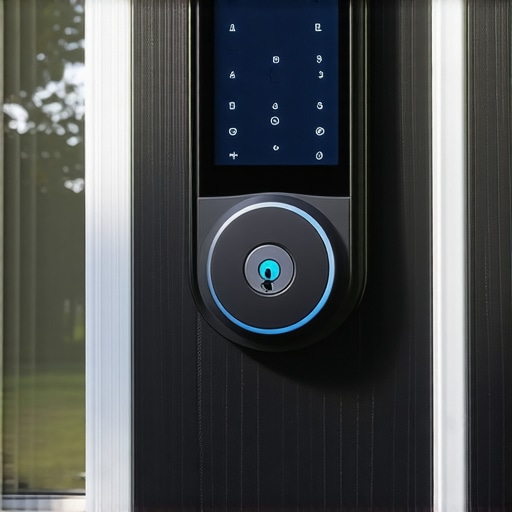
The Apprentice Lesson: Why Metal Matters More Than Microchips
I teach my apprentices that if you have to force the key, you have already lost. This is a fundamental law of locksmithing. If a cylinder does not turn with the weight of a feather, there is a physics war happening inside that lock. Over 25 years at the bench has taught me that people are easily distracted by blue lights and smartphone apps. They walk into my shop asking for the latest gadgetry, but they forget that a lock is a mechanical barrier first and a computer second. When we talk about budget smart lock starter kits, we are often talking about a thin layer of convenience stretched over a core of cheap pot metal. I have seen countless DIY installers ruin their door frames because they did not understand the relationship between the tailpiece and the strike plate. Security is not a product you buy at a big box store; it is a problem of resistance. If your lock is made of zinc alloy instead of solid brass, a thief with a heavy screwdriver does not need to hack your Wi-Fi. They just need to apply thirty pounds of torque to the cylinder face. To truly protect a home, you must understand the internal physics: the shear lines, the spool pins, and the tolerance levels that separate a true security device from a plastic toy.
“Security is always a trade-off between convenience and protection.” – Industry Axiom
The Psychology of the Breach: Kick-ins vs. Technical Entry
Burglars are rarely the high-tech geniuses you see in movies. In my experience serving residential neighborhoods, most intruders use the path of least resistance: the kick-in. They target the strike plate, the piece of metal on your door frame where the deadbolt rests. Most integrated home security lock bundles come with one-inch screws for the strike plate. This is a joke. A single kick will bypass the most expensive smart lock in the world if those screws only bite into the decorative trim. To keep intruders out, you need 3 inch hardened steel screws that anchor into the 2×4 stud behind the frame. Before we even look at the 7 budget kits that actually work, you must accept that the hardware grade matters. ANSI Grade 1 is the gold standard, tested to withstand 10 kicks of 150 foot-pounds. Most budget locks are Grade 3, meaning they are built for internal doors, not your front entrance. I only recommend budget options that maintain at least a Grade 2 rating or utilize a retrofit design that keeps your existing high-quality deadbolt hardware intact.
Mechanism Zooming: The Internal Physics of Budget Security
When you look at residential keypad locks reviews, you will notice people complain about battery life. As a locksmith, I worry about the motor. Inside a budget smart lock, a small electric motor drives a plastic or brass gear. This gear turns the cam, which moves the tailpiece. In a cheap kit, the tolerances are loose. This ‘slop’ in the mechanism means the motor has to work harder to overcome friction. If your door is slightly misaligned due to humidity or house settling, the motor will burn out within six months. This is why neighborhood watch lock recommendations often lean toward retrofit units like the August or Wyze. These kits do not replace the entire lock; they simply turn the thumbturn on the inside. This allows you to keep your high-security cylinder on the outside while gaining the benefits of access logs for smart locks. By keeping the original mechanical core, you ensure that the physical shear line remains difficult to pick or bump, while the digital side handles the convenience of keyless entry.
7 Budget Smart Lock Kits That Pass the Bench Test
1. The Retrofit Deadbolt Controller: This is my top pick for anyone on a budget. It replaces only the interior thumbturn. You keep your existing Grade 1 deadbolt, meaning the external physical security is unchanged. 2. The Hardened Keypad Lever: Ideal for side doors, these units use a clutch mechanism. When locked, the handle spins freely so an intruder cannot snap the internal spindle by hanging on the lever. 3. The Bluetooth Deadbolt with Physical Overide: Look for kits that still include a 5-pin or 6-pin cylinder. If the electronics fail, you need a physical keyway that has not been compromised by cheap manufacturing. 4. The Shielded Smart Deadbolt: Some budget kits now include a tapered bolt. This helps the motor pull the door shut even if there is slight resistance, preventing the ‘jammed’ notification that plagues cheap hardware. 5. The Wi-Fi Integrated Strike: A different approach where the frame moves, not the lock. This is common in master key systems for hotels 2026 but is becoming affordable for homes. 6. The Fingerprint Entry with Scramble Code: This prevents ‘smudge attacks’ where a thief looks at the wear patterns on your keypad to guess your code. 7. The Zinc-Core Reinforced Keypad: If you must replace the whole unit, ensure the interior mounting plate is steel, not plastic. Plastic plates flex, allowing the lock to be pried off the door with a standard crowbar.
“The strength of a lock is only equal to the strength of the door and frame it is attached to.” – Locksmith Manual AG-4
The Reality of Locksmith Costs in Urban Areas 2026
I often hear people complaining about locksmith costs in urban areas 2026. They think $150 for a service call is high until they realize what they are paying for. You are paying for the Lishi picks, the air wedges, and the 25 years of knowledge required to open a door without destroying it. A ‘trunk slammer’ will quote you $29 on the phone, show up, tell you your lock is ‘high security,’ and then drill it out. Now you are out $400 for a new lock and a ruined door. When searching for how to choose a reliable locksmith near me, always ask if they have a physical shop. If they only work out of a van with no address, keep looking. A real locksmith will provide emergency residential lockout solutions that involve non-destructive entry. We use the physics of the lock against itself, manipulating the pins to the shear line rather than brute-forcing the mechanism. This expertise is what protects your investment in a smart lock kit.
Digital Governance: Access Logs and Master Keys
The future of security is data. Even on a budget, access logs for smart locks provide a level of oversight that traditional keys cannot match. In commercial settings, we are seeing master key systems for hotels 2026 moving toward encrypted RFID and mobile credentials. For a homeowner, this means you can see exactly when the dog walker or the contractor entered. However, beware of ‘cloud-only’ locks. If the company goes out of business, your smart lock becomes a paperweight. Always choose a budget kit that has a local Bluetooth or Z-Wave fallback. Furthermore, consider car key duplication costs 2026 when thinking about your home. Many modern smart locks can be keyed to match your existing house keys, but they cannot match your car’s transponder. Keeping your key count low is a matter of organizational security. The more keys you have floating around, the higher the chance of a security breach.
The Final Security Audit: Maintenance and Weather
Weather is the silent killer of budget electronics. In high-humidity coastal areas or the freezing winters of the Midwest, the salt and moisture will corrode the motherboards of cheap kits. I always tell my customers to look for an IP65 rating on any exterior keypad. Maintenance is also non-negotiable. Do not use WD-40 in your lock cylinders; it attracts gunk and eventually turns into a sticky paste that prevents the pins from dropping. Use a dry PTFE or graphite lubricant. If your budget smart lock starts making a grinding noise, do not ignore it. That is the sound of the motor fighting the door alignment. Adjust your strike plate immediately. True security is a proactive habit, not a one-time purchase. By choosing a kit that respects the laws of physics and the realities of the street, you can enjoy the convenience of the 21st century without leaving your front door wide open to the first person with a pry bar. Use these neighborhood watch lock recommendations to stay one step ahead of the scammers and the thieves. Safety is found in the details of the metal, not the marketing on the box.