
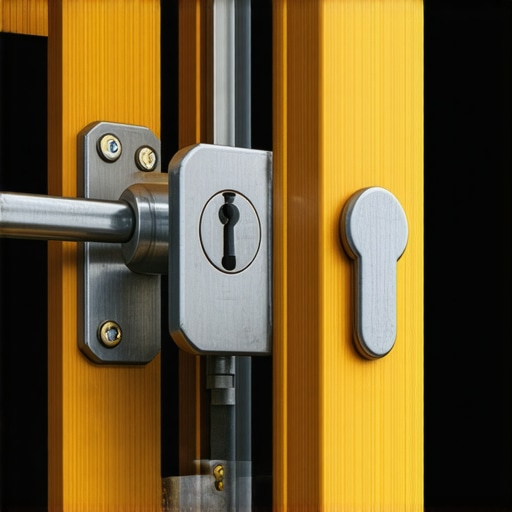
The Anatomy of a Seized Lock: Why Your Key Won’t Turn
That sickening feeling when you insert your key, apply pressure, and feel nothing but a hard, unyielding resistance is a mechanical cry for help. A jammed lock is not an inconvenience; it is a physical system failure. Inside that brass cylinder, a silent war is being waged between tight tolerances, microscopic metal debris, and environmental wear. When your lock jams, forcing the key is the absolute worst thing you can do. You will end up snapping the blade off inside the plug, turning a simple servicing job into a complex extraction process.
“Security is always a trade-off between convenience and protection.” – Industry Axiom
I teach my apprentices that if you have to force the key, you have already lost. This fundamental technical wisdom applies to everything from a basic pin-tumbler deadbolt to high-end commercial hardware. When a key binding occurs, it means the physical alignment required for the shear line to clear has been compromised. Forcing the mechanism simply shears the brass pins, deforms the springs, or bends the key blade beyond repair.
The Forensic Autopsy: Deconstructing the Jam
To fix a jammed lock, we must look at the material science at play. Cheap big-box hardware relies heavily on cast zinc and pot metal components. Over time, these materials degrade, causing internal scaling and structural warping. When you turn a key in a high-quality solid brass cylinder, the pins slide smoothly. In a degraded zinc cylinder, those same pins encounter microscopic pits and ridges that trigger catastrophic binding.
A primary failure point is the cylinder spring. Each pin chamber houses a top pin (driver pin), a bottom pin (key pin), and a tiny phosphor bronze or stainless steel spring. When these springs lose their tension or get crushed due to debris buildup, they fail to push the driver pins back up past the shear line. This leaves the driver pin sitting halfway between the plug and the shell, completely seizing the cylinder’s rotation. Another common culprit is tailpiece misalignment. If the tailpiece connecting the cylinder to the bolt mechanism is bent even a fraction of a millimeter, it creates rotational binding that mimics a cylinder jam.
The Step-by-Step Recovery Process: Rekeying vs. Replacing
Before rushing to replace the entire assembly, we need to diagnose whether the issue lies in the cylinder itself or the latch mechanism. Start by opening the door and attempting to throw the bolt while the door is open. If the lock operates smoothly while open but jams when closed, your problem is not the lock mechanism; it is door sag, latch misalignment, or a shifted strike plate. If the lock jams while the door is wide open, the cylinder is fouled.
To service a fouled cylinder, spray a dedicated synthetic fluoropolymer lubricant directly into the keyway. Do not use standard household penetrating oils or greasy lubricants. These products act as dust magnets, attracting pocket lint and grit that turns into an abrasive grinding paste inside the pin chambers. Insert your key and gently tap the head of the key with a plastic mallet or the handle of a screwdriver. This technique, known as light kinetic vibration, helps free seized springs and jammed driver pins. If the cylinder turns, extract the core immediately for a deep cleaning or a complete rekey.
Rekeying is always preferable to replacing high-quality brass hardware. During a rekey, we disassemble the cylinder, discard the worn bottom pins, clean the chamber walls with a brass wire brush, install fresh springs, and drop in new color-coded pins matched to a fresh key cut. This restores the lock to factory tolerances. However, if the cylinder wall is scored or the plug has excessive play within the housing, the metal has stretched past its limits. In this scenario, complete replacement is your only secure path forward.
The Best Residential Door Locks for Safety and Durability
When replacement becomes unavoidable, you must avoid the temptation of buying cheap retail grade-3 locks. Look for locks certified to ANSI/BHMA Grade 1 standards. These locks are engineered to withstand extreme physical attacks and hundreds of thousands of duty cycles without suffering structural fatigue. Heavy-duty deadbolts feature solid brass cylinders, hardened steel security pins (like spool or serrated pins that resist picking and bumping), and free-spinning collar rings that prevent pipe-wrench attacks.
“Real physical security requires heavy metal and tight tolerances, not just digital convenience.” – Locksmith Association Axiom
Modern residential security also involves smart integration. If you are upgrading, look into biometric locks installation guide 2026 to ensure proper mounting. Proper installation of biometric and smart hardware requires a perfectly flat door face and a pristine mortise. Even a minor warp in the door will put side pressure on the motorized bolt, causing integrated smart lock hubs 2026 to report false lock errors and drain batteries in a matter of weeks. Choosing affordable biometric door hardware does not mean compromising on the physical lock cylinder behind the scanner; always verify that the backup key override uses a standard, rekeyable solid brass cylinder.
The Truth About Lock Maintenance and Common Myths
There is a persistent myth that graphite is the ultimate lock lubricant. It is not. While graphite is a decent dry lubricant, applying it to a lock that has previously been sprayed with wet oils creates a thick, black sludge that cements the pins inside their chambers. Once this sludge hardens, the lock will jam permanently, requiring complete disassembly or destructive entry. Always flush dirty keyways with a fast-evaporating electrical contact cleaner before applying a dry, synthetic lubricant.
Additionally, check your strike plate alignment twice a year. As seasons change and humidity levels shift, wood frames expand and contract. This causes the deadbolt to rub against the strike plate, creating friction that feels like a internal mechanical jam. Filing down the strike plate opening or adjusting its position by a few millimeters will eliminate this stress and extend the lifespan of your lock mechanism indefinitely.