
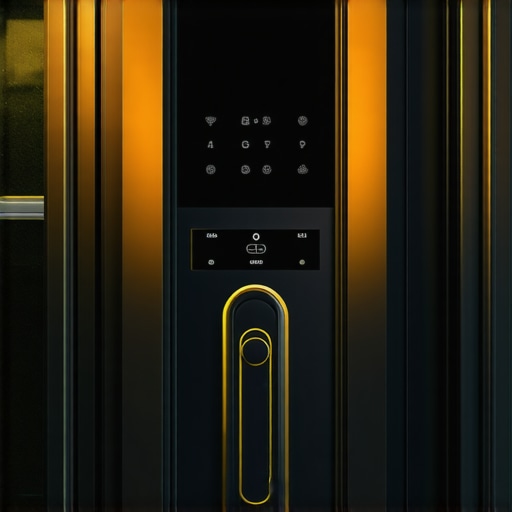
The Solar Smart Lock Wave: Innovation or Just Another Electronic Headache?
For twenty-five years, I have sat at my bench handling everything from high-security cylinders to electronic access control systems. I have seen every gimmick the security industry has tried to push onto homeowners. When solar-powered smart locks started hitting the residential market for 2026, my immediate reaction was skepticism. Most electronic residential options are built with cheap zinc die-cast parts and thin plastic gears that fail under minimal stress. Adding a tiny solar panel to the faceplate sounds like another point of failure waiting to happen. But as a master locksmith, I have to analyze security as a physics problem, not just reject new technology outright.
Before we dissect the mechanics of these new solar units, let me share a lesson I teach my apprentices. I always tell them that if you have to force the key, or if you have to push the door with your shoulder to get an electronic bolt to throwing position, you have already lost the battle. Force is the enemy of precision. If a lock mechanism relies on brute electronic power to overcome a misaligned door frame, the motor will burn out, the battery will drain, and you will find yourself calling for emergency residential lockout solutions. This fundamental rule applies tenfold to solar-powered units that operate on tight, self-sustaining energy budgets.
“Security is always a trade-off between convenience and protection.” – Industry Axiom
The Physics of Solar-Powered Access Control
To understand the pros and cons of keyless entry systems utilizing solar cells, we must examine the internal power management. Unlike traditional smart locks that run on four AA batteries replaced every six months, solar locks use ultra-capacitor storage coupled with a low-draw lithium-titanate backup cell. The photovoltaic panel, integrated directly into the exterior trim, is designed to harvest ambient daylight, not just direct sunlight, keeping the internal storage charged indefinitely.
However, the mechanical challenge remains the same. The motor must retract and extend a deadbolt. A standard brass deadbolt sliding into a wooden door frame requires a certain amount of torque. If your door has warped due to seasonal humidity, the friction increases. When a motor encounters this resistance, its current draw spikes. Traditional batteries can handle these spikes temporary, but a solar-powered system running on a micro-charge will deplete its reservoir rapidly. If the solar cell cannot keep up with the physical resistance of a dragging door, the lock will jam. This is why proper installation and perfect alignment of the strike plate are critical for these modern systems.
The Keyless Entry Systems Pros and Cons for 2026
Let us break down the engineering reality of solar smart locks compared to traditional mechanical deadbolts and standard battery-powered units. The primary benefit is obvious: the elimination of battery waste and the panic of a dead lock when you are returning home late. The integration of modern capacitors means these units can remain operational for up to two years even in total darkness, provided they had an initial full charge.
But the cons are significant. The exterior housing must expose the solar collector, which is typically made of tempered glass or high-durability polymer. This makes the face of your lock vulnerable to vandalism. If a malicious actor scratches, paints over, or smashes the solar panel, your charging source is gone. Furthermore, these locks still rely on electronic solenoids or small motors. Unlike a solid brass mechanical lock with security spool pins that resist physical picking, an electronic lock is only as secure as its physical bypass. Most cheap smart locks include a backup mechanical keyway under a magnetic cover. If that keyway uses a cheap five-pin tumbler system made of soft pot metal, your high-tech solar lock can be bypassed in seconds by anyone with a basic tension wrench and a rake.
“The weak point of any electronic lock is almost always the mechanical bypass cylinder.” – Security Manual Axiom
What Happens When It Fails? Emergency Entry and Diagnostics
When an electronic lock fails, whether it is a solar-powered residential deadbolt or the complex access control for co-working spaces, the entry method changes. If you are locked out because the system has suffered an internal electronic short, a locksmith cannot simply use traditional picking techniques if there is no physical keyway. In these scenarios, we have to look for alternative entry bypasses or employ non-destructive opening tools.
For instance, on modern vehicles like Tesla models, car lockout services require specialized knowledge of the 12V auxiliary system and electronic actuator bypasses, rather than simple slim-jims which will destroy the window glass and wiring harnesses. Similarly, residential smart locks without keyways often feature external jump-start terminals where a 9V battery or a USB-C power bank can be pressed against contacts to provide temporary power. If those terminals fail or corrode due to outdoor exposure, the lock must be drilled at precise coordinates to sever the motor drive shaft without destroying the door itself. This is why I advise landlords looking at high-security locks for rental properties to opt for heavy-duty grade 1 mechanical locks or robust commercial-grade access systems with physical key overrides.
Preventing Common Failures and Door Lock Jamming
If you choose to transition to a solar-powered smart lock, physical maintenance of your entryway is non-negotiable. You cannot expect a low-power electronic motor to resolve door alignment issues. Here is how you prepare your door for a smart lock install:
- Check the Strike Plate: The deadbolt must slide into the strike plate pocket without rubbing against any side of the plate. If you have to pull or push the door to lock it, reposition the strike plate immediately.
- Verify the Hinge Screws: Loose hinges cause doors to sag, tilting the lock alignment. Replace the short factory screws in your hinges with three-inch wood screws to anchor the door deep into the wall framing.
- Keep the Solar Panel Clean: Dust, pollen, and grime will degrade the photovoltaic efficiency. Wipe the exterior faceplate with a damp microfiber cloth monthly. Never use harsh chemical solvents.
- Lubricate the Internal Mechanical Parts: Do not spray WD-40 into your lock cylinder or bolt mechanism. It attracts dirt and turns into a sticky paste that jams the tiny springs. Use a high-quality PTFE or dry silicone lubricant designed for locks.
Ultimately, solar-powered smart locks represent an interesting shift toward self-sustaining residential security. But remember, no amount of solar energy or smart programming can compensate for a weak door frame, a misaligned strike, or a cheap, insecure mechanical bypass. Secure the physics of your door first, and only then should you worry about upgrading the technology.