
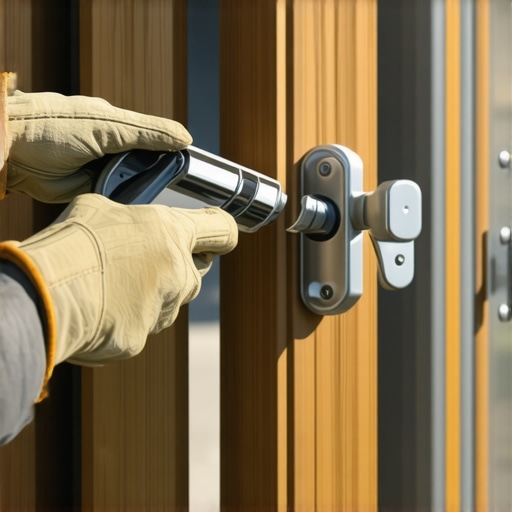
The Hard Truth About Metal and Moisture
I teach my apprentices that if you have to force the key, you’ve already lost. In my 25 years running a real brick and mortar shop, I have seen thousands of dollars in high-end hardware trashed simply because a homeowner thought locks were ‘set it and forget it’ devices. They aren’t. A lock is a precision instrument with tolerances measured in thousandths of an inch. When you subject that instrument to the freeze-thaw cycles, humidity, and road salt of an outdoor environment, physics takes over. If you aren’t performing professional-grade maintenance every year, you are essentially waiting for a lockout at the worst possible time. The locksmith response times 2026 averages indicate that during peak seasonal shifts, you could be waiting hours for a technician. Proper maintenance avoids the emergency call entirely.
“Security is always a trade-off between convenience and protection.” – Industry Axiom
The Forensic Autopsy of a Failing Lock
When a customer brings a ‘sticky’ lock into my shop, the first thing I do is a forensic teardown. Usually, I find a slurry of oxidized zinc and old, gummy oil. Most people reach for a can of the blue-and-yellow multi-purpose spray. Stop. That stuff is a magnet for dust. It creates a sticky paste inside the cylinder. Inside your lock, you have a series of pin stacks: the bottom pins (key pins), top pins (driver pins), and the tiny springs that provide tension. When dirt enters the keyway, it creates friction at the shear line, which is the exact point where the plug meets the housing. If the pins cannot reach that shear line perfectly because of debris, your key won’t turn. For those concerned with high-tech lock bumping prevention, this maintenance is even more critical. Bumping works by vibrating the pins; if your pins are sluggish due to lack of maintenance, the lock’s security features are compromised. [IMAGE_PLACEHOLDER]
Addressing Modern Ecosystems and Smart Hardware
We are seeing a massive shift toward a locksmith for smart home ecosystems. While the electronics are flashy, the mechanical core remains the same. Whether you have smart locks with video integration or traditional deadbolts, the bolt throw must be smooth. If the door has sagged and the bolt is rubbing against the strike plate, the motor in your smart lock will burn out. This is a common issue with app-controlled door locks security risks: if the app says ‘locked’ but the bolt didn’t fully extend due to friction, you are vulnerable. For best residential door locks for safety and durability, I always recommend hardware that meets ANSI Grade 1 standards, but even those require a yearly check of the mounting screws and a light application of a dry PTFE-based lubricant. Never use graphite in a lock that has previously been oiled; it will turn into a thick sludge that requires a complete ultrasonic cleaning to fix.
Commercial Compliance and High-Traffic Hardware
In the commercial sector, maintenance isn’t just about convenience: it’s about the law. Looking ahead to panic bar code compliance 2026, facilities managers need to ensure that exit devices operate with less than 15 pounds of force. I often service push-button locks for offices where the internal clutch has failed because the outdoor side was never shielded from the rain. If you are managing an office, check the biometric keyless entry for cars in your fleet as well. Those sensors are just as prone to environmental degradation as a standard pin-tumbler lock. A professional locksmith will tell you that a well-maintained Grade 2 commercial lever will outlast five cheap ‘big box’ store locks.
“Standardized testing ensures that architectural hardware performs under stress.” – ANSI/BHMA
The Annual Maintenance Checklist
1. Visual Inspection: Check for ‘scabbing’ or pitting on the finish. This is the first sign of galvanic corrosion. 2. Tightening: Check the through-bolts. If the lock wiggles, the internal timing of the cam will be off. 3. Cleaning: Use compressed air to blow out the keyway. You would be surprised how much lint and grit comes out. 4. Lubrication: Apply a dry-film lubricant. Insert the key and work it in and out to spread the coating across the pins and springs. 5. Strike Alignment: Ensure the deadbolt enters the strike plate without touching the sides. If you have to push or pull the door to lock it, your security is failing. This prevents the ‘trunk slammer’ scammers from convincing you that you need a whole new door when all you needed was a file and two minutes of work. Real security involves understanding the metal, not just buying the most expensive box on the shelf.