
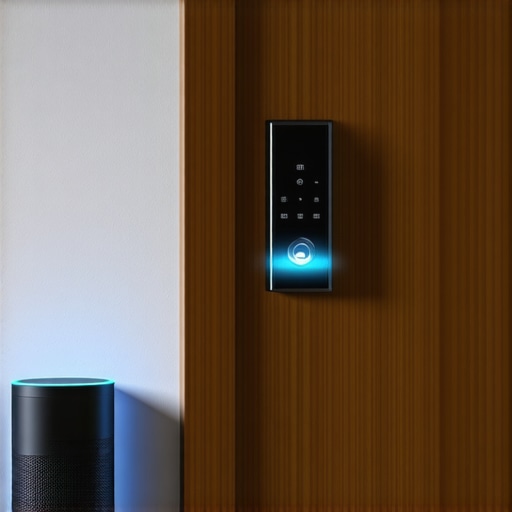
I teach my apprentices that if you have to force the key, you have already lost. That bit of technical wisdom has served my shop well for over two decades. It applies to the old brass skeleton keys of the 1920s and it applies even more strictly to the voice activated locks we are seeing in 2026. When you are connecting your door to Alexa or Google, you are not just playing with a gadget; you are integrating a digital brain with a mechanical heart. If that mechanical heart is made of cheap zinc or pot metal from a big box store, no amount of voice commands will save you from a physical breach.
“Security is always a trade-off between convenience and protection.” – Industry Axiom
The psychology of a modern burglar has shifted. While some might try to sniff a Wi-Fi signal, most still rely on the old fashioned kick-in or a pair of heavy duty pliers. This is why when we discuss benefits of installing smart locks for home security, we have to start with the hardware grade. An ANSI Grade 1 deadbolt is the gold standard, tested to withstand 250,000 cycles and ten strikes of 75 foot pounds. Most integrated home security lock bundles you find online are Grade 3 junk. They look shiny, but the internal bolt is hollow. When you set up voice activation, you are adding convenience, but you must ensure your high-security euro cylinder locks are the foundation. These cylinders feature hardened steel anti-drill pins and mushroom or spool pins that create a false set when someone tries to pick them. Without these mechanical defenses, your smart home is just a fancy house of cards.
Mechanism zooming is required here to understand why your setup might fail. Inside a smart lock, a small DC motor drives a series of plastic or metal gears. These gears turn the tailpiece, which retracts the bolt. If your door is not perfectly aligned, the motor has to work twice as hard to overcome the friction of the bolt rubbing against the strike plate. This is called high torque demand. If you ignore this during your voice-activated locks setup, you will burn out the actuator within six months. I have seen it a hundred times. People call for 24/7 emergency locksmith services explained by a jammed door, only to find the motor fried because the door swelled in the humidity and the strike pocket was not deep enough. You need at least a one inch throw on that bolt into a reinforced strike plate secured by three inch screws that bite into the wall stud, not just the trim.
Connecting to Alexa or Google requires a bridge or a hub unless the lock has native Wi-Fi. Zigbee and Z-Wave are the preferred protocols in the industry because they do not clog your home internet and they use mesh networking to extend range. When you configure the software, you must enable a secondary pin code for voice unlocking. You do not want a thief shouting through your window for Google to open the front door. This is a critical step in how to prevent future house lockouts as well, because these systems can notify you when battery levels drop below twenty percent. I always recommend a model with a physical key override. Moving into a new place and rekeying smart locks after moving in is actually easier than traditional locks if you have a compatible cylinder, but the digital credentials must be wiped entirely to prevent the previous owner from having cloud access.
For those looking at the biometric locks installation guide 2026, the technology has reached a point where capacitive sensors can detect blood flow, making