
The Transition from Brass to Bits
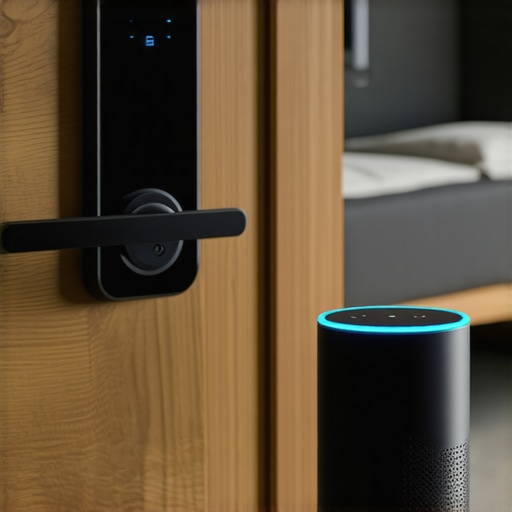
I teach my apprentices that if you have to force the key, you have already lost. That simple piece of technical wisdom has guided my hand for over twenty-five years at the workbench. When I started, security was measured in the thousandths of an inch between a pin and a shear line. Today, that measurement includes milliseconds of latency and the strength of a 128-bit encryption key. Transitioning your home to an Alexa-integrated system is not just about the convenience of voice commands; it is about merging the physical physics of a deadbolt with the digital oversight of a modern network. Most people see a smart lock as a gadget, but a professional sees it as a motorized actuator governed by a logic board. If that board is not talking to a reliable hub like Alexa, you are just leaving your security to chance.
“Security is always a trade-off between convenience and protection.” – Industry Axiom
The Physics of the Modern Deadbolt
When we look at residential keypad locks reviews, the focus is often on how pretty the finish is or how fast the app loads. As a locksmith, I look at the bolt. A standard residential deadbolt is often made of cast zinc or pot metal, which a thief can snap with a heavy-duty screwdriver. The future of home automation lies in smart locks that do not sacrifice the ANSI Grade 1 rating for a Wi-Fi chip. We are talking about hardened steel inserts and anti-drill plates protecting the motor. When you integrate these with Alexa, you are essentially creating a digital sentry. The motor inside an Alexa-compatible lock must have enough torque to overcome slight door misalignments, especially in regions where humidity causes wooden frames to swell and shrink. If the motor stalls because the door is sticking, your smart home is actually less secure than a 50-year-old skeleton key setup.
Access Logs for Smart Locks: The Digital Audit
One of the most significant shifts we are seeing as we approach business access control audits 2026 is the democratization of audit trails. In the past, only high-security commercial facilities could track who entered which door and at what time. Now, via the Alexa interface, a homeowner can view access logs for smart locks in real-time. This is not just about catching a burglar; it is about knowing when the dog walker arrived or verifying that the kids got home from school. This transparency is the cornerstone of modern security. If you are managing a multi-family building, lock rekeying used to be a massive overhead expense. With smart integration, you simply revoke a digital token. The hardware remains, but the ‘key’ is destroyed in the cloud. This is the definition of sustainable eco-friendly locks for homes, as it reduces the waste of discarded brass and the carbon footprint of a locksmith driving to your location for a 10-minute rekeying job.
“The strength of a lock is only as good as the frame it is bolted to.” – ANSI Security Standard
The Vulnerability of the Strike Plate
The psychology of a burglar is simple: they look for the path of least resistance. Most people assume a lock is picked. In reality, most doors are kicked. This is why the strike plate is the most critical and most ignored component of any installation. When I install a smart lock for an Alexa ecosystem, I toss those half-inch screws that come in the box. They are useless. I use three-inch hardened steel screws that bite deep into the wall studs. A smart lock can tell Alexa the door is locked, but if the strike plate is only held in by a sliver of decorative trim, that status is a lie. You want a flush fit where the bolt extends fully into the pocket. If the bolt does not fully extend, the deadlatched trigger does not engage, and a simple credit card can bypass your five-hundred-dollar smart system. This is a common sign you need to change your door locks immediately or at least call a professional to shim the strike.
The 2026 Security Outlook
Looking ahead, we are seeing a convergence of technologies. We are already preparing for automotive transponder keys 2026 updates and EV car key fob replacement costs 2026 rising as vehicle security mirrors home security. Imagine your car communicating with your house. As your EV pulls into the driveway, the Alexa routine disarms the electronic gate lock systems and prepares the front door. This is not science fiction; it is the current trajectory of access control. However, this level of automation requires a robust foundation. You cannot build a smart home on a Grade 3 hardware foundation. You need to look for locks that offer key extraction for deadbolts as a manual fail-safe because batteries die and electronics can glitch. A professional locksmith always wants a physical override that uses a high-security cylinder with spool pins to prevent picking.
The Scam of the Cheap Smart Lock
I have seen too many homeowners fall for the $29 service call bait-and-switch or buy the cheapest smart lock available on a clearance rack. These cheap units are often made of plastic components that fail under the heat of a summer sun or the freezing damp of winter. A real smart lock should be a heavy piece of equipment. If it feels like a toy, it will protect your home like a toy. When researching residential keypad locks reviews, look for mentions of the clutch mechanism. A high-quality clutch allows the thumbturn to move even if the motor is engaged, preventing the internal gears from stripping. If you buy cheap, you will eventually face the crunching sound of a dying actuator, and you will be calling me at 3 AM for an emergency bypass. Secure your home with hardware that respects the physics of the door while embracing the logic of the cloud. Use Alexa to monitor your logs, but trust the steel to keep the door shut. This is how you build a fortress in the digital age without sacrificing the convenience of a voice-activated lifestyle.