My First Encounter with a Deadbolt Dilemma
I’ll never forget the day I found myself locked out of a client’s office building. It was a chilly morning, and I was rushing to ensure their security system was up to date. Suddenly, I realized I had forgotten my keys. That moment sparked my deep dive into the world of auto lockouts and deadbolt security—an area I now handle with confidence.
Why Deadbolt Security Is a Game Changer for Business
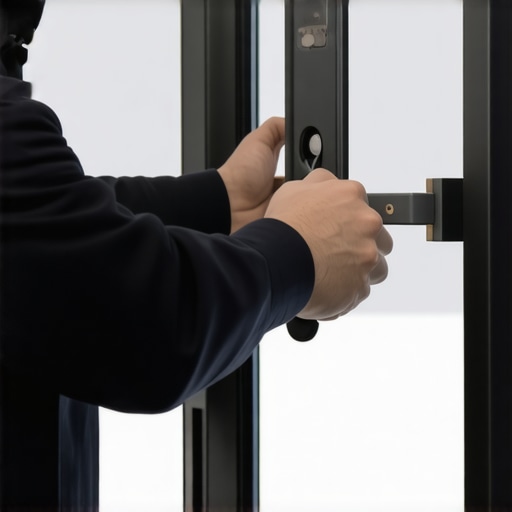
In my experience, installing robust deadbolt systems can significantly boost your commercial property’s security. Unlike regular locks, deadbolts provide an extra layer of protection against forced entry. I’ve often recommended top deadbolt solutions for commercial buildings to businesses aiming to safeguard their assets effectively.
Key Considerations for Choosing the Right Deadbolt System
When selecting a deadbolt, I advise considering factors like durability, ease of access during emergencies, and compatibility with existing security systems. For example, I recently helped a local business upgrade to a smart deadbolt, which allowed them to control access remotely—a feature I highly recommend for modern commercial security. For more insights, check out reliable deadbolt auto lockout solutions.
How Do I Prevent Auto Lockouts in My Business?
In my practice, preventive measures are vital. I always suggest regular maintenance, key management protocols, and installing auto lockout solutions that notify managers when a lock is engaged improperly. For businesses concerned about accidental lockouts, I recommend exploring ultimate deadbolt lockout solutions that can save time and money.
What Are the Most Common Mistakes Business Owners Make with Deadbolt Security?
This question often comes up during consultations. From my experience, one common mistake is neglecting to update or replace aging locks. Another is over-reliance on traditional keys without considering electronic or smart lock options. To ensure your security system remains reliable, I always recommend staying informed and consulting trusted sources like trusted locksmith tips.
If you’ve faced challenges with auto lockouts or security upgrades, I’d love to hear your story! Share your experiences in the comments, and let’s learn from each other. Remember, the right deadbolt system can make all the difference in safeguarding your business assets.
Unlocking the Potential of Smart Deadbolt Technologies for Business Security
As an industry expert, I often emphasize the importance of integrating smart deadbolt systems into your commercial security infrastructure. These innovative solutions not only prevent auto lockouts but also provide remote access control, audit trails, and real-time alerts. For instance, a recent client upgrade to a smart deadbolt allowed their security team to monitor access remotely and quickly respond to unauthorized attempts, significantly enhancing their overall security posture. To explore top choices, consider visiting top deadbolt solutions for commercial buildings.
How Do Electronic Deadbolts Transform Business Security Protocols?
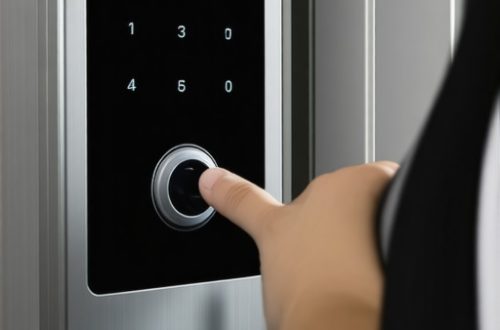
Electronic deadbolts are transforming traditional security measures by offering features like keypad entry, biometric access, and integration with security apps. These features enable businesses to manage access dynamically, revoke permissions instantly, and reduce dependence on physical keys. Moreover, electronic deadbolts can be programmed to restrict access during specific times, which is invaluable for controlled environments. According to a recent report by trusted locksmith experts, these systems are essential for modern security strategies.
Are There Hidden Risks in Relying Solely on Automated Lockout Solutions?
While automated lockout solutions offer convenience, they are not without risks. Malfunctions, hacking, or power outages can temporarily compromise access control. Therefore, a layered approach combining manual overrides, backup power sources, and cybersecurity measures is crucial. For example, I recommend implementing backup battery systems and secure network configurations to ensure continuous operation. Additionally, regular maintenance and software updates are vital to mitigate potential vulnerabilities. Experts suggest consulting authoritative sources like trusted locksmith advice for comprehensive security planning.
What Are the Practical Steps to Future-Proof Your Business Lockout Systems?
Future-proofing your security involves adopting adaptable, scalable systems that evolve with technological advancements. For example, integrating IoT-enabled deadbolts with your existing security ecosystem allows seamless updates and feature enhancements. Planning for redundancy, such as multiple access points and emergency override protocols, guarantees operational continuity. Furthermore, staying informed about emerging threats and technological innovations—like biometric authentication or AI-driven security analytics—ensures your systems remain resilient. I recommend exploring detailed strategies in comprehensive lockout solutions guides.
If you’re considering an upgrade or face persistent lockout challenges, I’d love to hear your experiences! Share your stories or questions in the comments, and let’s dive deeper into secure solutions tailored for your business needs.
Reflections on the Nuances of Deadbolt Reliability in Complex Business Environments
Over the years, I’ve come to realize that the real challenge with deadbolt security isn’t just about choosing the right lock but understanding how it functions within the broader context of business operations. For example, I worked with a manufacturing facility where frequent access during shift changes required a smart deadbolt system that could handle multiple users securely without compromising convenience. This experience highlighted that reliability hinges on thoughtful integration and ongoing maintenance, concepts I always emphasize to my clients.
The Hidden Layers of Electronic Deadbolt Security: Beyond the Surface
Electronic deadbolts offer impressive features like biometric access and remote management, but their security potential is only as strong as the underlying infrastructure. I recall assisting a retail chain that experienced a cyber breach through their electronic locks—an incident that underscored the importance of cybersecurity measures alongside physical security. Implementing encrypted networks and regular software updates became a critical part of their security blueprint, aligning with insights from trusted locksmith experts. This layered approach ensures that smart locks are not just high-tech but resilient against evolving threats.
How Can Business Owners Future-Proof Their Deadbolt Systems Against Emerging Threats?
Future-proofing is more than a buzzword; it’s a necessity as technology advances rapidly. From my experience, adopting systems that are scalable and adaptable—such as IoT-enabled deadbolts—allows businesses to stay ahead. I’ve advised clients to plan for redundancy, including backup power sources and manual overrides, to prevent lockouts during outages or cyber incidents. Keeping abreast of new developments like AI-driven access analytics or biometric enhancements can also give businesses a strategic edge. For those interested, exploring comprehensive strategies in lockout solutions guides is invaluable.
What Are the Practical Steps to Implement a Resilient Deadbolt System in Your Business?
Implementing a resilient deadbolt system requires a combination of selecting the right hardware, integrating it seamlessly into existing security protocols, and maintaining it vigilantly. I recommend conducting regular audits to identify vulnerabilities, updating firmware, and training staff on manual override procedures. Additionally, engaging with professional locksmiths who understand the latest technological trends ensures your system remains robust. Remember, a proactive approach saves time and money in the long term, especially when faced with unforeseen lockout scenarios or security breaches. If you’ve experienced challenges or success stories with your current security setup, I invite you to share your insights. Your stories can help others navigate similar hurdles more effectively.
The Role of Physical and Digital Layers in Modern Deadbolt Security
In my practice, I’ve observed that combining physical security measures with digital safeguards creates a comprehensive barrier against unauthorized access. For instance, pairing high-quality deadbolts with cybersecurity protocols—like firewalls and encrypted communication—can drastically reduce risks. I’ve also recommended multi-factor authentication for critical access points, adding an extra layer of security. This holistic perspective ensures that even if one layer is compromised, others remain intact to protect your assets.
Encouraging a Culture of Security Awareness in Business
Beyond hardware and software, fostering a security-conscious culture is vital. I often emphasize training staff to recognize potential threats and follow best practices, such as not sharing access codes or keys unnecessarily. Regular drills and updates keep security top of mind, transforming it from a mere policy into a shared responsibility. After all, technology can only do so much; human vigilance is equally crucial in maintaining a secure environment.
Integrating Multi-Layered Security Protocols for Unparalleled Deadbolt Resilience
In my journey through the nuances of commercial deadbolt systems, I’ve come to appreciate that the true strength of a security setup lies in its layered architecture. Combining physical locks with digital encryption, biometric authentication, and network security measures creates a formidable barrier against unauthorized access. For example, pairing high-grade deadbolts with encrypted communication channels significantly reduces vulnerability to hacking attempts. This holistic approach aligns with insights from trusted locksmith expertise, emphasizing that resilience is a product of comprehensive design rather than isolated components.
Designing Deadbolt Systems with Scalability and Adaptability at the Forefront
Future-proofing requires foresight and strategic planning. I advocate for implementing IoT-enabled deadbolts that can seamlessly integrate into evolving security ecosystems. These systems allow for remote management, real-time monitoring, and easy updates, ensuring your infrastructure remains current. A practical example includes configuring access permissions dynamically during emergencies or special events, which enhances both security and operational flexibility. To stay ahead of emerging threats, I recommend exploring comprehensive lockout solutions guides that detail scalable security frameworks.
How Can Business Leaders Strategically Prepare for Cyber-Physical Threats to Deadbolt Integrity?
Addressing this question has been central to my consulting practice. Cyber-physical threats, such as hacking electronic locks or sabotaging power supplies, demand a proactive stance. I advise integrating backup power systems like uninterruptible power supplies (UPS) and employing cybersecurity protocols such as encrypted firmware updates and multi-factor authentication. An incident I witnessed involved a retail chain experiencing a breach due to unsecured network access, highlighting the importance of layered defenses. Regular audits, penetration testing, and staff training are critical components. For a detailed roadmap, consult expert-recommended strategies.
What Practical Steps Can I Take Today to Enhance My Deadbolt System’s Resilience Against Future Threats?
Implementing resilience starts with thorough assessment and strategic upgrades. I recommend conducting a comprehensive security audit focusing on physical hardware, network infrastructure, and staff awareness. Upgrading to encrypted, IoT-enabled deadbolts and establishing robust backup protocols are immediate actions. Regular firmware updates and staff training on manual override procedures further bolster security. Engaging with specialized locksmiths who understand emerging technologies ensures your system remains resilient. If you’ve faced challenges or innovative solutions, sharing your experiences can provide valuable insights for others navigating similar security landscapes.
The Critical Role of Human Factors in Deadbolt Security Effectiveness
Beyond the hardware and software, cultivating a security-conscious culture is paramount. I emphasize continuous training and awareness programs that empower staff to recognize vulnerabilities, such as sharing access codes or neglecting maintenance. Implementing routine drills and fostering open communication channels make security practices habitual rather than reactive. After all, human vigilance often determines the success of even the most sophisticated systems, reinforcing that technology complements, rather than replaces, informed personnel.
Things I Wish I Knew Earlier (or You Might Find Surprising)
Understanding the Layered Defense
Early in my career, I underestimated how crucial layered security is. It’s not just about choosing a high-quality deadbolt; integrating digital and physical measures creates a truly resilient system. I remember installing a smart deadbolt for a client and realizing that without cybersecurity measures, even the best lock could be vulnerable. It’s a reminder that comprehensive security involves multiple layers working in harmony.
The Human Factor
I’ve seen many security setups compromised due to complacency or lack of awareness. Training staff to recognize potential threats and proper lock maintenance often makes a bigger difference than I initially believed. For example, simple protocols like updating access permissions and avoiding shared codes can prevent many issues. Investing in education is as vital as the hardware itself.
Smart Locks Are Not a Silver Bullet
While I love the convenience of electronic deadbolts, I’ve learned they are only as secure as their software. A retail chain I worked with experienced a breach because of outdated firmware. Regular updates and cybersecurity practices are essential to keep digital locks safe. Trusting technology requires ongoing vigilance, not just installation.
Backup Plans Are a Must
Power outages, hacking, or hardware failure can lock you out unexpectedly. I always advise clients to have manual overrides and backup power solutions. Once, a business faced a shutdown because of a power outage, but because they had a manual key backup, they avoided disaster. Planning for the worst keeps your security reliable.
The Future Is Now: IoT and AI in Deadbolt Security
Emerging technologies like IoT-enabled locks and AI-driven analytics are transforming how we think about security. I’ve seen systems that adapt permissions dynamically and monitor access patterns for anomalies. These advancements make security smarter and more proactive, and I recommend staying informed by exploring resources like top deadbolt solutions for commercial buildings.
Resources I’ve Come to Trust Over Time
Trusted Locksmith Tips
This website offers practical, real-world advice from experts who understand the nuances of deadbolt security. I’ve found their tips invaluable for staying updated on best practices and technological advances.
Industry Reports and Whitepapers
Reports from security industry leaders provide insights into emerging threats and solutions. They help me recommend forward-thinking measures to clients, ensuring their systems are resilient against future challenges.
Product Reviews and Case Studies
Real-world case studies and reviews help me evaluate which products truly deliver on their promises. They give me confidence when advising clients on upgrades or new installations.
Parting Thoughts from My Perspective
In my experience, the most effective deadbolt security combines reliable hardware, smart technology, layered defenses, and human vigilance. Staying informed and proactive is key to preventing auto lockouts and safeguarding business assets. If this resonated with you, I’d love to hear your thoughts or experiences. Sharing stories helps us all learn and improve our security strategies. Remember, the right deadbolt system can be a game changer—so choose wisely and stay vigilant.