
The Day the Scammer Won and the Hardware Lost
A lady named Mrs. Gable walked into my shop last Tuesday crying. She did not have a broken arm or a stolen purse, she had a receipt for six hundred dollars and a door that looked like it had been attacked by a swarm of angry woodpeckers. She had called a locksmith at 2 AM for a simple house lockout. Instead of a professional with a pick set and a Lishi tool, she got a kid in an unmarked sedan who told her her lock was a high security model that could not be picked. He spent forty-five minutes drilling her cylinder into metal shavings and then charged her for a bottom-shelf replacement that I sell for fifteen bucks. This is the reality of the trunk-slammer epidemic. They do not understand the physics of the lock, so they resort to destruction. A real locksmith knows that security is about the battle between the shear line and the pins, and understanding the hidden tech inside modern anti-pick cylinders is the only way to avoid being a victim of both burglars and scammers.
“Security is always a trade-off between convenience and protection.” – Industry Axiom
The Physics of the Shear Line and Driver Pins
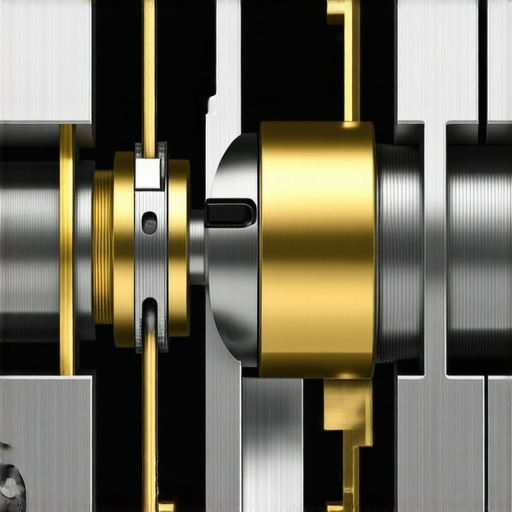
To understand anti-pick technology, you have to understand the basic pin tumbler mechanism. Inside a standard cylinder, you have a plug and a housing. Between them is the shear line. For the lock to turn, the gap between the key pins and the driver pins must align perfectly with that shear line. In a cheap, big-box store lock, those pins are simple brass cylinders. They are smooth, predictable, and easy to manipulate with a standard rake or hook. When a picker applies tension to the plug, they are looking for the binding pin, the one pin that is slightly off-center due to manufacturing tolerances. Once they find it, they lift it until it clicks at the shear line. Repeat five times, and the door is open. Modern anti-pick cylinders change this game by introducing security pins. These are not smooth. We are talking about spool pins, serrated pins, and mushroom pins. A spool pin looks like a tiny hourglass. When a picker tries to lift it, the thin center of the spool catches on the edge of the shear line, creating what we call a false set. The plug rotates a few degrees, making the picker think they have won, but the lock remains dead. To bypass this, the picker must counter-rotate the plug, which often drops all the other pins they have already set. It is a mechanical chess match where the lock is programmed to lie to the intruder.
Smart Deadbolts with Fingerprint Scanners and Biometric Evolution
We are moving into an era where the physical key is becoming secondary. Smart deadbolts with fingerprint scanners are no longer sci-fi gadgets, they are standard residential upgrades. These devices use capacitive or optical sensors to map the ridges and valleys of your thumbprint. But here is the secret most people miss: the biometric scanner is only as good as the mechanical override. I have seen budget smart lock starter kits where the electronics are fancy, but the physical cylinder is made of zinc die-cast junk that can be snapped with a pair of vice-grips. When you are looking at smart locks with geofencing features, you want a unit that uses a motorized bolt with a hardened steel core. Geofencing is great for convenience, it uses your phone GPS to retract the bolt as you pull into the driveway, but if the strike plate is held in by half-inch screws into a pine door frame, that tech is useless. You need three-inch screws that anchor the strike plate directly into the wall studs. That is the difference between a gadget and a security system.
Commercial Security and Key Control
In the commercial world, we deal with a different beast. Panic bar installation and repair for commercial buildings is about life safety as much as security. These systems must allow immediate egress while preventing unauthorized entry. Inside those high-end commercial cylinders, we often find sidebars and finger pins. Unlike a standard lock where the pins move up and down, these require the pins to rotate to a specific angle to allow a sidebar to drop into a groove. This is why you cannot just go to a hardware store and copy a Medeco or Assa Abloy key. The key control is absolute. If you are a business owner, you need to know who has every single key. If your lock uses an interchangeable core, we can rekey the whole building in minutes without touching a screwdriver. This prevents the nightmare of a disgruntled former employee having access to your inventory. We see a lot of employee theft because of poor key management, not because someone picked the lock.
Automotive Locksmith vs Dealership for Car Key Replacement
The tech in your pocket is not just for your front door. Modern vehicles use transponder chips and rolling codes that make the old slim-jim days look like the Stone Age. When people lose their fobs, their first instinct is to tow the car to the dealer. This is a mistake. An automotive locksmith vs dealership for car key replacement is usually a contest of both price and speed. Dealers often charge a premium for the brand name and make you wait for a service appointment. A professional locksmith has the same diagnostic tools to talk to your car ECU. We can perform keyless ignition repair services and program new fobs on-site. Looking ahead, car key duplication costs 2026 are expected to rise as encryption becomes more complex. We are seeing more biometric keyless entry for cars, where the vehicle recognizes the owner via their smartphone or a fingerprint on the door handle. This tech is great until the battery dies or the module glitches, which is why we still emphasize having a mechanical backup hidden inside the fob.
“The strength of a chain is limited by its weakest link, and the strength of a door by its cheapest component.” – Security Manual 101
The Truth About Emergency Residential Lockout Solutions
If you find yourself locked out, do not panic and call the first number you see on a search engine that says $19 service call. That is a bait-and-switch. Real emergency residential lockout solutions involve a technician who can identify your hardware on sight. When I arrive, I am looking for the brand of the lock and the type of pins inside. I might use a Lishi tool, which is a specialized pick that allows me to see exactly where each pin is sitting. It is a non-destructive entry method that leaves your lock perfectly functional. If a locksmith reaches for a drill before they reach for a pick or a bypass tool, send them away. There are very few residential locks that cannot be picked by a master of the craft. We also see a lot of interest in smart locks with video integration. These allow you to see who is at the door and grant entry remotely. It is a fantastic tool for preventing package theft, but again, ensure the physical lock body is ANSI Grade 1. A Grade 3 lock is for interior closets, not your front door.
Maintenance: Why Most Locks Actually Fail
People think locks fail because someone tried to break in, but 90% of the time, it is because of poor maintenance or bad installation. I tell my apprentices that the sound of a lock tells you everything. A healthy lock has a crisp, metallic click. A failing lock has a mushy, grinding sound. This is usually caused by using the wrong lubricant. Never, and I mean never, use WD-40 in a lock cylinder. It is a solvent, not a long-term lubricant. It attracts dust and grit, which turns into a sticky paste that gums up the tiny springs and pins. Use a dry PTFE or graphite-based lubricant. Also, check your door alignment. If you have to pull or push on the door to get the deadbolt to turn, you are putting massive torque on the internal tailpiece. Eventually, that metal will fatigue and snap, leaving you locked out with a key that spins aimlessly. A properly installed lock should have a flush fit and the bolt should throw freely into the strike pocket without friction.