
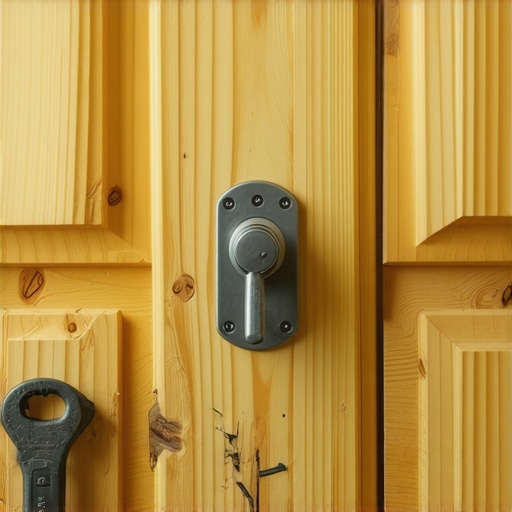
The False Sense of Security in DIY Locksmithing
The average burglar isn’t a mastermind; they are opportunists looking for a 15-second entry. When you decide to install your own deadbolt, you are often betting your family’s safety on a piece of hardware bought for twenty dollars at a big-box store and a 10-minute YouTube tutorial. I have spent 25 years behind a locksmith bench, and I can tell you that a lock is a precision instrument, not a home decor project. A lady came into my shop crying because a scammer drilled her lock and charged her nearly a thousand dollars for a piece of junk that didn’t even lock right. He told her the cylinder was unpickable, but it was just a standard five-pin tumbler with zero security pins. He could have used a simple rake if he had any real training, but these trunk-slammers only know how to use a power drill. This is the reality of the industry today: poor hardware installed by untrained hands leads to catastrophic failure.
“Security is always a trade-off between convenience and protection.” – Industry Axiom
The Anatomy of a Mechanical Failure
When we talk about the internal physics of a deadbolt, we are looking at a system of shear lines and tolerances. A standard deadbolt uses a series of pin stacks consisting of a bottom pin and a driver pin. When the correct key is inserted, the gap between these pins aligns perfectly at the shear line, allowing the plug to rotate. Most DIYers don’t realize that if the door is even slightly misaligned, the bolt puts lateral pressure on the internal tailpiece. This is called binding. Over time, this pressure causes the zinc alloy components found in cheap Grade 3 hardware to fatigue and snap. If you are trying to figure out how to upgrade your home security on a budget, the answer isn’t cheaper locks; it is better installation. A lock shield installation for doors can prevent prying, but it won’t fix a bolt that isn’t hitting the center of the strike plate.
Why Material Science Matters: Zinc vs. Steel
Inside those shiny boxes at the hardware store, you’ll find what I call pot metal. It’s a zinc-based alloy that has the structural integrity of a soda can compared to the hardened steel and brass we use in a professional shop. ANSI Grade 1 deadbolts are rated for 250,000 cycles and must withstand ten 75-foot-pound blows. Your average DIY deadbolt is likely Grade 3, which is designed for interior doors where security isn’t a priority. When I perform emergency safe cracking services, I see the difference that high-quality steel makes. The same applies to your front door. If the bolt isn’t made of hardened steel with a free-spinning anti-saw pin inside, a thief with a hacksaw blade will be through it in under a minute. Weatherproof outdoor locks reviews often focus on the finish, but as a locksmith, I look at the internal springs. Cheap springs corrode in the humidity, leading to a stuck driver pin that renders your key useless.
“The strength of a door is only as good as the frame it is attached to.” – Master Locksmith Manual
The Precision of the Strike Plate
The most common mistake in a DIY install is the strike plate. Most people use the half-inch screws that come in the box. Those screws only grip the soft pine of the door jamb. One solid kick and the wood splits, the deadbolt remains locked, but the door is open. A master locksmith uses 3-inch hardened steel screws that penetrate the jack stud, the actual structural framing of your house. This turns the entire wall into part of your locking system. When I provide a 24/7 mobile locksmith for apartments, I see doors that have been kicked in simply because the installer didn’t understand the physics of force distribution. We are also seeing a rise in smart locks. While having access logs for smart locks is great for monitoring who comes and goes, if the motor is struggling to throw the bolt because the hole in the frame is 2 millimeters off, the electronics will burn out within six months.
High-Tech Security and Modern Realities
Security isn’t just about the front door anymore. We deal with everything from transponder key programming guide requirements for modern vehicles to mobile locksmith services for lost car keys. The technology has changed, but the need for precision has not. For those with older vehicles, finding a locksmith for vintage car keys is becoming a lost art because it requires understanding the old wafer tumbler systems that preceded modern chips. Even with the latest tech, failures happen. If you’ve looked at broken key extraction tools 2026 reviews, you know that keys are getting thinner and more prone to snapping. A DIYer will try to dig a broken key out with a pair of tweezers, usually pushing the fragment further into the back of the cylinder and ruining the springs. A professional uses a harpoon extractor to catch the bitting of the key and pull it out without damaging the pin chambers.
The Final Assessment
Don’t be fooled by the ease of a screwdriver. The hidden risks of installing your own deadbolt range from mechanical binding to total structural failure of the door frame. True security involves understanding the metallurgy of the pins, the physics of the strike, and the reliability of the brand. Whether you are managing a commercial property or just trying to keep your family safe, the difference between a secure home and an easy target is often found in the last fraction of an inch of a professional installation. Stop buying the marketing and start looking at the metal. Your safety depends on hardware that works when the pressure is on, not just when the sun is shining.