
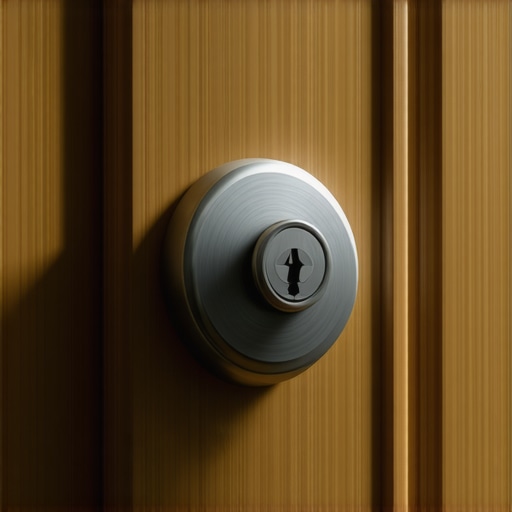
I teach my apprentices that if you have to force the key, you have already lost. Force is the signature of an amateur, a trunk-slamming locksmith-on-paper who does not understand the basic physics of shear lines, plug tolerances, and pin stack dynamics. A few months ago, a kid came into my shop holding a brass-plated deadbolt he had hammered out of a tenant door. The cylinder was jammed solid because he used some cheap knock-off key that sheared a master wafer right into the plug chamber. I had to sit him down at my bench and show him how the cylinder assembly reacts to microscopic deviations. That cheap hardware is exactly what is protecting your single largest financial asset if you own rental properties. If you are still running standard big-box retail locks on your rental units, you are practically begging for a midnight emergency call, or worse, a lawsuit.
As a landlord, your risk profile is completely different from a standard homeowner. You have a revolving door of tenants, cleaning crews, maintenance workers, and subletters. You are not just fighting off opportunistic burglars; you are fighting key duplication control, physical lock picking, bump keys, and sheer mechanical wear and tear from residents who treat your doors like public transit turnstiles. Standard residential deadbolts are simply not designed to withstand this kind of operational stress.
“Security is always a trade-off between convenience and protection.” – Industry Axiom
The Physics of Vulnerability: Why Cheap Deadbolts Fail
To understand why standard locks are a liability for rental properties, we have to look inside the lock cylinder. Most residential deadbolts you buy at a hardware outlet are constructed with soft brass or zinc alloy housings. The tolerances inside these plugs are incredibly sloppy, often measuring up to .005 inches of play. This wide variance allows almost any amateur with a set of basic tension wrenches and a rake to manipulate the five pin stacks to the shear line in under thirty seconds. Worse yet, these locks are highly vulnerable to bumping. A bump key works by transferring kinetic energy from a specially cut key through the key pins to the driver pins, throwing the drivers above the shear line for a fraction of a second, letting the intruder open the door without leaving any physical trace of entry.
High-security deadbolts, specifically those meeting ANSI/BHMA Grade 1 certification, utilize hard-ened steel inserts, proprietary keyways, and complex pin configurations. We are talking about telescoping pin-within-a-pin systems, sliders, and rotating disks that must align perfectly with a sidebar. If a burglar tries to rake a lock like this, the sidebar prevents the plug from rotating even if they manage to fluke some pins to the shear line. Additionally, Grade 1 deadbolts feature massive steel bolts with hardened steel rollers inside. If an intruder attempts to saw through the bolt with a hacksaw, the inner roller spin-rolls with the blade, completely neutralizing the cutting force.
The Illusion of Key Control in Rental Units
Standard keys can be duplicated at any self-serve kiosk in a grocery store lobby. Your tenant can make five copies of their apartment key for friends, family, or partners without your knowledge. When they move out, they might hand you back two keys, but who has the other three? You are forced to rekey or replace the entire lock cylinder every single time a lease changes, which drains your profit margins and consumes your time. If you do not change the cylinders, you open yourself up to massive liability claims if a previous key-holder enters the property unlawfully.
“True key control is the foundation of physical access security; without restricted keyways, keys are merely suggestions.” – Locksmith Association Axiom
High-security systems solve this operational nightmare through patented keyways. These key blanks are restricted and cannot be legally duplicated by anyone other than an authorized locksmith, and only upon presenting a specific authorization card and signature. If a tenant tries to take a high-security key to a kiosk or a local hardware store, the machine cannot copy it because the blank is physically protected by patent law and has unique features that basic cutting machines cannot replicate. This ensures that when a tenant moves out and hands you back two keys, you can be certain there are no stray copies floating around in the wild.
The Structural Anatomy of a Solid Installation
Most rental property doors are kicked in rather than picked. A burglar does not care about stealth if they can bypass the lock completely by applying brute force to the door frame. When a cheap deadbolt is installed with the flimsy, half-inch wood screws that come in the retail packaging, a single solid kick will splinter the pine door jamb, tearing the strike plate right out of the wood. The deadbolt itself remains locked, but the door is open because the frame surrendered.
A professional high-security deadbolt installation addresses this structural weakness. The strike plate must be a heavy-duty steel plate secured by at least four three-inch wood screws that anchor directly into the structural stud framing of the building, not just the decorative trim. The lock housing must sit flush against the door, preventing a criminal from getting a pipe wrench around the collar to twist the entire cylinder off. If you have vacation homes or remote rentals, integrating high-security physical locks alongside smart locks with video integration can provide both remote monitoring and heavy-duty physical backup, ensuring you never face a catastrophic lockout scenario.
Selecting and Maintaining Your Rental Security
When selecting your deadbolt, choose a reputable commercial-grade brand like Medeco, Assa Abloy, or Schlage Primus. These cylinders are designed to handle hundreds of thousands of cycles without the brass pins wearing down and causing key-jamming issues. For landlords managing multiple properties, setting up a master key system with high-security cylinders allows you to have one master key that fits every utility room, exterior gate, and individual apartment door, while each tenant’s key remains strictly confined to their own unit.
Do not ruin a high-quality installation with terrible maintenance habits. The absolute worst thing you can do to a high-security lock cylinder is spray it with greasy lubricants like WD-40. It acts as a magnet for airborne dust, grit, and pocket lint, turning into a sticky paste that guns up the delicate pin chambers, causing the driver springs to seize. Instead, use a dedicated dry film PTFE lubricant or dry graphite. A quick puff of lubricant once a year into the keyway is all it takes to keep the microscopic shear lines operating with watchmaker precision.