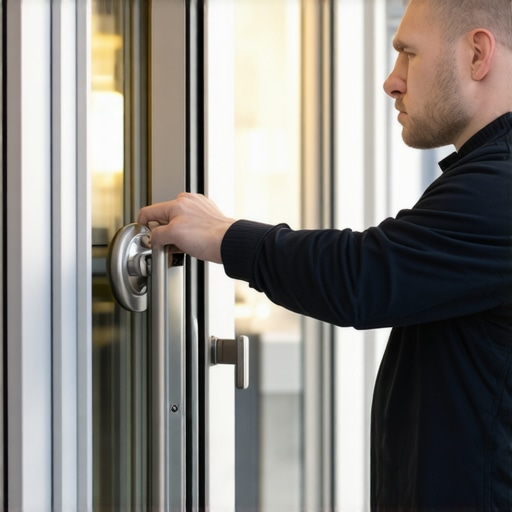
My Unexpected Auto Lockout Experience: A Wake-Up Call for Business Security
Last year, I found myself locked out of my own office during a busy morning. It was a hectic scene—clients waiting, phones ringing—and suddenly, I realized I couldn’t get in. That frustrating moment made me realize how crucial reliable lockout solutions are for businesses. Since then, I’ve dedicated myself to understanding the best practices in auto lockout prevention and deadbolt installation, ensuring my business stays secure and accessible.
Why Choosing the Right Deadbolt Matters More Than You Think
In my experience, a high-quality deadbolt isn’t just about security; it’s about peace of mind. When I researched professional installation tips, I discovered that sturdy, well-installed deadbolts significantly reduce the risk of unauthorized access. It’s essential to choose deadbolts that meet industry standards—something I learned from authoritative sources like AHJ Solutions. Proper installation is equally important; a poorly fitted deadbolt can be a weak point, regardless of its quality.
How to Ensure Your Business Locks Are Reliable and Secure
From my firsthand experience, I recommend prioritizing expert installation services. Fast Locksmith, for example, offers reliable auto lockout and deadbolt solutions that can save you from the chaos of being locked out. They also provide valuable tips on maintaining lock integrity and upgrading security systems, which I found incredibly useful. Regular maintenance and timely upgrades are key to ensuring your locks withstand the test of time and attempted breaches.
What Are the Key Factors to Consider When Installing Deadbolts in a Commercial Setting?
This question often crosses my mind because every business has unique security needs. Factors like door material, usage frequency, and potential security threats influence the choice of deadbolt type. For instance, heavy-duty deadbolts are ideal for high-traffic entrances, while digital locks can enhance convenience and control. I’ve learned that consulting with a professional locksmith can help tailor the right solutions for your specific environment.
If you’re interested in strengthening your business security, I highly recommend exploring comprehensive lockout solutions and deadbolt upgrades. Feel free to share your experiences or ask questions in the comments—I love hearing how other business owners tackle security challenges!
Understanding the Nuances of Commercial Deadbolt Installations
When it comes to securing a commercial property, the choice and installation of deadbolts are critical. Unlike residential locks, business environments demand durability, scalability, and sometimes digital integration. As I’ve explored through various professional resources, including reliable locksmith services, the installation process must be tailored to the specific use case. For instance, high-traffic doors benefit from heavy-duty deadbolts with reinforced strike plates, ensuring resistance against tampering and forced entry.
How Do Material Choices Impact Deadbolt Effectiveness in Commercial Settings?
This question is particularly relevant because the material of the door and lock components directly influence security performance. Steel and brass are common choices for their strength and resistance to corrosion. Steel deadbolts, especially those with hardened steel bolts, offer superior protection against cutting and drilling attempts. Additionally, incorporating features like anti-saw plates and drill-resistant cylinders can significantly elevate security standards, essential for safeguarding valuable assets and sensitive information. Moreover, integrating smart deadbolt systems can provide remote access control, audit trails, and temporary lockouts, which are invaluable for modern businesses looking to streamline security management.
When Should You Consider Upgrading to Smart Deadbolt Systems?
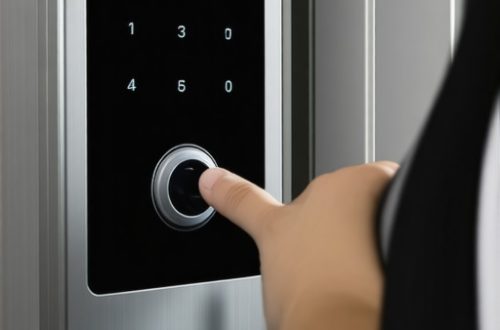
Smart deadbolt locks are increasingly becoming a staple in commercial security, offering convenience without compromising safety. If your business experiences high employee turnover or frequent contractors, digital locks can simplify access management. Plus, they reduce the risk of lost keys or lockouts. According to security experts, the key to effective smart lock integration lies in choosing systems that are compatible with your existing security infrastructure and offer robust encryption protocols—trustworthy solutions recommended by effective deadbolt lockout solutions. When installed correctly, these can significantly enhance your overall security posture, especially when combined with alarm systems and surveillance.
What Are the Practical Considerations for Maintaining and Upgrading Deadbolts Over Time?
This is a crucial question because even the most advanced locks require regular maintenance and periodic upgrades to remain effective. Routine inspections for signs of wear, lubricating moving parts, and ensuring strike plates are properly aligned can prevent unexpected failures. Additionally, staying informed about the latest security advancements allows you to upgrade to newer models before vulnerabilities arise. For example, upgrading from traditional mechanical deadbolts to smart locks or multi-point locking systems can provide enhanced security features and better accommodate evolving threats. Remember, consulting with a professional locksmith can help you develop a proactive maintenance schedule tailored to your business needs, ensuring your security measures stay one step ahead of potential breaches.
If you’re eager to explore more about the latest in commercial lock systems and expert security tips, I encourage you to check out detailed guides on reliable auto lockout and deadbolt solutions, which can be found at reliable auto lockout solutions. Sharing your experiences or questions in the comments can also help foster a community of security-conscious business owners dedicated to protecting their assets effectively.
Reflecting on Real-World Experiences: The Nuances of Deadbolt Effectiveness
My journey into understanding commercial deadbolt security has been anything but straightforward. Beyond the technical specs and industry standards, I’ve come to appreciate the nuanced interplay between lock material, installation quality, and the environment in which they operate. One particular experience stands out—seeing how a well-chosen, properly installed deadbolt in a high-traffic retail space significantly deterred attempted break-ins, reaffirming that attention to detail can make all the difference. This hands-on perspective has deepened my appreciation for integrating robust physical security with smart, adaptive solutions.
Why Material Choices Can Be a Game Changer in Security Strategy
Delving into material science, I discovered that steel, especially hardened steel, offers superior resistance against cutting and drilling—yet, the choice of material must harmonize with other security features. Brass, while corrosion-resistant, may not withstand the same brute-force attacks, though it can be combined with anti-saw plates and drill-resistant cylinders for enhanced protection. I learned that selecting the right combination of materials and features isn’t just about strength but also about longevity and maintenance. For example, in coastal environments, choosing corrosion-resistant alloys can prevent rust and ensure consistent performance over years, reducing the need for frequent replacements.
Addressing the Complexities of Smart Deadbolt Integration in Commercial Settings
Integrating smart deadbolts isn’t simply a matter of installing digital locks; it involves understanding cybersecurity risks, user management, and system compatibility. My research and conversations with security experts revealed that choosing systems with end-to-end encryption and remote management capabilities is vital. Moreover, I found that a layered approach—combining smart locks with surveillance and alarm systems—creates a resilient security ecosystem. For businesses with high employee turnover or multiple contractors, digital access controls streamline management but require regular audits to prevent vulnerabilities. According to authoritative sources, such as effective deadbolt lockout solutions, proactive monitoring and updates are essential for maintaining security integrity.
How Can Advanced Material and Technological Innovations Evolve Future Security Measures?
This question has fascinated me as I explore the cutting edge of security technology. The emergence of composite materials and nanotechnology could revolutionize lock durability and tamper resistance. For instance, research into polymer composites reinforced with carbon nanotubes suggests potential for lighter, yet stronger lock components that resist sophisticated attack methods. Similarly, biometric integrations, such as fingerprint or facial recognition, are beginning to complement traditional deadbolts, offering seamless yet secure access. The challenge lies in balancing convenience, cost, and security—an ongoing puzzle that drives innovation. For those interested, consulting trusted sources like reliable deadbolt lockout solutions can provide insights into emerging trends and practical applications.
Sharing your own experiences or insights into advanced security solutions can foster a vibrant community of proactive business owners. Whether you’re considering smart locks, upgraded materials, or integrated security systems, engaging with experts and peers can help refine your approach and stay ahead of evolving threats. Feel free to leave comments or ask questions—your journey toward fortified security is a continuous learning process, and I’m here to explore it with you.
Are Smart Deadbolts the Future of Commercial Security?
As my journey into high-level security solutions deepened, I began exploring how integrating smart deadbolt technology can revolutionize business protection. These intelligent locks, equipped with features like remote access, audit logs, and temporary lockouts, offer unparalleled control for dynamic environments. Yet, the integration process isn’t just plug-and-play; it demands careful consideration of cybersecurity risks, system compatibility, and user management. I’ve found that selecting systems with end-to-end encryption and robust firmware updates significantly mitigates potential vulnerabilities, aligning with expert recommendations such as those from trusted locksmith insights. Combining these with layered security measures like surveillance and alarm systems creates a resilient ecosystem that adapts seamlessly to high-turnover scenarios and multi-tenant needs.
How Do Material Innovations Shape Future Lock Security?
Delving into the science behind lock materials, I uncovered fascinating advancements—particularly the potential of composite materials reinforced with nanotechnology. For instance, polymer composites embedded with carbon nanotubes promise lighter yet stronger lock components, resistant to cutting, drilling, and even sophisticated tampering techniques. This evolution in materials science opens avenues for creating high-security locks that are not only durable but also more resistant to environmental wear, especially in coastal or corrosive environments. Such innovations could redefine standards for long-term performance, reducing maintenance costs and enhancing overall security integrity. I encourage stakeholders to stay informed about emerging technologies, as they hold the key to next-generation physical security solutions that are both resilient and adaptable.
Can Combining Material Strength and Technological Features Provide a Holistic Security Solution?
From my perspective, the intersection of advanced materials and smart technology offers a promising pathway toward comprehensive security. For example, pairing hardened steel or nanocomposite components with biometric access control or encrypted digital systems creates a multi-layered barrier against intrusions. This synergy ensures that even if one layer is compromised, others remain intact, significantly increasing the difficulty for potential breaches. Implementing such integrated solutions requires meticulous planning and expert consultation—something I’ve experienced firsthand when coordinating with professional locksmiths for custom installations. If you’re eager to explore how these cutting-edge approaches can be tailored to your business, I recommend reviewing specialized resources and engaging with trusted security providers who understand the nuances of material science and digital integration.
What Are the Practical Steps to Ensure Longevity and Upgradability of Your Lock System?
Ensuring your security infrastructure remains robust over time involves more than initial installation. Regular inspections for wear, timely upgrades to incorporate new security features, and staying abreast of technological advancements are vital. I’ve learned that establishing a proactive maintenance schedule—such as lubricating moving parts, verifying strike plate alignment, and testing electronic components—prevents unexpected failures. Moreover, embracing modular lock designs facilitates upgrades without complete replacements, saving costs and minimizing operational disruptions. Consulting with professional locksmiths who specialize in high-security systems can help craft a tailored plan that adapts to your evolving needs, ensuring your security measures stay one step ahead of emerging threats.
If you’re interested in integrating innovative materials and smart technology into your security strategy, I invite you to explore more about reliable deadbolt lockout solutions and advanced systems at trusted locksmith resources. Sharing your experiences or questions in the comments can foster a community dedicated to proactive security management, where continuous learning is key.
< }
}
Things I Wish I Knew Earlier (or You Might Find Surprising)
1. The Material Matters More Than I Thought
Initially, I underestimated how much the choice of material impacts deadbolt effectiveness. After exploring various options, I realized that hardened steel bolts are far superior against tampering compared to brass or standard steel, especially in high-security settings. Personal experience taught me that investing in quality materials can save a lot of headaches later.
2. Proper Installation Is Half the Battle
Even the best deadbolt can be weak if installed incorrectly. I once saw a deadbolt fail during a break-in attempt simply because the strike plate wasn’t reinforced. Now I understand that professional installation and reinforcement with anti-saw plates are essential for real security.
3. Smart Locks Are Revolutionizing Business Security
When I first considered smart deadbolts, I thought they’d be complicated. But after trying them out, I found that remote access and audit logs significantly streamline security management, especially for high-turnover environments. They’re worth the investment if integrated thoughtfully.
4. Regular Maintenance Can’t Be Overstated
Locks are like any other mechanical system—they need regular checkups. Lubricating moving parts and inspecting for wear can prevent failures at critical moments. I learned this the hard way when a lockjam almost locked me out during a busy day.
5. Material Innovations Will Shape Future Security
Emerging materials like nanocomposites and smart biometric integrations excite me. They promise lighter, stronger, and more secure solutions that could redefine what we expect from deadbolts. Staying informed about these trends is key to future-proofing your business security.
Resources I’ve Come to Trust Over Time
- AHJ Solutions: Their guides on lock standards and installation tips have been invaluable for understanding what makes a deadbolt truly secure.
- Pro Locksmith Co: Their articles on smart lock integration and advanced security features helped me navigate modern security options with confidence.
- Security Magazine: I appreciate their in-depth analysis of emerging materials and technology trends, keeping me ahead of potential threats.
Parting Thoughts from My Perspective
Reflecting on my journey into commercial deadbolt security, I realize that choosing the right materials, ensuring proper installation, and staying updated on technological advances are crucial. Deadbolts are more than just locks—they’re a vital part of your overall security strategy. If you’re serious about protecting your business, don’t overlook the importance of professional advice and regular maintenance. Remember, security is an ongoing process, not a one-time setup. If this resonates with you, I’d love to hear your experiences or questions. Sharing insights helps us all stay a step ahead in safeguarding our assets.


Reading about the importance of a reliable lockout system really resonated with me because I’ve experienced the chaos of being locked out of my own premises. It’s a stressful situation that can disrupt the entire day, especially in a busy business environment. One thing I’ve learned is that integrating smart deadbolt systems with backup mechanical keys or emergency access procedures can really make a difference. It’s also worth noting that regular maintenance checks and updates for digital locks are crucial to prevent vulnerabilities from cyber threats. I wonder, for those who have adopted smart lock systems, how do you handle cybersecurity concerns, especially around encryption and firmware updates? It seems that combining traditional physical security with digital solutions, while ensuring their security, is the way forward for comprehensive business protection. Would love to hear how others balance convenience and security when upgrading their lock systems.
Your experience with a lockout really highlights a critical point about the importance of reliable access solutions for businesses. That chaos during a busy morning must have been stressful! I completely agree that integrating backup methods like mechanical keys or emergency access is essential. In my own business, we’ve incorporated smart locks with key override options for exactly that reason, ensuring we’re never completely locked out. However, with smart systems, cybersecurity remains a concern. I’d be interested to hear from others about their protocols for firmware updates or managing encryption keys to keep their digital locks secure. It seems that combining both physical and digital security measures provides a more resilient system, especially in high-traffic environments. Have you or others found effective ways to balance these aspects while maintaining ease of access for staff and contractors? Sharing these insights could help many businesses improve their security and operational continuity.
This post really hits close to home, especially with my recent experience of being locked out during a crucial moment. It’s surprising how such incidents can expose vulnerabilities in business security, making it clear that reliable lockout and deadbolt solutions aren’t just accessories but essentials. I’ve also been considering upgrading to smarter deadbolt systems that offer remote access and audit trails. However, I wonder about the cybersecurity risks associated with these smart locks. How do other businesses ensure their digital security isn’t compromised, particularly during firmware updates or in managing encryption? It would be interesting to hear about effective strategies to balance convenience with robust security practices. From my perspective, blending physical and digital measures seems the most prudent approach. Has anyone experienced significant benefits or faced challenges with integrating smart technology into their existing security infrastructure? Your insights could be really helpful for those of us looking to make informed upgrades.