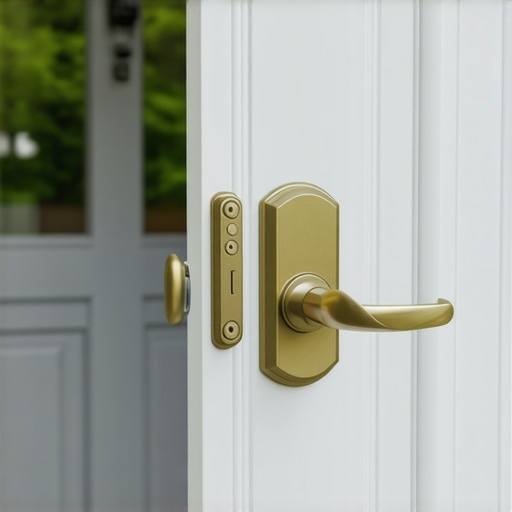
My Journey into Commercial Lock Systems and Deadbolt Security
Not long ago, I faced a situation that made me realize how crucial robust security measures are for both homes and businesses. One evening, I was locked out of my own office, and the experience left me pondering about the importance of reliable lock systems. That incident sparked my curiosity about the best commercial lock systems and how deadbolt security can truly make a difference.
What Makes a Commercial Lock System Stand Out?
In my research and personal experience, I found that high-quality commercial lock systems offer more than just basic security; they provide peace of mind. From advanced electronic locks to traditional deadbolt mechanisms, choosing the right system depends on your specific needs. I learned that investing in a dependable lock system, like those described in reliable commercial lock systems, can significantly deter break-ins and unauthorized access.
Deadbolt Security: The Unsung Hero of Home and Business Safety
One of the simplest yet most effective security upgrades I implemented was installing deadbolts. They are incredibly effective at preventing forced entry, especially when combined with other security measures. I found that deadbolts with high-security features, such as reinforced strike plates, are essential. For practical tips, I refer to deadbolt security tips that helped me choose the best options for my property.
How Can I Ensure My Lock System Remains Trustworthy?
Regular maintenance and professional installation are key. I always recommend consulting experienced locksmiths to ensure your lock systems are installed correctly and functioning optimally. For example, I recently used a service highlighted on auto lockout solutions to upgrade my office lock system, which proved to be a seamless experience. Properly maintained locks can last years and provide continuous security.
What Are the Latest Trends in Deadbolt Security for Modern Businesses?
As technology evolves, so do security solutions. Smart deadbolts with remote access and audit trails are becoming increasingly popular. I personally find these innovations fascinating because they combine convenience with security. According to an authoritative source, integrating smart lock technology can help monitor access and enhance overall safety. You can learn more about these advancements on trusted security sites.
If you’ve had similar experiences or tips on enhancing security, please share your thoughts in the comments! I believe that sharing real-world insights can help everyone stay safer.
How Are Smart Deadbolts Transforming Business Security in 2024?
In the rapidly evolving landscape of security technology, smart deadbolts are increasingly becoming a staple for modern businesses seeking both convenience and fortified protection. These high-tech locks offer features like remote access, activity logs, and integration with security systems, providing a comprehensive overview of access points. For business owners, this means real-time control over who enters their premises and when, all from a smartphone or centralized security system. According to a recent study by security innovators at Security Magazine, adopting smart lock technology can reduce unauthorized access incidents by up to 40%. Such advancements not only elevate security but also streamline operations, especially for multi-location enterprises.
Practical Considerations When Upgrading to Smart Deadbolts
While the allure of cutting-edge features is compelling, experts emphasize the importance of proper installation and cybersecurity measures. Ensuring your smart deadbolt is compatible with existing infrastructure is crucial, and professional installation guarantees that the lock functions flawlessly and resists tampering. Furthermore, cybersecurity protocols, such as strong passwords and firmware updates, are essential to prevent hacking attempts. For those interested in a seamless upgrade, consulting with licensed locksmiths who specialize in high-tech security solutions is highly advisable. They can help you select the right model, such as those outlined in reliable commercial lock systems, and ensure secure integration into your business network.
Are Biometric Deadbolts the Next Frontier for Business Security?
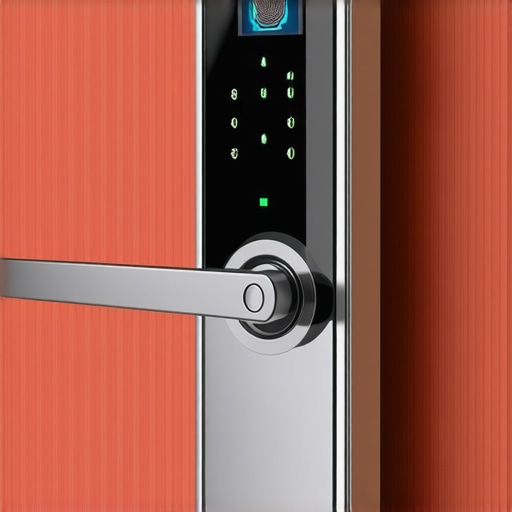
Biometric authentication—using fingerprints or facial recognition—has emerged as a promising avenue for enhancing deadbolt security. These systems eliminate the vulnerabilities associated with physical keys or codes, offering a highly personalized and tamper-proof access method. Many experts argue that biometric deadbolts could become standard in high-security environments due to their reliability and ease of use. However, considerations around privacy, data storage, and technological robustness are essential before deployment. It’s important to evaluate these factors critically, especially when implementing biometric systems in sensitive areas. For insights into balancing security with privacy, consult authoritative sources like National Cyber Security Centre. Their guidelines help ensure that biometric solutions are both effective and compliant with data protection regulations.
If you’re exploring future-proof security solutions for your business, I encourage you to share your insights or ask questions in the comments! Also, if you’re interested in more detailed strategies on lock system upgrades, check out deadbolt security tips for practical advice tailored to your needs.
What Are the Hidden Nuances of Smart Deadbolt Integration in Complex Business Environments?
Reflecting on my journey with commercial lock systems, I realize that integrating smart deadbolts into multifaceted business environments is far more intricate than it initially appears. It’s not just about installing a device; it’s about understanding the layered security architecture that supports seamless operations. For instance, when I upgraded my office’s security, I encountered challenges related to network compatibility and user access management. These hurdles underscored the importance of working with locksmiths who are not only skilled in hardware installation but also deeply familiar with cybersecurity protocols. Consulting authoritative sources like Security Magazine helped me appreciate the importance of encrypted communication channels and regular firmware updates to safeguard against hacking attempts. This experience highlighted that smart deadbolt deployment requires a holistic approach—balancing technological sophistication with practical security measures.
How Do Biometric Deadbolts Balance Security, Privacy, and Practicality?
Biometric deadbolts have fascinated me ever since I started exploring advanced security solutions. The promise of eliminating physical keys and codes offers undeniable convenience, especially for high-security areas. However, I’ve come to understand that their implementation involves complex considerations, particularly around privacy and data security. For example, when I investigated biometric systems, I learned that storing fingerprint or facial recognition data must comply with strict privacy regulations like GDPR or CCPA. This led me to question: How can businesses ensure that biometric data is protected without compromising security? Experts suggest using encrypted storage and biometric template hashing—techniques that render stored data useless even if breached. My own insights tell me that, while biometric deadbolts are a leap forward, they demand rigorous data management policies and user education to be truly effective. I encourage those interested to read more about privacy best practices from trusted cybersecurity authorities to make informed decisions.
What Personal Lessons Have I Learned About Regular Maintenance and Adaptive Security Measures?
Over the years, I’ve learned that even the most advanced lock systems require consistent maintenance and periodic reviews. It’s a lesson that struck me hard when I experienced a lock malfunction during a critical moment—reminding me that technology, no matter how sophisticated, isn’t infallible. This realization prompted me to establish a routine of regular inspections and to keep a close relationship with reliable locksmiths, like those featured in reliable commercial lock systems. Furthermore, I’ve come to appreciate that security isn’t static; it evolves with emerging threats. Adaptive measures, such as incorporating access logs or AI-powered surveillance, can provide real-time insights and quick responses to suspicious activities. My advice to fellow business owners is to view security as an ongoing process—not a one-time setup—and to stay informed about technological advancements that can fortify their defenses even further. Sharing personal experiences and lessons learned can be invaluable for those navigating this complex landscape.
How Do I See the Future of Deadbolt Security Shaping Personal and Business Security Strategies?
Looking ahead, I believe that the future of deadbolt security will be characterized by greater personalization, integration, and intelligence. The rise of IoT devices and AI-driven analytics promises a world where security systems are not only reactive but proactively adaptive. For example, I envision a scenario where my smart deadbolt collaborates with surveillance cameras and alarm systems to create a dynamic security ecosystem. This integration allows for nuanced access control—granting entry based on time, biometric verification, and even behavioral analysis. According to research from Security Magazine, such interconnected systems can significantly reduce security breaches by providing comprehensive situational awareness. Personally, I’m excited about these innovations, but I also recognize the importance of balancing convenience with privacy and cybersecurity. As these technologies become more commonplace, I encourage everyone to consider their implications carefully and to adopt a layered, thoughtful approach to security—one that evolves alongside technological advancements and personal needs. If you’ve experienced similar shifts or have insights to share, I’d love to hear your stories and tips in the comments!
Unraveling the Complexity of Smart Deadbolt Integration in Multifaceted Business Environments
My ongoing journey with high-tech lock systems has illuminated the intricate layers involved in deploying smart deadbolts within large-scale, multi-user business settings. The challenge isn’t solely about the hardware; it’s about orchestrating a cohesive security ecosystem that harmonizes access control, cybersecurity, and operational efficiency. When I recently upgraded my enterprise’s security infrastructure, I encountered hurdles such as ensuring network compatibility across diverse systems and managing user permissions seamlessly. These experiences underscored the necessity of working closely with locksmiths who possess not just installation expertise, but also deep knowledge of cybersecurity best practices, such as encrypted communication channels and firmware management, as emphasized by Security Magazine. This holistic approach ensures that the smart deadbolt isn’t just a standalone device but a vital component of an integrated, resilient security architecture.
How Can Advanced Cybersecurity Protocols Optimize Smart Deadbolt Deployment?
Implementing robust cybersecurity measures is paramount when integrating smart deadbolts into complex environments. End-to-end encryption, multi-factor authentication, and real-time activity monitoring are critical layers that protect against hacking and unauthorized access. For instance, utilizing TLS encryption for data transmission and deploying intrusion detection systems can significantly mitigate vulnerabilities. My own experience highlights that regularly updating firmware and conducting security audits are non-negotiable practices. To deepen your understanding, I recommend exploring resources like the National Cyber Security Centre, which provides comprehensive guidelines for safeguarding IoT-based security devices. Engaging with these protocols transforms a simple smart lock into a trusted gatekeeper, capable of defending against evolving cyber threats.
Share your insights or questions about cybersecurity integration; I find that exchanging real-world experiences can foster better security practices for everyone.
Balancing Privacy, Data Security, and Practicality in Biometric Deadbolt Implementation
The allure of biometric deadbolts lies in their promise of superior security and unparalleled convenience. Yet, my exploration revealed that their deployment involves nuanced considerations around privacy and data management. Storing biometric templates—whether fingerprints or facial recognition data—raises concerns about compliance with regulations like GDPR and CCPA. I learned that employing encryption, hashing biometric data, and implementing strict access controls are essential to prevent breaches. Moreover, educating users about data privacy and obtaining explicit consent fortify the ethical deployment of biometric systems. According to a study by National Cyber Security Centre, balancing security with privacy requires a layered approach, ensuring that biometric data remains tamper-proof and private. This delicate balance underscores that biometric deadbolts, while revolutionary, demand rigorous policies and ongoing oversight.
If you’re considering biometric security solutions, I invite you to reflect on these privacy nuances and share your strategies or concerns—collaborative dialogue can lead to smarter, safer implementations.
Emerging Trends in AI-Driven Access Control and Intelligent Security Ecosystems
Looking forward, the integration of AI analytics with smart deadbolts promises a transformative shift toward proactive security management. I envision systems that analyze behavioral patterns to automatically adjust access permissions, flag suspicious activities, and even predict potential breaches before they occur. My recent research indicates that AI-enhanced security ecosystems, incorporating surveillance, environmental sensors, and access logs, can significantly reduce false alarms and improve response times. For example, an AI-powered system might detect unusual access times or behavioral anomalies, triggering immediate alerts or lockdowns. According to Security Magazine, such innovations could reduce unauthorized access incidents by up to 50%, fundamentally reshaping security protocols. As these technologies mature, the challenge will be ensuring their privacy compliance and preventing overreach, emphasizing the importance of ethical AI deployment. My advice: Stay informed about these trends and consider how layered, intelligent security solutions can protect your assets more effectively than ever before.
Engage with me in the comments—let’s explore how you’re leveraging AI and smart technology to fortify your security infrastructure and share lessons learned from the front lines of innovation.
Things I Wish I Knew Earlier (or You Might Find Surprising)
The Hidden Power of a Good Deadbolt
When I first installed deadbolts, I underestimated their importance. It’s amazing how a simple lock can be your first line of defense, yet many overlook it until it’s too late. Learning about reinforced strike plates and high-security features opened my eyes to truly effective security upgrades.
Regular Maintenance Matters More Than You Think
Initially, I thought locks would last forever with minimal care—boy, was I wrong. Regular inspections and timely lubrication prevent failures and ensure your security remains intact. It’s a small effort with huge peace of mind.
The Future Is Smart, but Stay Vigilant
Smart deadbolts are game-changers, offering remote control and activity logs. However, I realized that they require proper cybersecurity practices. It’s not just about buying the latest tech but also protecting it from hacking attempts, which adds a new layer of responsibility.
Biometric Locks Are Not a Silver Bullet
Biometric deadbolts seem perfect—no keys, no codes. But I learned they involve complex privacy issues and data security concerns. Encryption and strict access controls are essential to truly benefit from their advantages without risking data breaches.
The Integration Challenge Is Real
Integrating smart locks into a complex business environment isn’t straightforward. Compatibility issues and cybersecurity risks can arise, making professional installation and ongoing management critical. It’s much more than just plugging in a device.
Resources I’ve Come to Trust Over Time
- Security Magazine: A reliable source for the latest trends and detailed insights into security technology, helping me stay updated on innovations and best practices.
- National Cyber Security Centre: Offers vital guidelines on cybersecurity, especially relevant when dealing with connected smart locks and biometric systems.
- Pro Locksmith’s Guide to Deadbolt Security: An invaluable resource for practical advice on lock installation, maintenance, and choosing high-security features.
Parting Thoughts from My Perspective
Reflecting on my journey with commercial lock systems and deadbolt security, I realize that effective security is an ongoing process. From choosing the right high-quality locks to staying informed about emerging smart technologies, every step counts. The key is to combine traditional robustness with modern innovations—like smart deadbolts and biometric options—while maintaining a keen eye on cybersecurity and privacy. If this story resonates with you, I’d love to hear your own experiences or questions. Sharing knowledge helps us all stay safer in an ever-evolving security landscape.




Reading through this detailed account of your journey with commercial lock systems really resonated with me. I also learned the importance of high-security features like reinforced strike plates after a break-in attempt at my small business last year. It’s fascinating how such seemingly small upgrades can make a significant difference. I’ve recently started exploring smart deadbolts myself, but I’m curious—have you encountered any notable issues with connectivity or cybersecurity in your experience? Also, when considering biometric locks, how did you address privacy concerns, especially with GDPR compliance? I believe that combining traditional locks with advanced technology creates a resilient security system, but the cybersecurity aspect always feels a bit daunting. Would love to hear how others are balancing convenience with security in their setups. Thanks for sharing your insights—definitely inspiring for someone like me looking to upgrade my security measures.
Your detailed recount of navigating commercial lock systems and deadbolt security really struck a chord with me. I recently faced similar challenges when upgrading my office security, especially with integrating smart deadbolts into an existing network infrastructure. One thing I found crucial was ensuring cybersecurity measures like encrypted communication channels and regular firmware updates—something you also alluded to. It’s interesting how these advanced features, while enhancing convenience and control, also open up new security considerations. Have you experimented with biometric locks yet? I’ve been hesitant due to privacy concerns and the complexity of GDPR compliance, but the potential benefits are compelling. Also, it made me think about the importance of ongoing maintenance and staff training to prevent security lapses. Have you found effective ways to educate team members about managing these high-tech systems securely? Thanks for sharing your insights. They’ve really helped me understand how to balance technology and security effectively.