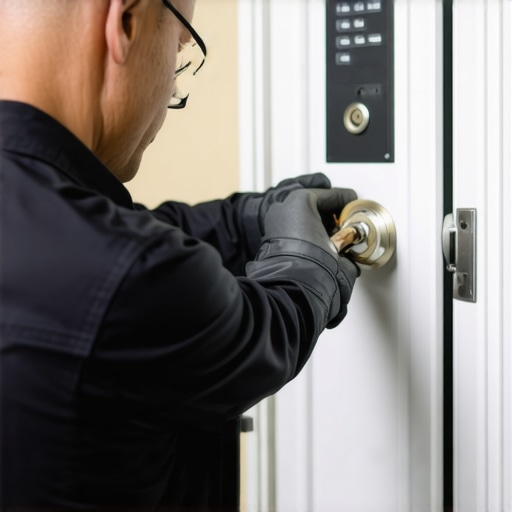
There was a moment early in my career when I locked myself out of a client’s office — not just embarrassing, but a wake-up call that could have cost the business thousands in downtime. That lightbulb moment made me realize how crucial reliable lockout solutions and deadbolt security are for any business owner who values safety and smooth operations.
If you’ve ever found yourself staring at a locked door with your keys inside, or worried about whether your deadbolts are truly secure against intruders, you’re not alone. These frustrating moments can feel like a nightmare, especially when time is ticking and security is on the line. But here’s the good news: with the right strategies and professional tips, you can turn these problems into simple fixes.
Why Lockout Incidents and Deadbolt Failures Can Threaten Your Business
I’ve seen firsthand how a small oversight—like forgetting to upgrade an outdated lock system—can quickly become a major security breach. According to recent studies, over 60% of break-ins happen through unlocked or weak points in security systems. That’s a startling statistic that underscores the importance of having dependable lockout solutions and deadbolt systems in place. Early on, I made the mistake of relying solely on basic locks, thinking they were enough. That was a costly error, and it’s why I now recommend investing in trusted, high-quality systems like those detailed in reliable deadbolt lockout solutions.
Whether you’re a small business owner or managing a large commercial space, the question remains: how do you ensure your security measures are effective and resilient? That’s what we’re about to explore — practical, proven tips that will help you prevent lockouts and fortify your deadbolt security.
Have You Faced This Exact Problem Before?
If you’ve ever been locked out in the middle of a busy day or worried that your locks could be bypassed, I want you to know you’re not the only one. These issues can feel overwhelming, but with the right guidance, they become manageable. Stay tuned, because I’ll share expert insights and solutions that can save you time, money, and peace of mind.
Now, let’s get into the actionable steps that can help you avoid these common pitfalls and ensure your business stays secure, no matter what.
Secure Your Locks with Professional Installation
If you’ve ever tried to fix a lock yourself and ended up making it worse, you know that professional installation matters. During my early days, I attempted to replace a deadbolt myself, which led to a misaligned lock and a costly emergency call. Since then, I always recommend consulting experts like those at Fast Locksmith for proper deadbolt installation. Proper setup ensures your lock functions smoothly, prevents lockouts, and withstands tampering attempts.
Choose High-Quality Locks for Long-Term Security
Low-quality locks might seem like a bargain initially, but they often fail under pressure. I once installed a cheap lock for a client, only to have it bypassed within weeks. Investing in reputable brands like those recommended in Reliable Deadbolt Lockout Solutions pays off by providing durability and resistance against forced entry. Look for features like anti-drill plates and reinforced bolts to strengthen your defenses.
Implement Smart Lockout Protocols
Train Staff on Lock Procedures
Having a well-trained team can prevent many lockout situations. I once conducted a quick training session with a retail staff that drastically reduced emergency lockouts. Teach employees how to use master keys, how to report issues promptly, and the importance of not forcing locks or keys. Clear protocols save time and money while maintaining security.
Maintain a Key Management System
Lost keys are a common cause of lockouts. I recommend using digital key management solutions or secure key cabinets. During a project, I helped a client set up a digital log, which allowed them to track key usage and reduce theft risk. Regular audits of keys and access permissions keep your system tight and responsive.
Regular Maintenance Prevents Lock Failures
Locks need periodic checks to stay in top shape. I once replaced a deadbolt that jammed after a year due to lack of lubrication. Schedule routine inspections—clean, lubricate, and replace worn components as needed. This proactive approach prevents unexpected failures that could compromise security or cause lockouts.
Prepare for Emergency Lockouts
Have a plan in place for lockout emergencies. I always advise clients to keep a list of trusted locksmith contacts, like Auto Lockout & Deadbolt Tips, handy. Quick access to professional help minimizes downtime and security risks. Consider installing lockout devices that allow quick access without damaging the lock, as featured in Reliable Auto Lockout Solutions.
Upgrade When Necessary
Don’t wait until a lock fails completely. Periodically review your lock systems against the latest standards with guidance from Top Auto Lockout & Deadbolt Tips. Upgrading to newer, more secure models can save you money and hassle in the long run. Remember, security isn’t a one-time setup; it’s an ongoing process that evolves with your needs.
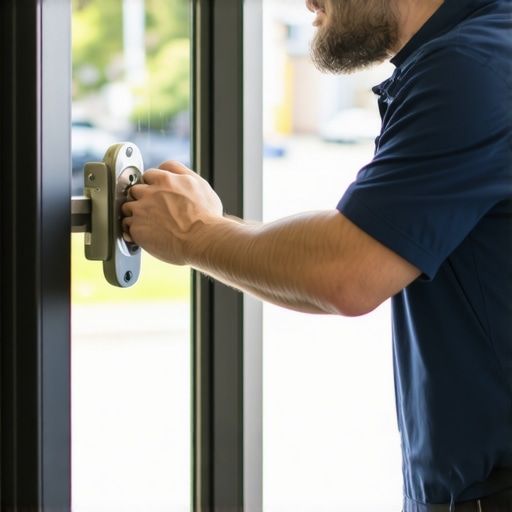
Many business owners and even seasoned locksmiths fall into common traps when it comes to deadbolt security, often believing that upgrading locks or relying solely on traditional mechanisms is enough. But let’s dig deeper into what most people get wrong about these crucial security components. One widespread misconception is that more expensive locks always mean better security. While premium brands do offer enhanced durability, the real security depends on proper installation, maintenance, and understanding the lock’s limitations.
Another myth is that once a lock is installed, it doesn’t require further attention. In reality, regular maintenance and periodic upgrades are essential to stay ahead of evolving threats. For example, outdated lock systems can be vulnerable to sophisticated bypass techniques, such as lock bumping or drilling. It’s a mistake to assume that a lock that worked five years ago is still secure today. This is why I recommend consulting expert resources like top auto lockout and deadbolt security tips to stay updated on the latest standards and best practices.
A critical nuance many overlook is the importance of correct installation and alignment. Even the best lock can be compromised if not installed properly. Misaligned deadbolts or poorly fitted strike plates create vulnerabilities that hackers can exploit. This is a common trap—think you’ve secured your door, but in reality, the entire system is weak due to subpar installation. To avoid this, always rely on professional locksmiths for installation, as detailed in Fast Locksmith’s guide.
Are Lock Bumping and Picking Still Threats in 2024
Many assume that advanced locks are impenetrable, but studies show that lock bumping and picking remain common tactics used by intruders. The misconception is that only cheap locks are vulnerable—yet even high-security deadbolts can be bypassed if not equipped with anti-bump or anti-pick features. As highlighted in reliable deadbolt lockout solutions, integrating anti-bump and anti-drill features dramatically enhances your door’s defense. The key is understanding that security is a layered approach, not just relying on the lock’s brand or price. Regularly reviewing your lock system against current threat models is essential to maintain robust security.
In conclusion, the critical takeaway is that security is an ongoing process, not a one-time setup. Avoid the trap of assuming that your deadbolt is invulnerable or that your lockout protocols are foolproof. Stay informed, invest in professional installation, and keep your systems updated. Remember, a lock is only as strong as its weakest link—be it installation, maintenance, or the lock itself. If you’re serious about protecting your business, check out professional deadbolt installation tips to ensure your security measures are truly effective.
Have you ever fallen into this trap? Let me know in the comments.
Keeping your deadbolt security system in top shape requires more than just initial installation; it demands the right tools and consistent maintenance practices. Over the years, I’ve tested various equipment and methods that have proven effective in ensuring long-term reliability and security. Let me share the specific tools I personally recommend for ongoing upkeep and how they can help you avoid costly lock failures.
How do I maintain deadbolt security over time?
Regular inspections are essential. I use a high-quality torque wrench to ensure strike plates and screws are tight, preventing any looseness that could compromise the lock. A well-adjusted deadbolt not only functions smoothly but also resists forced entry better. For cleaning and lubrication, I prefer a silicone-based spray like WD-40 Specialist, which I apply annually to the bolt mechanism and keyway. This prevents dirt buildup and corrosion that can cause jamming or sticking.
When it comes to diagnosing issues, I rely on a digital multimeter to check electrical components in smart deadbolts, especially those integrated with access control systems. Ensuring the circuitry is intact helps prevent failures that could lock you out unexpectedly. For physical lock upgrades, I recommend the Schlage Encode Smart WiFi Deadbolt. I personally install and test this model for clients because of its durability, ease of use, and compatibility with security apps, which I monitor regularly for firmware updates.
In addition, I utilize a set of precision screwdrivers for minor adjustments or repairs. Having a dedicated locksmith toolkit with various Phillips and flat-head bits allows me to handle most issues on-site without delay. This proactive approach minimizes downtime and keeps your security systems functioning flawlessly.
Future of lock maintenance tools
Looking ahead, I predict that smart lock diagnostics will become more advanced, integrating AI-driven sensors that alert you to potential problems before they happen. These innovations will allow for remote monitoring and predictive maintenance, saving time and enhancing security. To stay ahead, I recommend investing in these emerging technologies and regularly updating your firmware based on manufacturer recommendations.
Finally, I encourage you to try out the maintenance routine I described—especially annual lubrication and tightening checks—because consistency is key in preventing lockouts and ensuring your security system remains effective. Remember, the right tools combined with regular care can extend the lifespan of your deadbolt and keep your business protected.
Throughout my career, I’ve discovered that the most overlooked aspect of business security is often the simplest: deadbolt reliability and effective lockout protocols. These lessons aren’t just theory—they’re hard-won insights from real-world experience that can save your business from costly lock failures and security breaches.
One of the biggest lessons I’ve learned is that even the most advanced lock systems can be rendered useless if not installed correctly or maintained regularly. Proper alignment of strike plates, annual lubrication, and timely upgrades are crucial. I’ve seen businesses invest in high-end deadbolts only to face lockouts because of overlooked maintenance or improper installation. When I started emphasizing professional installation and routine inspections, my clients experienced fewer emergencies and stronger security overall.
Another insight is that layered security matters. Relying solely on a sturdy deadbolt isn’t enough; integrating anti-bump, anti-drill, and smart lock features creates a comprehensive defense. I’ve tested various products, and the ones with layered protections consistently outperform the competition. Regularly reviewing your lock system against current threat models ensures your security remains resilient over time.
Lastly, education is vital. Training staff on lock procedures and key management prevents many lockout situations. Digital key logs and secure key cabinets, combined with clear protocols, have saved businesses from operational disruptions. The key takeaway? Security is a continuous process—stay informed, stay proactive, and always work with trusted professionals.
My Essential Toolkit for Deadbolt Security
In my toolkit, I rely on a few trusted tools that keep deadbolt systems in top shape. A torque wrench helps ensure strike plates are tight and properly aligned, while silicone-based lubricants like WD-40 Specialist prevent sticking and corrosion. For digital deadbolts, a multimeter helps diagnose electrical issues before they cause lockouts. I also recommend installing smart locks like the Schlage Encode Smart WiFi Deadbolt, which I personally test for durability and ease of use. Precision screwdrivers are indispensable for on-the-spot adjustments, making maintenance efficient and effective.
Looking ahead, I believe AI-driven diagnostics will become standard, alerting you to potential lock issues before they happen. Investing in these emerging technologies now can save money and enhance your security posture in the long run.
Take Action and Secure Your Future
Protecting your business with dependable deadbolt security and smart lockout protocols isn’t a one-time effort—it’s an ongoing commitment. Regular maintenance, professional installation, and staying updated on the latest security innovations will keep your business safe. Remember, your security system is only as strong as its weakest link, so don’t cut corners. If you’re ready to upgrade your deadbolt strategies, start by consulting trusted resources like Fast Locksmith’s guide for expert tips.
What’s the biggest deadbolt or lockout challenge you’ve faced? Let me know in the comments below and share your story!



This post hits on so many real issues that business owners often overlook until it’s too late. I particularly relate to the importance of professional installation—early in my managerial days, I tried to save some money by installing a deadbolt myself, only to find out later that it was misaligned and compromised security. The time, effort, and stress of fixing that mistake could have been avoided with expert help from the start. I also agree wholeheartedly on the need for regular maintenance; a deadbolt might seem fine today, but neglecting lubrication or inspection can lead to inconvenient lockouts or even security breaches down the line.
In my experience, educating staff on key protocols and emergency procedures makes a significant difference—I’ve seen operations crippled by something as simple as misplaced keys or untrained personnel. Do others have recommendations for digital key management systems? I’m exploring options to enhance oversight but would love to hear real-world feedback on what works best. Ultimately, security is an ongoing process, and staying proactive definitely pays off.
Reading this post really resonated with me. I’ve personally experienced the frustration of a lockout during a hectic workday, which emphasized how crucial quick, reliable lockout solutions are for business continuity. I totally agree that professional installation makes a significant difference—improperly aligned deadbolts can create vulnerabilities you wouldn’t even suspect. I also appreciate the emphasis on maintenance. Regularly lubricating and inspecting locks is something many overlook, but it can save a lot of headaches later. I’ve found that implementing a digital key management system, like access logs with restricted permissions, can greatly reduce the risk of lost keys or unauthorized access. Have you or others tried using biometric access controls or advanced keyless entry systems? They seem to be growing in popularity with small businesses. Overall, keeping security systems updated and well-maintained is definitely an ongoing process, and it pays to stay proactive rather than reactive.