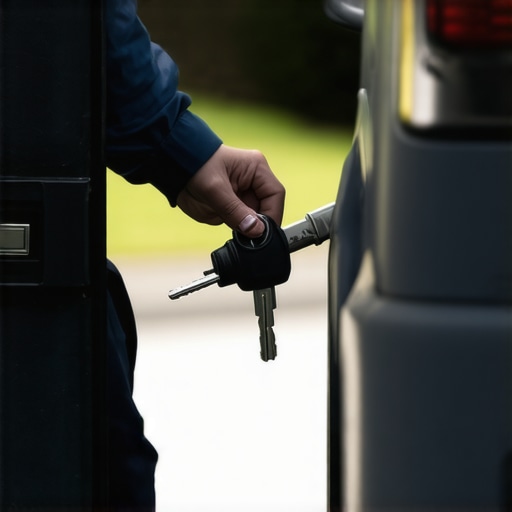
My Unexpected Auto Lockout Adventure: A Personal Wake-Up Call
It all started on a chilly Saturday morning when I found myself locked out of my car right in front of my house. Frustration quickly turned into curiosity and a pinch of panic. I realized then how crucial it is to have reliable locksmith services on speed dial. That experience nudged me to explore the ins and outs of auto lockout solutions and deadbolt installations, which I now consider essential knowledge for any homeowner or driver.
Discovering the World of Fast Locksmith Services
As I researched local locksmiths, I was impressed by how swiftly professionals respond to emergencies. Fast locksmiths are truly lifesavers, especially in situations like mine where time was of the essence. They offer not just quick entry but also expert advice on enhancing security, such as upgrading to high-security deadbolts. I found that choosing a trusted locksmith, like those who provide commercial lock systems, can make a significant difference in peace of mind.
What Makes Deadbolt Installation So Important?
After my lockout ordeal, I decided to upgrade my home’s security with professional deadbolt installation. Deadbolts are the backbone of home security, providing an extra layer of protection against intruders. I learned that proper installation is vital—it’s not just about buying a deadbolt but ensuring it’s installed correctly. Reliable service providers often combine deadbolt installation with other security upgrades, which I found to be a wise investment. For more detailed tips, I checked out deadbolt installation guides.
How Do I Know if My Auto Lock and Deadbolt Are Up to Par?
Honestly, I used to think all locks were created equal—until I started diving into the specifics. The key is to look for locks that meet industry standards for durability and security, such as those recommended by locksmith experts. Regular maintenance and timely upgrades are also critical. For example, I now pay attention to the quality of my car’s auto lock systems and ensure my home’s deadbolts are functioning perfectly. This proactive approach has saved me from potential emergencies, especially during harsh weather or late-night hours.
Ever Wonder How to Choose the Right Lock for Your Needs?
It’s a question I constantly ask myself. Choosing the right lock depends on your specific security needs and budget. Whether it’s a simple deadbolt or an advanced electronic lock, understanding your options helps you make informed decisions. Consulting with a professional can clarify which solutions fit best, like those who specialize in commercial auto lockout scenarios or high-security residential systems.
If you’ve had similar experiences or want to share your locking up stories, I’d love to hear your thoughts in the comments below! Remember, being prepared and knowing your options can turn a stressful lockout into a manageable situation.
Unlocking the Secrets: How Do Experts Determine the Best Lock for Your Home or Business?
When it comes to securing your property, understanding the nuances of lock selection is crucial. Experts consider several factors, such as the location of the lock, the level of security required, and the potential threats specific to your environment. For instance, high-traffic commercial spaces often benefit from advanced electronic or smart locks, while residential homes might prioritize durability and ease of use. Consulting a professional locksmith ensures you get tailored advice that aligns with your security goals, whether it’s upgrading to high-security deadbolts or integrating multi-layered locking systems.
Why Do Industry Standards Matter in Lock Selection?
Choosing locks that meet established industry standards, such as ANSI/BHMA certifications, guarantees a baseline of quality and security. These standards evaluate factors like resistance to forced entry, durability, and longevity. For example, a deadbolt graded as ANSI Grade 1 offers the highest level of security and is recommended for commercial properties and high-value residences. Relying on certified locks not only enhances your safety but also ensures compliance with local building codes and insurance requirements.
What Are the Practical Implications of Advanced Lock Technologies?
Modern lock technologies, including smart locks and biometric systems, offer unparalleled convenience and security. Experts advise considering these options for their ability to provide access logs, remote control, and integration with home automation systems. However, they also emphasize the importance of proper installation and cybersecurity measures to prevent hacking or unauthorized access. For critical security upgrades, professionals might recommend combining traditional deadbolts with advanced systems—like those featured in commercial lock systems—to create a resilient security infrastructure.
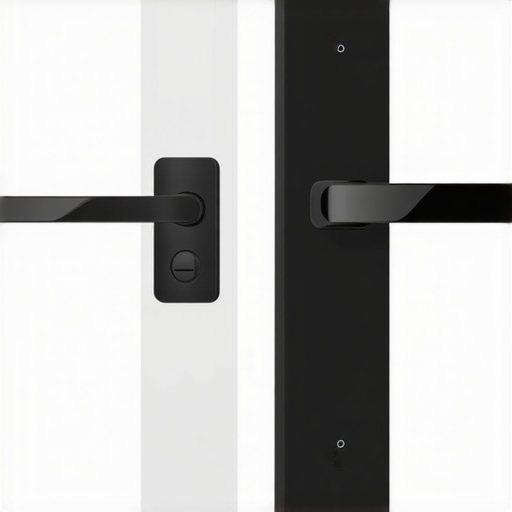
Image showing a comparison of traditional vs. electronic locks, highlighting features and security benefits.
How Can Regular Maintenance and Upgrades Extend Your Lock’s Effectiveness?
Even the most advanced locks require periodic maintenance to function optimally. Experts suggest routine inspections for signs of wear, lubrication of moving parts, and timely upgrades to counteract emerging threats. For example, a well-maintained deadbolt can resist forced entry longer than a neglected one. Additionally, integrating a security audit with a professional locksmith can reveal vulnerabilities and suggest improvements, such as upgrading to models with enhanced pick resistance or incorporating multiple locking points. This proactive approach ensures your security measures stay ahead of potential intruders.
Are there overlooked factors that influence lock security beyond the lock itself?
Absolutely. Factors like door material, frame strength, and even installation quality significantly impact overall security. A sturdy door with a weak frame or poor installation can undermine an otherwise high-quality lock. Experts often stress the importance of comprehensive security assessments—considering not just the lock but the entire entry point. For detailed guidance on strengthening your doors and frames, explore resources like deadbolt security tips. Remember, a lock is only as strong as its weakest link, making holistic security planning essential.
Reflections on the Intricacies of Lock Security: Beyond the Basics
As I continued to delve into the world of locks and security, I realized that my initial understanding was just scratching the surface. The more I learned, the more I appreciated the nuanced factors that influence a lock’s effectiveness—factors that often go unnoticed until an emergency strikes. For instance, I discovered that the material quality of a lock’s internal components, such as the cylinder and pins, significantly impacts its resistance to picking or forced entry. This insight pushed me to demand higher standards when selecting new locks for my home or vehicle.
How Do Industry Certifications Elevate Your Security Strategy?
One of the most eye-opening revelations was the importance of industry standards like ANSI/BHMA certifications. These certifications act as a benchmark for quality and security, assuring that a lock has passed rigorous testing for durability, pick resistance, and attack resistance. For example, a deadbolt graded as ANSI Grade 1 offers the highest level of security—something I now prioritize when upgrading my home’s locks. Relying on certified locks not only provides peace of mind but also aligns with insurance requirements, which increasingly favor high-security hardware. For detailed guidance, I recommend reviewing deadbolt installation guides to understand what standards to look for.
The Cost of Cutting Corners: Why Premium Locks Matter
Initially, I was tempted to opt for cheaper lock options, thinking they would suffice. However, my research and personal experience taught me that investing in premium locks pays dividends in long-term security and reliability. Cheaper locks often use inferior materials, making them more susceptible to lock picking, drilling, or other forms of forced entry. Moreover, they tend to wear out faster, requiring frequent replacements. Choosing high-quality, certified locks is akin to investing in a strong, dependable partnership—one that ensures your safety and peace of mind over years. For advanced security solutions, exploring commercial lock systems can offer additional layers of protection tailored to your needs.
Can Smart Lock Technologies Truly Replace Traditional Deadbolts?
This question often crossed my mind as I contemplated upgrading my home security with smart locks. Initially, I was skeptical about the cybersecurity risks associated with connected devices. However, after consulting with experts and reading authoritative sources, I learned that well-designed smart locks incorporate robust encryption and security protocols to mitigate hacking risks. They offer unparalleled convenience—remote access, activity logs, and integration with home automation systems—which traditional deadbolts cannot match. Yet, experts advise that smart locks should complement, not replace, traditional high-security deadbolts, especially in high-risk areas. Combining these technologies creates a layered security approach—think of it as a fortress within a fortress. For more insights, check out commercial lock systems that incorporate smart features.
What Are the Hidden Benefits of Regular Lock Maintenance?
Beyond ensuring your locks work flawlessly, routine maintenance offers surprising benefits. Regular inspections can reveal early signs of wear—such as rust, corrosion, or misalignment—that, if left unchecked, could compromise your security. Lubricating moving parts prevents sticking and reduces the risk of lock failure. Additionally, periodic upgrades to more advanced models can keep your security system ahead of evolving threats. I learned that a proactive maintenance schedule not only prolongs the lifespan of my locks but also provides peace of mind, knowing my home and vehicle are consistently protected. For tailored advice, I recommend consulting a professional locksmith to develop a maintenance plan suitable for your specific locks and environment.
How Do Door and Frame Quality Impact Lock Security?
One often overlooked aspect is the condition of the door and its frame. Even the highest-quality lock can be undermined by a weak door or frame. I experienced this firsthand when I upgraded my deadbolt but neglected to reinforce the door material and frame. The result was a false sense of security. Experts emphasize that a sturdy, solid core door combined with a reinforced frame dramatically enhances overall security, especially when paired with high-grade locks. This holistic approach—considering the entire entry point—is crucial for effective protection. For more comprehensive security strategies, explore resources like deadbolt security tips. Remember, a lock is only as strong as the door it’s attached to, so don’t overlook this critical component.
The Intricate Art of Lock Material Science and Its Impact on Security
As I delved deeper into the world of locks, I uncovered that the material composition of internal components—such as the cylinder, pins, and housing—plays a crucial role in resisting lock picking and forced entry. High-grade materials like hardened steel and brass not only enhance durability but also significantly increase attack resistance. For instance, I learned that some premium locks incorporate anti-drill plates and reinforced cylinders to thwart common attack vectors. This nuanced understanding compelled me to scrutinize the internal build quality when selecting locks, going beyond superficial features to ensure robustness. Experts like those from the Security Management journal emphasize that material integrity is a cornerstone of effective lock security.”
Balancing Aesthetics and Security: The Sophisticated Choice of Lock Finishes and Styles
Another layer of my exploration involved the aesthetic and functional design of locks. Modern high-security locks are available in various finishes—brushed nickel, matte black, antique brass—that seamlessly blend with architectural styles while maintaining high security standards. I discovered that choosing a lock with an appropriate finish can also serve as a deterrent by signaling quality and professionalism. Moreover, some advanced locks feature sleek, minimalistic profiles that do not compromise security but appeal to contemporary design sensibilities. This balance of form and function is crucial, especially for high-end residential or commercial properties where appearance matters as much as protection. According to industry standards, selecting locks that meet both aesthetic preferences and rigorous security benchmarks can be a game-changer in comprehensive security planning.
How Can I Ensure My Lock System Remains Resilient Against Emerging Threats?
Staying ahead of evolving threats requires a proactive approach to lock management. I now schedule regular security audits with professional locksmiths, focusing on vulnerabilities that might not be immediately apparent. Upgrading to newer models that incorporate anti-pick, anti-bump, and anti-drill features is part of my strategy. For instance, integrating smart lock systems with biometric verification adds an extra layer of complexity for intruders, making unauthorized access significantly more challenging. I also keep abreast of industry reports and certifications—such as those from ANSI/BHMA—to verify that my locks meet or exceed current security standards. This ongoing process of assessment and upgrade ensures that my security infrastructure remains resilient, even as new attack techniques emerge. For those interested in detailed guidance, the deadbolt installation guides offer valuable insights into maintaining high security levels.
What Are the Best Practices for Integrating Electronic and Traditional Lock Technologies?
Seamlessly combining electronic and traditional lock systems is a nuanced process that maximizes security. I found that the key is to ensure that electronic locks—such as smart locks with encryption—are backed by high-security mechanical deadbolts. This layered approach prevents a single point of failure, especially during power outages or system malfunctions. I personally opted for locks that include tamper alarms and remote disable features, which alert me to potential breaches instantly. The integration process involves careful planning and professional installation to avoid compatibility issues and cybersecurity vulnerabilities. Experts recommend consulting with experienced locksmiths who specialize in commercial-grade lock systems to develop a resilient, interconnected security network. For more advanced strategies, exploring commercial lock systems can provide further insights into sophisticated security integration.
Unlock the Full Potential of Your Lock Security: My Personal Lessons
Through my journey of understanding lock mechanisms, I realized that true security extends beyond the lock itself. It involves assessing the entire entry point—door strength, frame reinforcement, and even environmental factors like lighting and surveillance. Regularly updating my knowledge and equipment has empowered me to make informed decisions, transforming my home into a fortress. I encourage anyone serious about security to adopt a holistic perspective, combining high-quality hardware with strategic deterrents and ongoing maintenance. If you’re eager to delve deeper into these topics, I’d love to share more of my personal experiences and insights—feel free to connect and explore the nuances of advanced lock security with me.
Things I Wish I Knew Earlier (or You Might Find Surprising)
The Hidden Power of Industry Certifications
Discovering that locks meeting industry standards like ANSI/BHMA certifications are truly built to resist forced entry was an eye-opener. I used to overlook these details, but now I understand that certifications are like a badge of trust, ensuring my home and vehicle are protected by hardware tested under rigorous conditions. This insight has made me prioritize certified locks whenever I upgrade my security systems.
The Material Science Behind Lock Durability
I learned that the internal materials—such as hardened steel and brass—play a crucial role in resisting picking and drilling. When I examined high-security deadbolts, I noticed the quality of internal components and realized how much they contribute to overall strength. Choosing locks with reinforced cylinders and anti-drill plates has become a personal priority after understanding their significance.
The Overlooked Impact of Door and Frame Quality
Upgrading my deadbolt was only half the battle; I ignored the strength of my door and frame initially. When I finally reinforced the entire entry point, I saw a dramatic improvement in security. It made me appreciate that a lock’s effectiveness depends heavily on the door and frame supporting it—an important lesson I wish I had learned sooner.
Balancing Aesthetics and Security
I’ve come to realize that choosing locks in finishes like brushed nickel or matte black doesn’t just match my decor but can also act as a deterrent, signaling quality and professionalism. The sleek, modern designs of high-security locks blend beauty with brute strength, proving that you don’t have to compromise style for safety.
The Benefits of Regular Maintenance and Upgrades
Routine check-ups and timely upgrades have extended my locks’ lifespan and kept my security system resilient against emerging threats. Simple things like lubrication and inspecting for wear prevent failures at critical moments. This proactive approach has given me peace of mind, knowing my locks are always ready to defend.
Resources I’ve Come to Trust Over Time
- ANSI/BHMA Certifications: Understanding these standards helped me identify reliable locks. I recommend checking out the official ANSI website for detailed explanations of security grades.
- Security Management Journal: This publication offers in-depth insights into lock material science and attack resistance, which deepened my appreciation for high-quality hardware.
- Pro Locksmith Guides: The comprehensive guides on deadbolt installation and security tips available at this link have been invaluable for my upgrades.
Parting Thoughts from My Perspective
My journey into lock security has been eye-opening, revealing that true safety involves a holistic approach—covering hardware quality, door integrity, and ongoing maintenance. Investing in high-quality, certified locks and understanding their material properties and standards has transformed my approach from reactive to proactive. If you’re serious about protecting your home or vehicle, I encourage you to look beyond the surface and consider every component of your security system. Feel free to share your own experiences or ask questions—I’d love to hear from you and help you navigate the complex world of lock security with confidence.


![How to Cut 2026 EV Key Fob Replacement Costs by 50% [Data]](https://prolocksmithco.com/wp-content/uploads/2026/04/How-to-Cut-2026-EV-Key-Fob-Replacement-Costs-by-50-Data-500x330.jpeg)