
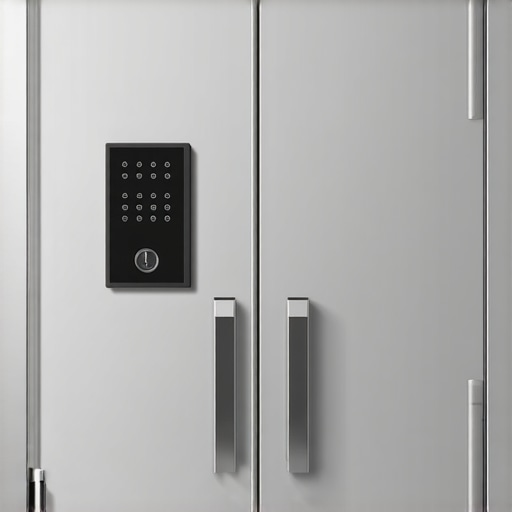
My Unexpected Encounter with Deadbolt Dilemmas
Last year, I found myself locked out of a commercial property just as I was about to close shop. It was a chilly evening, and I realized how crucial reliable lock systems are for business security. That experience sparked my curiosity about the best deadbolt and lockout solutions, especially for commercial settings where security can’t be compromised.
Why Deadbolts Are the Unsung Heroes of Business Security
From my experience, deadbolts provide an added layer of security that standard locks simply can’t match. They are robust, durable, and resistant to forced entry. I learned that choosing the right deadbolt isn’t just about strength but also about compatibility with existing door frames and locks. For businesses, investing in high-quality deadbolt systems can prevent unauthorized access and protect valuable assets.
Personal Tips for Lockout Emergencies
During a recent auto lockout, I discovered that having a trusted locksmith on speed dial makes all the difference. I recommend keeping a list of reliable locksmith services, like professional locksmiths who specialize in commercial lockouts. A quick call can save time and prevent potential security breaches.
How Do I Ensure My Commercial Locks Are Up to Date?
In my research, I came across the importance of modern lock systems that incorporate the latest security features. For example, electronic deadbolts and smart locks offer enhanced control and monitoring. I found a helpful resource on advanced lock systems that could be game-changers for small and large businesses alike.
What Are the Most Common Lockout Solutions That Actually Work?
Over the years, I’ve seen that professional lockout solutions, like quick deadbolt replacements and lock rekeying, are highly effective. Ensuring your locks are properly maintained and periodically upgraded is key. For detailed guidance, I recommend visiting reliable commercial lock systems.
If you’ve had similar experiences or tips, I’d love to hear your stories in the comments below. Sharing knowledge helps us all stay secure and prepared.
Innovative Lockout Solutions: Are Traditional Methods Still Enough?
In the fast-evolving landscape of commercial security, relying solely on traditional lockout solutions might leave gaps that savvy intruders can exploit. Modern lockout techniques incorporate electronic access controls, smart locks, and biometric authentication. These advancements not only streamline access management but also provide real-time monitoring, making it easier for businesses to respond promptly to security breaches. For those looking to upgrade, exploring professional lockout solutions can be a game-changer, ensuring your business stays one step ahead.
Are Deadbolts Compatible with the Latest Security Technologies?
Integrating traditional deadbolts with modern security systems is more feasible than ever. Electronic deadbolts and smart locks can be seamlessly paired with existing mechanical deadbolt setups, providing dual layers of protection. This hybrid approach allows for keyless entry, remote access, and audit trails, significantly enhancing security and convenience. To ensure compatibility and optimal installation, consulting experts or exploring resources like advanced lock systems is advisable. These integrations can be tailored to specific business needs, whether it’s a retail store, office building, or industrial facility.
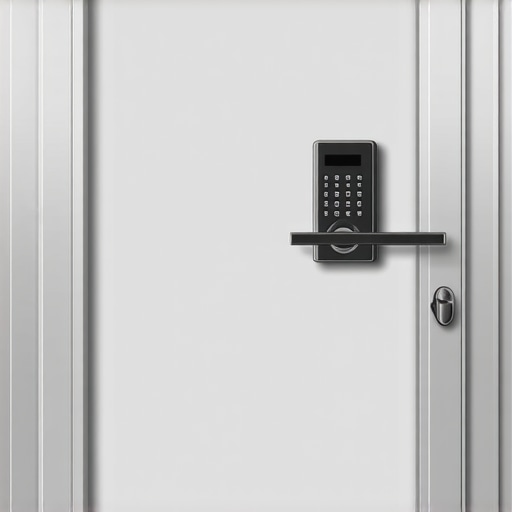
Implementing visual aids can greatly enhance understanding. For example, a detailed infographic showcasing the integration process of smart locks with traditional deadbolts can clarify complex concepts. An illustrative image of a modern commercial door equipped with both mechanical and electronic lock systems can inspire confidence in upgrading security infrastructure.
What Are the Hidden Risks of Overlooking Deadbolt Maintenance?
Many business owners underestimate the importance of regular deadbolt maintenance, which can lead to vulnerabilities. Dirt, rust, and misalignment can compromise the lock’s integrity, making it easier for intruders to gain access or for the lock to fail during emergencies. Routine inspections, lubrication, and timely upgrades are essential to keep deadbolts functioning optimally. For detailed maintenance tips, visiting reliable commercial lock systems provides practical guidance that can extend the lifespan of your security investments.
How Can I Future-Proof My Business Security Against Emerging Threats?
Staying ahead of potential threats requires a proactive approach to security planning. This involves not only upgrading hardware but also adopting comprehensive security policies, employee training, and regular audits. Implementing layered security strategies—combining physical barriers like deadbolts with digital safeguards—can significantly reduce vulnerabilities. As cyber-physical threats evolve, consider integrating IoT-enabled lock systems that offer remote management and real-time alerts, helping you respond swiftly to any suspicious activity. For a deeper dive into future-proofing your assets, consult expert resources and stay updated with industry best practices.
If you’ve experimented with innovative security measures or have questions about optimizing your commercial lock systems, please share your insights or ask for advice in the comments. Sharing real-world experiences can help other business owners fortify their security and prevent costly breaches.
What Are the Hidden Nuances in Deadbolt Security That Only Experience Reveals?
In my journey of mastering commercial security, I’ve come to realize that deadbolts are much more than simple locking mechanisms. The subtle differences in cylinder quality, the precision of installation, and even the choice of strike plates can dramatically influence their effectiveness. For instance, a high-security deadbolt with a reinforced strike plate can withstand a significant amount of brute force, but only if installed correctly. I remember a case where a seemingly sturdy deadbolt failed during a forced entry because the strike plate was flimsy and poorly anchored. This underscored for me that understanding these nuances is crucial for any business owner serious about security.
The Complexity of Integrating Deadbolts with Modern Security Systems
Personally, I’ve had to navigate the challenges of combining traditional deadbolts with electronic access controls. It’s not just about pairing hardware; it’s about creating a seamless security ecosystem. For example, integrating smart locks with mechanical deadbolts allows for features like remote locking and real-time activity logs. However, compatibility issues can arise if the systems are not designed to work together. I recommend consulting with experts or leveraging resources like advanced lock systems to ensure smooth integration and avoid costly missteps. This hybrid approach offers the best of both worlds—physical robustness and digital flexibility.
How Do I Personally Assess the Effectiveness of My Lock System Over Time?
One insight I’ve gained from years of experience is that regular, proactive maintenance is essential. It’s tempting to think that once a deadbolt is installed, it will last indefinitely. But dirt, rust, and misalignment can subtly weaken the lock’s integrity. I’ve adopted a habit of monthly inspections, applying lubrication, and checking for signs of wear. When I noticed a slight sticking in one lock, I promptly replaced the cylinder, preventing potential vulnerabilities. For business owners, I suggest keeping a maintenance schedule and consulting resources like reliable commercial lock systems to extend the lifespan of your security investments.
Can Future-Ready Deadbolt Technologies Truly Future-Proof Our Security?
From my perspective, the answer is increasingly yes. Emerging technologies like biometric authentication, IoT-enabled locks, and AI-driven security analytics are transforming the landscape. The key is understanding that no single system offers complete security against sophisticated threats, but layered, integrated solutions do. For example, upgrading to a biometric deadbolt combined with real-time monitoring can significantly enhance security posture. I’ve explored options like smart lock integrations that allow remote management and instant alerts, giving me peace of mind even when I’m away from my business.
Sharing your experiences with these advanced systems or asking questions can be incredibly valuable. Have you tried integrating biometric or IoT locks into your business security? I invite you to comment below and share your insights, as collective knowledge is our best defense against evolving threats.
How Do I Balance Traditional Reliability with Modern Innovation in Deadbolt Security?
Finding the right balance is both an art and a science. In my personal approach, I prefer maintaining a robust mechanical deadbolt as the primary lock, supplemented by electronic or smart access controls for convenience and monitoring. This dual-layer approach ensures that if one system fails, the other still provides a barrier. For example, during a recent power outage, my mechanical deadbolt remained operational, ensuring security. Meanwhile, I was able to access the digital system remotely once power was restored. For those considering such integrations, I recommend exploring professional locksmith tips to ensure compatibility and prevent security gaps.
Would you like to learn more about how to implement these layered security strategies? Feel free to reach out or share your own experiences in the comments. Ensuring your business’s safety is an ongoing journey—one that evolves with technology and experience.
Beyond the Basics: Dissecting the Nuances of Deadbolt Security for Sophisticated Business Defense
Over years of hands-on experience and meticulous research, I’ve come to appreciate that not all deadbolts are created equal—especially when it comes to safeguarding high-value commercial assets. The subtle differences in cylinder construction, strike plate reinforcement, and installation precision can spell the difference between impenetrable security and a vulnerable vulnerability. For instance, high-security deadbolts featuring anti-drill plates and reinforced cylinders significantly elevate your defenses, but only if correctly installed with heavy-duty strike plates anchored into solid framing. A misaligned or flimsy strike plate, regardless of deadbolt quality, can compromise your entire security framework. Understanding these nuanced elements underscores the importance of expert consultation, as discussed in professional lock installation tips.
Integrating Traditional Deadbolts with Cutting-Edge Security Technologies: Challenges and Solutions
Personally, I’ve faced the intricate challenge of merging time-tested mechanical deadbolts with the latest electronic and biometric access systems. The primary hurdle lies in compatibility—ensuring that smart locks, biometric scanners, and electronic deadbolts operate seamlessly with existing mechanical setups. This process often involves selecting compatible hardware, configuring synchronization protocols, and addressing power backup considerations. For example, integrating biometric deadbolts into a high-traffic retail environment requires meticulous planning to prevent downtime and security lapses. My recommendation is to leverage resources like advanced lock system guides and work with specialists who can tailor hybrid solutions to your specific needs.
How Can I Assess the Long-Term Effectiveness of My Deadbolt System Under Varying Conditions?
Assessing the durability and reliability of your deadbolt over time involves more than periodic inspections; it requires a strategic, data-driven approach. Regularly monitor for signs of wear, rust, or misalignment, especially in challenging environments such as coastal areas prone to corrosion. Implementing a maintenance schedule—monthly lubrication, tightening, and component checks—can preempt failures. Additionally, I have found that documenting performance metrics, such as lock cycle counts and failure incidents, provides valuable insights for proactive upgrades. Consulting authoritative sources like comprehensive security guides can help refine your maintenance strategies and ensure your security investments continue to serve effectively.
Future-Proofing Your Commercial Security: Embracing Next-Generation Deadbolt Technologies
The rapid evolution of security technology offers promising avenues for future-proofing your business. Biometric authentication, AI-powered activity recognition, and IoT-enabled locks are transforming traditional security landscapes, enabling real-time monitoring and instant response capabilities. From my perspective, integrating these innovations involves strategic planning and a layered approach—combining physical robustness with digital intelligence. For example, deploying a biometric deadbolt with remote management capabilities allows for dynamic access control and audit trails, significantly reducing insider threats and unauthorized entry risks. Staying informed through authoritative insights, such as those found in smart lock innovations, is essential for making informed decisions about upgrading your security infrastructure.
Engage and Elevate: Share Your Experiences with Advanced Deadbolt Security
If you’ve explored integrating biometric or IoT-enabled deadbolts into your business environment, I invite you to share your journey. Your insights can illuminate practical challenges and innovative solutions, helping others navigate the complexities of modern security. Remember, the landscape is continually changing—what works today might need adaptation tomorrow. Let’s keep the conversation active and collaborative, leveraging collective expertise to stay ahead of evolving threats. For tailored advice or to discuss your specific needs, feel free to reach out or comment below. Your proactive approach is key to maintaining resilient, future-ready security systems.
Things I Wish I Knew Earlier (or You Might Find Surprising)
The Subtle Power of Strike Plates
Early in my security journey, I underestimated the importance of reinforced strike plates. I thought a sturdy deadbolt alone was enough, but a weak strike plate can be a weak link. I had a close call once when a forced entry attempt failed because the strike plate, though decent, wasn’t anchored into solid framing. This experience taught me that the small details, like proper installation and reinforcement, make all the difference.
The Hidden Risks of Overlooking Regular Maintenance
Regular deadbolt maintenance might seem trivial, but neglect can lead to vulnerabilities. I used to assume that once installed, locks would stay perfect forever. However, rust, dirt, and misalignment slowly degrade their effectiveness. A simple monthly check and lubrication saved me from potential lockouts and security breaches, reinforcing the importance of routine upkeep.
Why Integration Can Be a Double-Edged Sword
Integrating traditional deadbolts with electronic systems is tempting, but it’s not always straightforward. I faced compatibility challenges that initially caused headaches. Consulting expert resources like advanced lock system guides helped me navigate these hurdles. A well-planned hybrid system enhances security without creating new vulnerabilities.
Overcoming Power Outages and System Failures
Power outages can render electronic locks useless, which is why I always keep my mechanical deadbolt as a reliable backup. During storms or outages, I’ve been grateful for this redundancy. Balancing modern tech with traditional reliability remains a lesson I’ve learned through experience.
Understanding the Nuances of Cylinder and Lock Quality
Not all deadbolts are created equal. I discovered that high-security cylinders with anti-drill features and quality strike plates significantly improve protection. Proper installation by professionals is critical to ensure these features are effective. This nuanced understanding has saved me from underestimating the importance of quality hardware and expert advice.
The Challenge of Hybrid Security Systems
Combining mechanical deadbolts with smart locks offers great benefits but also requires careful planning. I’ve had to ensure compatibility and proper power backups. Resources like trusted locksmith advice proved invaluable in creating a seamless security ecosystem.
Resources I’ve Come to Trust Over Time
- Pro Locksmith Co. — Their comprehensive guides on deadbolt installation and maintenance have been my go-to source for practical advice.
- National Locksmith Association — A trusted industry authority providing up-to-date standards and best practices.
- Security Magazine — Offers insights into emerging technologies and trends that keep me informed about future-proof options.
- Home Security Tips Blog — Their detailed articles helped me understand the nuances of lock quality and installation.
Parting Thoughts from My Perspective
Reflecting on my experience with deadbolt security, I realize that the key is a balanced approach—combining traditional durability with modern innovation. Paying attention to details like strike plates, regular maintenance, and expert installation can dramatically enhance your security. Exploring integrated systems, like smart locks paired with mechanical deadbolts, offers flexibility and resilience. If this resonates with you, I’d love to hear your own stories or questions. Sharing our experiences helps us all stay a step ahead in safeguarding our assets and peace of mind.
Comments are closed.