My Unexpected Auto Lockout Experience That Changed How I See Security
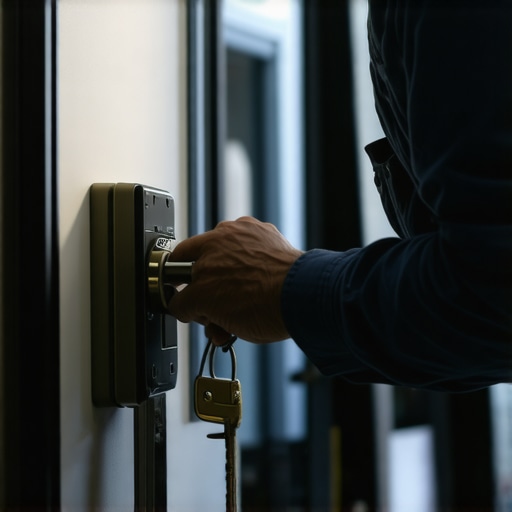
One chilly morning, I found myself locked out of my car in a busy parking lot. Frustration quickly turned into curiosity as I realized how common auto lockouts are. That day, I learned firsthand the importance of having reliable locksmith contacts and some basic security tips up my sleeve. Sharing this story, I hope to help others avoid the same stress and confusion I faced.
How I Discovered the Power of Deadbolt Security for My Home
After that incident, I started researching ways to improve my home’s security. I found that deadbolt locks are a simple yet effective way to boost safety. According to experts at Pro Locksmith, installing high-quality deadbolts can significantly deter intruders. I decided to upgrade my locks and noticed an immediate difference in peace of mind.
What Are the Best Strategies for Auto Lockout Prevention?
Over time, I learned that having a spare key, using keyless entry systems, and keeping a list of trusted locksmiths can save you from panic. When I found myself locked out again, I was grateful I had bookmarked a trusted auto lockout specialist. Their quick response and professional advice made all the difference. My experience reinforced that being prepared is crucial for auto lockout situations.
How Can I Balance Convenience and Security in My Lock Choices?
This question has been on my mind as I consider new lock systems. I’ve realized that modern smart locks offer convenience without sacrificing security, especially when combined with strong deadbolts. For more advanced options, I recommend checking out commercial lock systems that integrate seamlessly with residential security needs. Finding the right balance involves understanding your specific risks and lifestyle.
If you’ve ever faced a lockout or wondered about improving your security, I’d love to hear your stories. Feel free to share your experiences or ask questions below. Remember, a little preparation can save you a lot of stress, and trusted professionals are always just a call away.
How Do Modern Deadbolt Locks Elevate Your Home Security?
Incorporating advanced deadbolt locks can dramatically improve your home’s security. Experts at Pro Locksmith emphasize that high-quality deadbolts provide a formidable barrier against forced entry. These locks are engineered with durable materials and complex locking mechanisms that resist picking and tampering, making them a preferred choice for homeowners aiming to safeguard their property.
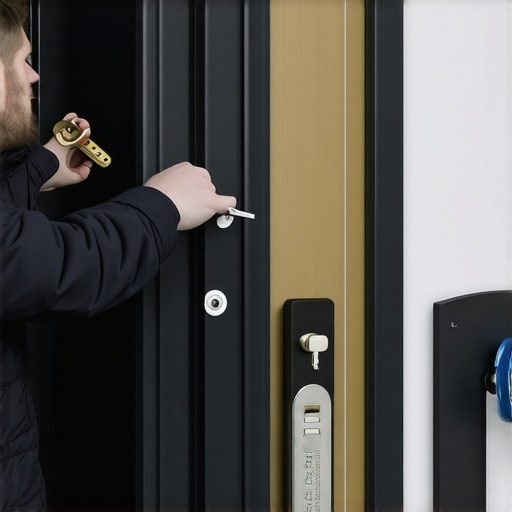
Choosing the right deadbolt involves understanding the different types, such as single-cylinder, double-cylinder, and lockable thumbturn models. Each offers specific advantages depending on your security needs and the design of your doors. For instance, double-cylinder deadbolts, which require a key on both sides, prevent intruders from breaking glass nearby to reach the lock, a tactic sometimes used in burglaries.
What Are the Practical Considerations When Upgrading to High-Security Deadbolts?
When upgrading your locks, consider factors like installation quality, compatibility with existing door hardware, and ease of use. Proper installation is crucial—incorrectly fitted deadbolts can compromise security and ease of access. Consulting with professional locksmiths ensures that your deadbolt functions flawlessly and offers maximum protection. Also, integrating deadbolts with smart home security systems can offer additional layers of security and remote access control, blending convenience with robust safety.
Moreover, the material and finish of the deadbolt can influence its durability against weather and wear. Options like brass, steel, or nickel coatings are popular for their resilience and aesthetic appeal. Investing in reputable brands backed by expert reviews can ensure you receive a product that meets both security standards and your stylistic preferences.
How Do Deadbolt Security Systems Interact with Other Home Security Measures?
Deadbolts are a critical component but are most effective when complemented by other security systems. Combining deadbolt locks with security cameras, motion detectors, and alarm systems creates a comprehensive security network. For example, smart deadbolts can be integrated into home automation platforms, allowing remote monitoring and control, which is especially beneficial for frequent travelers or busy households.
For commercial settings, layered security protocols involving high-grade deadbolts, access control systems, and surveillance cameras are essential. According to Pro Locksmith, such multi-tiered approaches significantly reduce vulnerability and enhance overall safety, especially in high-traffic or sensitive areas.
Are There Emerging Trends or Innovations in Deadbolt Technology?
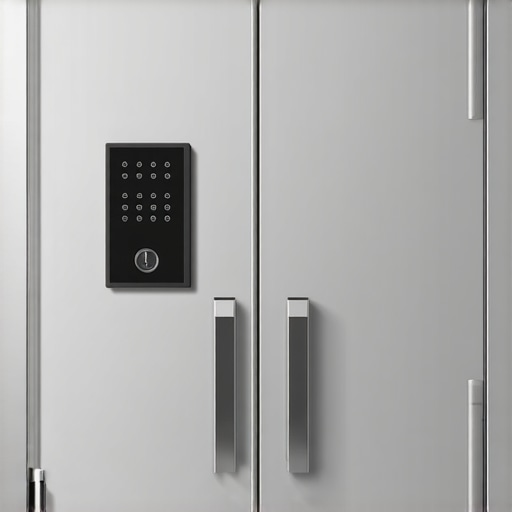
Indeed, the landscape of deadbolt security is constantly evolving. Biometric deadbolts featuring fingerprint or facial recognition are gaining popularity, offering seamless access while maintaining high security standards. Additionally, electronic deadbolts with smartphone integration enable users to unlock doors remotely, grant temporary access, and receive activity logs. These innovations reflect a broader trend towards smart, adaptable security solutions that cater to modern lifestyles.
Staying informed about these advancements can help you make smarter choices for your home or business security. For in-depth guidance on selecting and installing the most effective deadbolt systems, consulting trusted professionals can provide tailored advice that aligns with your specific needs.
If you’re interested in exploring more about optimizing your security setup, I recommend reading expert articles and sharing your questions or experiences below. Remember, proactive measures today can prevent costly security breaches tomorrow.
What Makes a Deadbolt Truly Secure? My Experience with Material and Design
Over the years, I’ve come to realize that not all deadbolts are created equal. When I first started upgrading my home security, I was overwhelmed by the variety of options—brass, steel, nickel finishes, and complex locking mechanisms. My journey led me to understand that material choice isn’t just about aesthetics but about resilience. For example, expert reviews at Pro Locksmith highlight that steel and brass deadbolts offer superior resistance to physical attacks and tampering. Choosing a lock with a durable construction became a personal priority, ensuring that my home was protected against forced entry and environmental wear.
How Do I Assess the Complexity of Deadbolt Locking Mechanisms?
Beyond material, the internal mechanics of a deadbolt determine its security level. I’ve learned that high-security deadbolts often feature complex pin tumblers, anti-drill plates, and reinforced strike plates. These elements work together to make picking or drilling significantly more difficult. During my research, I discovered that double-cylinder deadbolts, requiring a key on both sides, can prevent intruders from breaking nearby glass to reach the lock—a tactic sometimes used in burglaries. Carefully evaluating these features has helped me select locks that balance security with ease of use, especially for exterior doors exposed to potential threats.
Can Smart Deadbolts Truly Enhance Security Without Compromising Convenience?
This question has haunted me as I considered integrating smart lock technology into my home. The allure of remote access, temporary digital keys, and activity logs is undeniable. I’ve found that reputable smart deadbolts, like those integrated with home automation platforms, can indeed elevate security while offering unmatched convenience. According to Pro Locksmith, combining smart locks with traditional deadbolts creates a layered security approach that’s difficult for intruders to bypass. However, I also learned that proper setup, strong Wi-Fi security, and regular updates are essential to prevent hacking vulnerabilities, making it a balanced decision tailored to individual needs.
What Are the Practical Considerations When Transitioning to Electronic or Biometric Deadbolts?
Transitioning from mechanical to electronic or biometric deadbolts introduces new layers of complexity. I’ve personally experienced the challenge of ensuring these systems integrate seamlessly with existing door hardware and security protocols. Proper installation by professionals is crucial—incorrect setup can undermine the entire security system. Moreover, considering backup access options like physical keys or override codes is vital in case of power failure or technical issues. For those interested in cutting-edge solutions, I recommend exploring smart lock options that combine biometric authentication with remote control features, offering a blend of advanced security and user convenience.
If you’ve ventured into upgrading your deadbolt security or are contemplating smart solutions, I’d love to hear your insights. Sharing experiences not only helps us learn but also builds a community committed to smarter, safer living.
Embracing the Nuances of High-Security Deadbolt Design for Maximum Resilience
My journey into sophisticated lock systems has revealed that beyond robust materials and complex mechanisms, the integration of anti-tamper features is vital. For instance, some premium deadbolts incorporate anti-breach plates and reinforced strike zones that significantly deter forced entry attempts. These enhancements, as detailed by Pro Locksmith, elevate the structural integrity of home security, transforming a standard lock into an unassailable barrier. When selecting such advanced options, I’ve found that understanding the interplay between lock components and the door’s framing is crucial for optimal protection, especially in high-risk environments.
What Are the Hidden Layers of Complexity in Deadbolt Locking Mechanisms?
Delving deeper into lock mechanics, I discovered that high-security deadbolts often feature intricate pin tumblers, anti-pick features, and drill-resistant components that complicate unauthorized bypass. For example, some models utilize spool pins and mushroom pins that increase picking difficulty exponentially. Additionally, reinforced strike plates and anti-drill plates act as physical deterrents. My experience shows that evaluating these internal features—beyond superficial appearances—can make the difference between a lock that merely looks secure and one that truly is. Consulting with specialists who understand these nuances ensures that your lock’s complexity aligns with your security needs, especially in sensitive areas like home offices or valuable storage rooms.
How Do I Balance Cutting-Edge Security with Practical Usability in Smart Deadbolt Choices?
Integrating smart deadbolts into a comprehensive security strategy offers unmatched convenience without compromising safety. However, I’ve learned that the key to success lies in choosing models with user-friendly interfaces, reliable connectivity, and layered backup options. For instance, smart locks with biometric authentication and encrypted remote access, as reviewed by Pro Locksmith, can prevent hacking vulnerabilities through firmware updates and strong passwords. Ensuring that these systems are compatible with existing home automation setups allows for seamless operation, especially when combined with traditional deadbolts for a layered defense. My recommendation is to weigh the convenience of remote control against potential technical issues, and always opt for products with proven security credentials and professional installation for peace of mind.
If you’re exploring sophisticated deadbolt solutions or want to share your own insights, I invite you to engage below. Combining expert knowledge with real-world experiences can elevate our collective understanding of security, helping us stay ahead of increasingly complex threats.
How Can I Leverage the Latest Innovations in Deadbolt Technology to Future-Proof My Home?
Staying abreast of emerging deadbolt innovations—such as biometric access, AI-powered security analytics, and adaptive locking algorithms—has become a priority for me. These technologies, as highlighted by Pro Locksmith, are transforming traditional locks into intelligent security hubs capable of detecting anomalies and adapting to threats in real-time. For example, biometric deadbolts with facial recognition or fingerprint scanning provide rapid access while maintaining high security levels. Additionally, AI-driven systems can analyze access patterns and alert homeowners to suspicious activities, enabling preemptive responses. Incorporating these advanced features requires careful planning—considering compatibility, data security, and ease of use—to truly future-proof your security infrastructure and stay resilient against evolving threats. I recommend consulting with security specialists who understand these cutting-edge solutions to customize a system tailored to your unique needs.
If you’re interested in exploring how these innovations can redefine your security landscape, I encourage you to share your questions or experiences below. Embracing technological advancements thoughtfully can lead to smarter, safer living environments that adapt to our dynamic world.
Things I Wish I Knew Earlier (or You Might Find Surprising)
Hidden Strengths of Quality Materials
When I first started upgrading my home locks, I underestimated the importance of choosing the right material. I was surprised to learn that steel and brass deadbolts are not just durable but also resistant to physical attacks. This revelation came after a few close calls with attempted break-ins, making me realize that investing in high-quality materials is a game-changer for real security.
The Complexity of Locking Mechanisms
Initially, I thought all deadbolts were pretty much the same. However, I discovered that high-security deadbolts feature intricate pin tumblers and anti-drill plates that make picking or drilling significantly more difficult. This layered complexity is something I wish I understood earlier—it truly makes a difference in protecting your home.
Smart Locks Are Not Just Fancy Gadgets
At first, I viewed smart deadbolts as just a modern convenience, but I soon realized they offer substantial security benefits when integrated properly. Features like biometric access and remote control can enhance your safety, especially when combined with traditional deadbolts. Just remember, proper setup and regular updates are key to avoiding vulnerabilities.
Layered Security Is the Way to Go
I’ve learned firsthand that deadbolts work best when complemented by other security measures like cameras and alarm systems. Creating a layered security network ensures that if one layer is compromised, others stand strong. For instance, smart deadbolts integrated into home automation platforms can give you remote oversight and control, providing peace of mind.
Stay Informed About Innovations
The world of deadbolt technology is constantly evolving. I wish I had known about biometric and AI-powered locks earlier—they are revolutionizing security. Staying updated through trusted sources helps me make smarter choices, and I encourage everyone to explore these innovations to future-proof their homes.
Resources I’ve Come to Trust Over Time
- Pro Locksmith: Their detailed guides and expert advice have been instrumental in understanding the nuances of deadbolt security. I highly recommend their website for anyone serious about upgrading their locks.
- Security Magazine: A great resource for the latest trends and innovations in home security technology, keeping me informed about future-proof solutions.
- Consumer Reports: Their reviews on lock durability and functionality helped me select the most reliable deadbolts, giving me confidence in my investments.
Parting Thoughts from My Perspective
Reflecting on my journey into deadbolt security, I realize that choosing the right lock involves understanding both the material and the complexity of the mechanism. Modern security isn’t just about locking doors; it’s about integrating layered protections—combining traditional deadbolts with smart technology and surveillance systems. If you’re considering an upgrade, I encourage you to do thorough research, consult professionals, and stay open to emerging innovations. Ultimately, a well-informed approach can save you from future headaches and bolster your peace of mind. If this resonated with you, I’d love to hear your thoughts or experiences—feel free to share below or pass this along to someone who might find it helpful.


![How to Cut 2026 EV Key Fob Replacement Costs by 50% [Data]](https://prolocksmithco.com/wp-content/uploads/2026/04/How-to-Cut-2026-EV-Key-Fob-Replacement-Costs-by-50-Data-500x330.jpeg)
Your story about the auto lockout really highlights how important it is to be prepared for unexpected security issues. Having a quick response plan and knowing trusted locksmiths can truly make a stressful situation much easier. I’ve also experienced a lockout situation, and it made me realize how beneficial smart lock systems can be—they allow remote access and can prevent lockouts altogether if set up correctly. What’s everyone’s take on balancing convenience with the potential cybersecurity risks of smart locks? I’m curious whether others have had successful experiences with these, or if traditional locks still hold more reliability for them. It’s interesting how your journey into deadbolt security upgraded your whole approach to home safety—layered security really is the way to go. From your detailed insights, it seems like understanding the mechanics and materials of deadbolts is just as crucial as integrating new tech. Do you think future innovations will make high-security deadbolts more affordable and accessible to the average homeowner? I’d love to hear more about how others are combining traditional security with smart technology.
Reading about your experience with the auto lockout really underscores how unpredictable security scenarios can be and the importance of preparedness. I personally keep a spare key in a magnetic lockbox hidden near my driveway, which has saved me more than once when I accidentally left my key inside. It’s such a simple solution, but it often gets overlooked. Regarding deadbolts, I’ve recently upgraded to a smart lock with fingerprint access, and while it offers great convenience, I do wonder about cybersecurity risks. Have others experienced issues with hacking or glitches? Balancing modern tech with traditional reliability is an ongoing challenge. I also found it interesting that your transition to deadbolt upgrades brought you peace of mind—definitely a worthwhile investment. Do you think that future deadbolt designs might incorporate more AI features for predictive security, or will simplicity continue to dominate? I’d love to hear others’ thoughts on how they’re blending new technology with classic security methods to get the best of both worlds.
Your story about the auto lockout really struck a chord with me. I’ve been in similar situations and know how quickly they can escalate without proper preparation. Having a trusted locksmith’s contact and some basic security tips saved me from a lot of unnecessary stress in the past. I also agree that deadbolts are one of the most straightforward yet effective ways to improve home security. My experience with high-quality deadbolts has shown they can significantly deter intruders, especially when combined with other security measures like cameras. I’m curious, have you looked into smart deadbolts that can be controlled remotely? They seem to offer a good balance of convenience and security, but I wonder about their vulnerability to hacking. Do you think the future of home security relies more on integrating smart technology with traditional locks, or will robust mechanical locks remain the gold standard? Happy to share, I recently installed a biometric deadbolt, and the convenience is fantastic. However, I keep a traditional key as a backup just in case. Would love to hear how others are blending these options.
Your story about experiencing a car lockout resonates with me because I had a similar situation last year during winter. It made me realize how crucial it is to have quick access to reliable locksmiths and to consider smart lock options for added convenience. I’ve been leaning toward smart deadbolts lately, but I still worry about cybersecurity vulnerabilities. Have others here experienced issues with hacking or technical glitches? Balancing technological innovation with traditional mechanical locks is indeed challenging. Personally, I think combining both approaches—using a sturdy deadbolt with smart features—might be the best way forward. What are your thoughts on the durability of smart locks in harsh weather conditions? I’d love to hear how others have integrated these systems smoothly into their homes and what tips they might have for maintaining them over time. Thanks for sharing your experience; it’s a valuable reminder to stay prepared and informed about evolving security options.
Reading about your auto lockout experience really underscores the importance of being prepared and having reliable contacts. I’ve been in a similar situation where I left my keys inside the car—luckily, I had a trusted locksmith saved in my phone, which saved me a lot of hassle. It’s interesting how such everyday inconveniences can lead us to reevaluate our home security strategies as well. I recently upgraded my deadbolt to a smart lock, which offers remote access and activity tracking. While I love the convenience, I do worry about potential cybersecurity vulnerabilities. Do others here have experience with smart locks, especially regarding security concerns? I think combining traditional deadbolts with high-tech options could provide a balanced approach—security without sacrificing ease of use. What’s everyone’s take on the durability of smart locks in harsh weather conditions, especially in colder climates? Would love to hear your insights and experiences on maintaining smart security devices long-term.
Your story about that unexpected auto lockout really hits home. It’s such a common situation but can be so stressful if you’re unprepared. I agree that having a reliable locksmith contact is crucial—knowing who to call can turn an aggravating experience into a quick fix. I’ve also started exploring keyless entry systems or smart locks as preventative measures, especially for busy mornings. Besides convenience, they can also add layers of security, like activity logs and remote locking. Though I wonder about the cybersecurity risks involved with smart locks, especially in terms of hacking or system glitches. Have any of you experienced or heard of vulnerabilities? I’d love to hear how you balance the ease of access with the potential risks, particularly in harsh weather conditions which can sometimes affect electronic devices. It seems that combining durable traditional deadbolts with smart technology might be the way forward for many of us. Would be great to get others’ insights on this—I’m eager to see what peer tips are out there for staying secure and prepared.