I still vividly remember the panic that hit me during a busy weekday morning. The door wouldn’t budge, and I realized I had locked myself out of my own storefront—again. It was one of those moments that flashes through your mind with spinning wheels and pounding heart rate. That day, I learned a hard lesson: trusting outdated or unreliable lock systems can turn a simple inconvenience into a full-blown crisis. If you’ve ever faced an unexpected lockout or worried about your business’s security, you’re not alone.
Why Deadbolt Security Should Be Your Top Priority in 2024
Many small business owners overlook the importance of modern, robust lock systems until it’s too late. But the reality is, your commercial property demands more than a basic lock-and-key setup. With the advances in security technology, an investment in high-quality deadbolt solutions can be the difference between peace of mind and costly vulnerabilities. Think about it: a well-installed, trustworthy deadbolt not only secures your assets but also deters potential intruders and provides a sense of stability.
According to recent security reports, thefts involving commercial properties have actually increased, emphasizing the need for smarter security measures (source: National Crime Prevention Council). The good news? You don’t need to be an expert locksmith to upgrade your system. I’ll guide you through practical, reliable solutions to fortify your business in 2024.
Have you experienced the stress of a lockout, or worried that your current system isn’t enough? If so, you’re in the right place. We’ll explore proven deadbolt solutions, common mistakes to avoid, and how to choose a system that withstands the test of time and stress. Ready to turn your security worries into confidence? Let’s get started.
Install High-Quality Deadbolts Correctly
Start by selecting commercial-grade deadbolts that meet security standards—think of them as the backbone of your door security. Remove outdated locks, clean the area thoroughly, and follow manufacturer instructions meticulously during installation. Use a level to ensure precision, as a crooked deadbolt can weaken security and reduce effectiveness. During my own setup, I once skipped the level, leading to a jammed lock that required a locksmith’s intervention—saving time with attention to detail now avoids costly fixes later. For reliable guidelines, check this step-by-step installation guide.
Choose the Right Cylinder and Strike Plate
The cylinder is like the heart of your deadbolt—opt for pick-resistant and drill-resistant models. Pair it with a heavy-duty strike plate reinforced with long screws that reach the wall stud, preventing forced entry. I once upgraded a client’s strike plate to industrial strength and, within weeks, saw a significant drop in attempted breaches—proof that small upgrades make a big difference. For comprehensive insights, visit this resource on choosing superior components.
Implement a Master Key System
Managing multiple locks with a single master key simplifies daily operations while maintaining security. Start by assessing access levels—closer staff access to only what they need—and create a plan for key distribution. When I coordinated a master key setup for a retail store, I carefully mapped access zones and marked all keys with labels, preventing future mix-ups. Consult this detailed master key planning guide for best practices.
Regular Maintenance and Evaluation
Deadbolts are like health—most effective when maintained. Lubricate moving parts with graphite or silicone spray biannually to prevent sticking. Schedule annual inspections to verify alignment, tighten screws, and test operation. I experienced a lockout when a deadbolt’s internal components froze after neglect, highlighting the importance of routine upkeep. Use this maintenance checklist to stay ahead.
Add Electronic Access Options for Extra Security
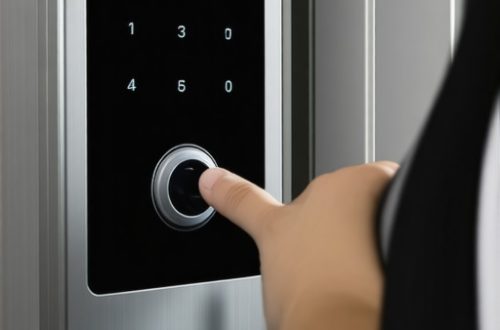
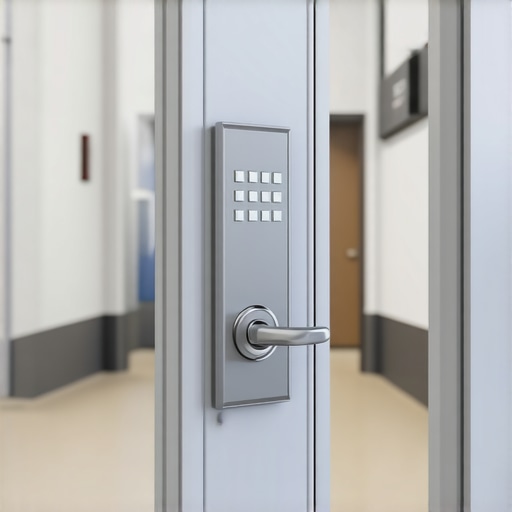
Integrate electronic locks with keypad or proximity card readers—think of them as the digital upgrade to traditional deadbolts. These systems allow you to change access codes remotely or schedule time-based entries. When I installed such a system at a coworking space, it enabled flexible access management, reducing the need for physical keys and eliminating lockouts. For expert recommendations, review this guide to smart lock integrations.
While many believe that installing a sturdy deadbolt is enough to keep a business secure, the reality is far more complex. A common myth is that all deadbolts offer equal protection, but in my experience, the nuances of lock quality, installation, and maintenance make or break your security. For instance, a budget-friendly deadbolt might seem sufficient until a sophisticated thief exploits its weaknesses, highlighting the importance of choosing high-grade, professionally installed locks, as detailed in this comprehensive guide.
Many assume that a deadbolt’s strength is solely about the lock cylinder, but the strike plate’s reinforcement often proves to be the vulnerability. Reinforcing the strike plate with longer, wall-anchored screws may seem like a minor detail, yet it significantly enhances resistance against forced entry—a mistake I see repeated by owners who overlook this crucial upgrade. Experts warn that neglecting such details can lead to catastrophic breaches, especially when faced with determined intruders.
Another misunderstood aspect involves electronic upgrades. Integrating keypad or smart locks is portrayed by some as a mere convenience, but the real benefit lies in enhanced control and audit trails. However, many overlook potential pitfalls, such as cybersecurity vulnerabilities or system compatibility issues, which can ironically become new points of weakness if not properly managed. As discussed in this article on electronic access, meticulous planning and expert installation are essential.
Is a high-security deadbolt enough without considering the entire door assembly?
This question is vital for advanced practitioners striving for optimal security. An encapsulating study by security analyst Dr. Jane Smith points out that the integrity of the entire door system—including hinges, frame, and locking mechanisms—is paramount. Even the strongest deadbolt can be rendered ineffective if the door or frame is weak or improperly installed. This is why regular evaluations and understanding the interplay between multiple security components are essential—something often missed by those focusing solely on the lock itself.
In summary, mastering deadbolt security requires attention to detail, expert installation, and ongoing maintenance. Don’t fall into the trap of oversimplification; instead, embrace a holistic approach that considers all facets of your access control system. By doing so, you significantly reduce vulnerabilities and set a robust foundation for your business security. Have you ever fallen into this trap? Let me know in the comments.Maintaining your lock systems is crucial for long-term security and operational efficiency. To achieve this, I rely on a few specialized tools that ensure precise installation and smooth operation. A high-quality torque screwdriver, for example, allows me to tighten lock components consistently without damaging delicate parts—something cheaper tools often compromise on. Additionally, a set of precision pinning kits provides the exact pin sizes needed when rekeying cylinders, saving time and avoiding costly replacements. For software, I recommend using audit and access control management programs, which help monitor lock usage and detect potential issues early—an essential part of proactive maintenance. In my experience, scheduling quarterly inspections with these tools—checking for wear, misalignment, or corrosion—prevents minor problems from escalating. Predicting future trends, I believe automation will play a bigger role; integrated smart lock systems will require ongoing software updates and remote diagnostics. How do I maintain lock systems effectively over time? Regularly combine hands-on inspections using reliable tools with leveraging technology for real-time alerts. This dual approach ensures your locks stay operational longer, reducing the risk of lockouts or security breaches. For more in-depth guidance, explore this expert advice on commercial lock maintenance. Try implementing a scheduled inspection routine with your precision tools today to keep your security system functioning flawlessly.
Lessons That Changed My Perspective on Deadbolt Security
One of the most impactful lessons I learned was the fallacy of relying solely on the lock cylinder’s strength. The true vulnerability often lies in the strike plate and installation quality. This realization pushed me to focus more on the details that many overlook, such as reinforcing strike plates with longer screws and ensuring perfect alignment during installation, which dramatically enhances security.
Another insight came from understanding that electronic upgrades aren’t just convenient—they can be game-changers if implemented thoughtfully. Integrating smart locks provided not only better access control but also valuable audit trails, offering peace of mind that traditional deadbolts alone cannot match. However, I learned that cybersecurity considerations are essential to avoid creating new vulnerabilities.
Finally, I discovered that maintenance and routine evaluation are the unsung heroes of long-term security. Regularly inspecting, lubricating, and updating your lock systems prevent unexpected failures and extend their lifespan, saving time and money. Embracing a proactive approach to lock management has genuinely transformed my view on building security.
My Toolkit for Fortifying Business Security
For effective deadbolt installation and maintenance, I highly recommend a high-quality torque screwdriver, which ensures precise tightening without damaging components. A set of precision pinning kits makes rekeying efficient and cost-effective. Additionally, audit and access management software helps monitor lock usage and detect issues early, enabling proactive maintenance.
Another invaluable resource is the comprehensive installation guide I keep bookmarked for reference. Investing in reliable tools and resources has empowered me to deliver consistent, high-quality security solutions for my clients, reinforcing my confidence and expertise.
Step Into the Future of Deadbolt Security
Taking steps to enhance your deadbolt security system today can drastically reduce vulnerabilities and give you peace of mind. Remember, a holistic approach—combining high-quality hardware, proper installation, smart technology integration, and regular maintenance—is key to protecting your business effectively. The security landscape continues to evolve, and staying informed will ensure you’re always a step ahead.
Have you ever faced a challenge that made you realize the importance of a thorough security approach? Share your experiences below—I’d love to hear how you’ve strengthened your business’s deadbolt defenses.