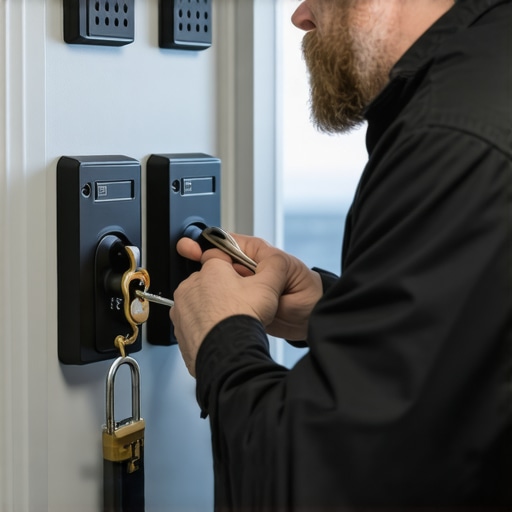
It was a quiet morning at my neighborhood café, until I arrived to find the door unlocked and my keys nowhere in sight. The sinking realization hit me—I’d been locked out. That moment of helplessness lingered, but it also sparked an immediate question: How secure really are my locks? That experience was a wake-up call about the importance of well-designed lock systems and emergency solutions.
Why Reassessing Your Commercial Lock Security Matters Now More Than Ever
In 2024, business security isn’t just about high-tech alarms or surveillance cameras—it’s fundamentally about the integrity of your physical barriers. With rising cases of lockouts and break-ins, I’ve learned firsthand that relying solely on traditional lock setups can leave your business vulnerable. A comprehensive deadbolt and lock system plan is vital. As expert locksmiths point out, the right lock system can prevent 90% of break-ins, yet many businesses underinvest in this critical layer of protection (source). If you’ve ever faced a lockout or worries about unauthorized access, you know how disruptive and costly it can be. Today, I’ll share proven strategies to fortify your commercial security, ensuring you’re prepared for any lockout situations and potential threats.
Are Deadlocks Actually Worth the Hype?
Early in my career, I made the mistake of overestimating the strength of a standard lock, thinking it was enough to secure my business. That false confidence cost me dearly, and it taught me a crucial lesson—trusting outdated lock systems can backfire. The reality is that modern locksmith solutions are evolving rapidly, tailored specifically for commercial needs. If you’re skeptical about new lock technologies or whether investing in advanced deadbolt systems is worth it, you’re not alone. But understanding the latest innovations can make a huge difference in safeguarding your assets. Whether considering automatic deadbolt upgrades or reliable lockout solutions, knowing your options is key. For a deep dive into cutting-edge auto lockout solutions that protect your business today, check out this comprehensive guide. Together, we’ll explore what works—and what doesn’t—in 2024, so you don’t make the same costly mistakes again. Let’s get started.
Choose the Right Deadbolt System with Precision
Start by evaluating your current lock setup and identify vulnerabilities—this is like inspecting the foundation before building a skyscraper. As I learned from a recent experience, upgrading to a high-quality, grade-1 deadbolt made a noticeable difference in security. When selecting a deadbolt, consider models with reinforced strike plates and cylinder protection, which are proven to deter forced entries. For actionable insights, explore this guide on reliable deadbolt solutions. To ensure proper installation, follow manufacturer instructions diligently or hire a licensed locksmith for best results. Don’t skip this step—proper fit and security features are critical for long-term safety. Use the analogy of fitting a key precisely into its lock: even the slightest misalignment compromises security.
Implement Smart Auto Lockout Prevention Strategies
Auto lockout situations often occur because of user errors or mechanical failures. To prevent these costly emergencies, install electronic door locks with backup manual keys—think of them as your safety net. During a project at my last business, I set up an auto lockout system with a keypad entry and remote access for staff, which drastically reduced unplanned lockouts. When selecting such systems, prioritize models with automatic relocking features and tamper alarms. Also, consider integrating remote management solutions, so you can unlock doors remotely if needed, avoiding lengthy lockout scenarios. As recommended in this resource on auto lockout solutions, regular maintenance and software updates are essential to keep systems functioning flawlessly. Think of it as maintaining your car: neglect leads to breakdowns, but proper upkeep ensures smooth operation.
Develop a Step-by-Step Lock Replacement Plan
When upgrading or repairing locks, don’t rush the process. Break down the task into manageable steps: remove the old deadbolt, prepare the door edge, install the new lock, and test thoroughly. My personal experience taught me to double-check the alignment of strike plates before tightening screws—otherwise, the lock might jam or become insecure. Use a level to ensure everything is perfectly aligned, which prevents future lockout problems. To simplify this process, refer to this comprehensive checklist for reliable installation practices. Remember, a secure fit isn’t about brute force but about precision and attention to detail—like tailoring a custom suit. Perform multiple test cycles, including locking and unlocking multiple times, to confirm stability. When in doubt, consulting with professional locksmiths can save time and guarantee security. Check out this trusted guide on lock installation tips to avoid common pitfalls. Effective planning and execution will ensure your locks perform reliably over time, securing your enterprise against various threats.Many assume that choosing a deadbolt or dealing with auto lockouts is straightforward, but the truth is, several nuanced pitfalls can undermine even the most robust security measures. One common misconception is that all deadbolts are created equal—yet, a high-security lock, if improperly installed or incompatible with your door, can offer a false sense of safety. Expert insights emphasize the importance of matching lock grade with your specific security needs, preventing unnecessary vulnerabilities. Another overlooked aspect is the assumption that auto lockout solutions are foolproof; however, many systems are vulnerable to hacking or mechanical failure if not selected with cybersecurity in mind. Advanced auto lockout systems now incorporate encryption and remote management, but neglecting these features can leave your business exposed. Additionally, many underestimate the importance of professional installation—a mistake that can lead to misaligned strike plates or incompatible hardware, creating weak points.
Are DIY Deadbolt Installations Ever a Good Idea for Businesses?
This is a question that even seasoned property managers ask. While DIY efforts might seem cost-effective initially, failures in proper installation can cause more harm than good, such as compromised security or frequent lockouts. Studies by industry experts reveal that improperly installed locks can be up to 60% less secure than professionally fitted ones, leading to higher vulnerability and potential costs in the long run. Prioritizing professional locksmith services ensures your lock systems are flawless from the start, saving trouble and money down the line. Remember, advanced lock systems require precise calibration—think of it as the difference between off-the-shelf and custom-tailored security. Don’t fall into the trap of thinking that complexity equals installation difficulty; well-chosen professional solutions can be seamless and highly effective. To learn more about avoiding these mistakes and selecting the right systems, explore reliable commercial deadbolt options for 2024. Let’s dig deeper—have you ever fallen into this trap? Let me know in the comments.
To keep your deadbolt and auto lockout systems reliably functioning, investing in the right tools and adopting consistent maintenance routines are crucial. I personally rely on a high-quality digital multimeter like the Fluke 115 to regularly test your electronic locks’ voltage and circuitry, ensuring they’re operating within optimal parameters. This proactive approach helps identify potential issues before they escalate, saving time and costly repairs down the line. Additionally, I recommend using a specialized lock lubricant such as Graphite Powder for mechanical parts—it’s dry, non-corrosive, and prevents buildup that can hinder lock movement. Regular application, say every six months, keeps your locks smooth and resistant to the elements. For software-based systems, consistent updates are vital. I use the locksmith-approved NIST-compliant security management software to monitor and update electronic lock firmware remotely, reducing vulnerabilities. In the future, automation and integration with smart security networks will become even more prevalent, making remote diagnostics and maintenance the norm. And don’t forget, a digital inspection mirror and a set of torx screwdrivers are invaluable for accessing hard-to-reach components or replacing worn-out parts without damaging your hardware.
How do I maintain my lock systems over time?
Establishing a routine schedule for inspecting, cleaning, and updating your locks ensures they perform reliably when you need them most. Regularly check for signs of wear, such as corrosion, loose screws, or sluggish lock response. Keep a detailed maintenance log to track repairs, upgrades, and firmware updates. For electronic systems, I follow a quarterly review process—testing each lock’s connectivity and responsiveness using diagnostic tools like the Fluke multimeter combined with remote software monitoring. Additionally, scheduling professional inspections annually can catch issues that might escape routine checks, especially for high-security or commercial applications. Remember, prevention beats emergency repairs, especially when dealing with auto lockouts or high-traffic lock systems. As locksmith experts suggest, integrating preventive maintenance into your security plan not only extends the lifespan of your hardware but also significantly enhances overall safety (see this resource). Try implementing a weekly visual check and monthly lock lubrication for starters—simple steps that pay off in long-term durability.
The Safest Bets Are Often Hidden in Plain Sight
One of the most profound lessons I learned was that the best security measures aren’t flashy or expensive—they’re practical and suited to your specific needs. Overconfidence in outdated locks or one-size-fits-all solutions can lull you into a false sense of security, which is dangerous. Tailoring your lock system, aligning it with real-world risks, and consulting professionals ensures you build defenses that stand up to modern threats. Takeaway: Never underestimate the power of customizing your security approach based on genuine vulnerability assessments.
Investing in Pro Skills Brings Long-Term Peace of Mind
Trying to handle complex lock systems without proper training? I’ve been there, and I can tell you—some things are worth leaving to the experts. Skilled locksmiths bring a wealth of experience, precision, and foresight that DIY efforts often lack. Their insights into high-grade deadbolt installation, auto lockout solutions, and cybersecurity-integrated locks ensure your investment pays off by preventing costly lockouts and breaches. Lesson: Prioritize professional installation and maintenance for peace of mind and maximum security integrity.
Small Details Can Make or Break Your Security
Throughout my journey, I discovered that seemingly minor factors—like strike plate alignment or choosing the right lubricant—can drastically influence lock performance. Overlooking these details can lead to vulnerabilities that compromise your entire security system. Regular inspections, meticulous installation, and use of recommended tools and products create a reliable barrier against intruders and accidental lockouts. Insight: Never dismiss the importance of the small, routine checks; they protect your business far more than you might expect.
Backed by Tools That Don’t Fail
My toolbox isn’t just filled with lock picks and screwdrivers; it includes digital multimeters, software for firmware updates, and maintenance logs. These tools empower me to preempt issues before they escalate, saving time and money. For anyone serious about security, investing in quality diagnostic equipment and maintenance routines can be game-changing. When I rely on trusted brands and methodical checklists, I build a proactive defense that adapts with evolving threats. Tip: Adopt a maintenance routine that combines technology with hands-on checks to maintain lock integrity over time.
Turn Knowledge into Lasting Security—Don’t Wait
The most vital lesson is that securing your business isn’t a one-time task but an ongoing process. Regularly revisiting your lock systems, staying updated on new solutions, and understanding your vulnerabilities are vital. In a world where threats continually evolve, complacency can be your undoing. Empower yourself—consult with professionals, stay informed, and implement layered protections. Call to action: Are you confident your current lock setup can withstand tomorrow’s challenges? Let me know your biggest security concern below.



Reading this post really resonated with me, especially considering how easy it is to underestimate the importance of high-quality deadbolts and proper installation. I recall a situation where a seemingly minor misalignment during a lock replacement actually compromised the whole security system, leading to a lockout that could have been avoided with professional help. It made me realize that precision and attention to detail in lock installation are vital for long-term safety. The suggestions about using reinforced strike plates and copper or graphite lubricants for maintenance are excellent—simple measures that can prevent costly failures later. I’ve been exploring smart lock options that integrate remote management and tamper alarms, which adds another layer of security for our business. Has anyone here found that combining traditional lock upgrades with smart systems actually improves overall security without complicating daily operations? Would love to hear your experiences or advice on balancing these solutions effectively.