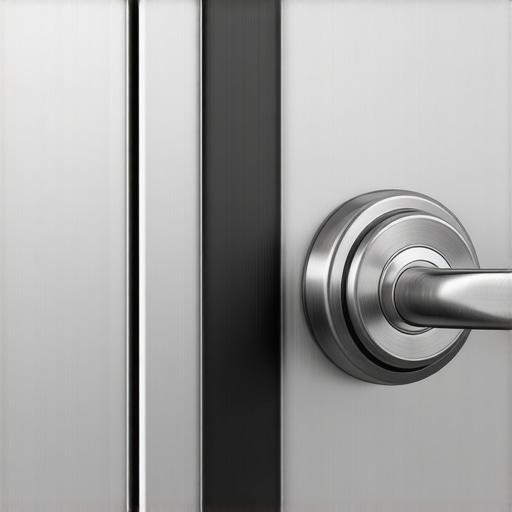
The Anatomy of Resistance: Beyond the Pot Metal Standard
Walk into any big-box hardware store and you will see rows of shiny, blister-packed locks that promise ‘maximum security.’ From where I sit behind my workbench, surrounded by the scent of tri-flow and brass shavings, those locks look like toys. I have spent 25 years watching how physics defeats marketing. Commercial security in 2024 and heading into 2026 is not about a brand name; it is about the metallurgical integrity of the bolt and the complexity of the cylinder’s shear line. When we talk about expert commercial deadbolt and lock security, we are discussing the difference between a lock that survives a 15-pound sledgehammer and one that shatters like glass because it was cast from cheap zinc alloys.
The Scam Victim: A Lesson in Destructive Entry
A lady came into my shop crying last Tuesday because a scammer drilled her commercial Grade 1 lock and charged her six hundred dollars for a replacement that was essentially a residential-grade paperweight. She had a simple sticking door lock mechanism—likely a slipped timing pin or a dry-rotted actuator—and the ‘technician’ she found online told her it was ‘unpickable.’ He didn’t even try a Lishi tool or a bypass shim; he went straight for the cobalt bit. This is the reality of the ‘trunk slammer’ era. They destroy your hardware because they lack the technical wisdom to manipulate the pins. A real locksmith understands that a lock is a mechanical puzzle, not a target for a power tool. If you are searching for how to choose a reliable locksmith near me, start by asking if they can rekey an IC core without drilling it. If they look at you sideways, hang up the phone.
“Security is always a trade-off between convenience and protection.” – Industry Axiom
The Physics of the Commercial Deadbolt: Grade 1 vs. The World
To understand commercial security, you have to zoom into the mechanism. A true ANSI Grade 1 deadbolt is a beast of burden. We are talking about a solid steel bolt throw that extends a full inch into the reinforced frame, often housing a hardened steel roller pin inside the bolt itself. Why? Because if a burglar tries to use a hacksaw, that roller pin spins with the blade, preventing the teeth from biting into the metal. The housing isn’t thin stamped steel; it’s heavy-duty brass or bronze. When you turn the key, you should feel the stack of master wafers and driver pins aligning with a crisp, tactile click. In the commercial realm, we often use Interchangeable Cores (IC). This allows a business owner to swap the entire locking cylinder in seconds without disassembling the drive tailpiece. It is the gold standard for key control, especially when employee turnover is a factor. We are moving toward sustainable eco-friendly locks for homes and businesses that use recycled high-density alloys without sacrificing the Rockwell hardness scale ratings required for high-traffic storefronts.
Smart Home Security Integration 2026: The New Frontier
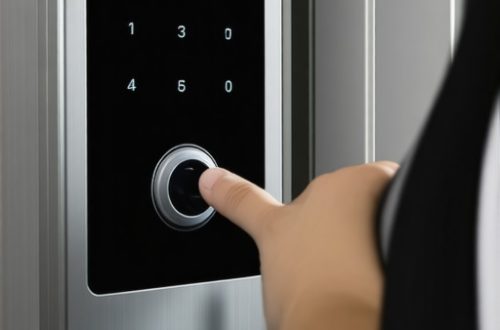
As we look toward 2026, the integration of smart locks compatible with Alexa 2026 and other ecosystems is changing the blueprint of the fortress. But with convenience comes the ‘Digital Jimmy Bar.’ App-controlled door locks security risks are real. I tell my clients: if your lock is on the network, it is a computer first and a lock second. We are seeing a rise in smart lock hacking prevention tips that focus on AES-128 bit encryption and dual-factor authentication. You want a lock that uses a rolling code protocol, similar to what we see in keyless ignition repair services for modern vehicles. A static signal is a dead signal. If your smart lock doesn’t have a physical key override that uses a high-security sidebar or telescoping pins (like a Mul-T-Lock or Medeco), you are one dead battery or one server outage away from being a prisoner of your own tech.
EV Charging Station Lock Security: The Niche Target
One area people overlook is EV charging station lock security. As these stations become ubiquitous in commercial parking lots, they have become prime targets for copper theft and vandalism. These aren’t standard padlocks. They require specialized cam locks with weather-shuttered keyways to prevent internal corrosion from road salt and humidity. If the locking pawl isn’t made of stainless steel, the thermal expansion and contraction of the outdoor environment will seize the mechanism by the second winter. It is the same logic we apply to lost key replacement for hybrids 2026; the components are more sensitive to voltage spikes and environmental stress than the old analog hardware of the 90s.
“The strength of a lock is inversely proportional to the number of people who hold the master key.” – Security Manual Axiom
Diagnosing the ‘Crunch’: How to Fix a Sticking Door Lock Mechanism
When a customer tells me their lock is ‘acting up,’ I listen for the sound. A high-pitched squeal is a lack of lubrication. A heavy ‘thunk’ followed by a skip is a sign of a failing spring in the rose assembly. If you want to know how to fix a sticking door lock mechanism, stop reaching for the WD-40. That stuff is a solvent, not a lubricant; it attracts grit and turns into a sticky paste that will eventually brick your cylinder. Use a dry PTFE spray or high-grade graphite. However, if the plug is loose within the housing, your shear line is compromised. The driver pins have likely rounded off, or the springs have lost their tension. At that point, you aren’t fixing; you are gambling. A professional rekey involves checking the plug for wear and ensuring the cylinder wall hasn’t been scored by a poorly cut duplicate key.
Automotive Evolution: Lost Key Replacement for Hybrids 2026
My bench work isn’t limited to doors. The automotive side is evolving rapidly. Keyless ignition repair services now require more time on a tablet than at a key cutter. By 2026, most hybrids will use ultra-wideband (UWB) technology to prevent relay attacks—where thieves amplify your key fob signal from inside your house. If you lose your keys, the replacement process involves resyncing the rolling code sequence between the ECU and the transponder. This isn’t something the guy at the hardware store can do with a cloner. It requires licensed access to the manufacturer’s database. It is expensive, yes, but it is the only way to ensure the security handshake remains unbroken.
Final Verdict: The Fortress Mindset
True security is a layered defense. It starts with a heavy-duty strike plate—the piece of metal on the door frame that the bolt actually slides into. If you have a Grade 1 deadbolt but a strike plate held in by half-inch screws, a teenager can kick that door in. I use three-inch hardened steel screws that bite deep into the wall studs. That is the difference between a lock that looks secure and a door that stays shut. Whether you are looking for smart home security integration 2026 or just trying to keep a warehouse secure, remember: you get what you pay for in metal and expertise. Don’t trust your safety to a 19-year-old with a drill and a ‘contractor’ vest. Find a shop with a permanent address, a wall full of old-school skeleton keys, and a guy who is more interested in your door’s alignment than your credit card number.


Reading this post really highlights the importance of selecting high-quality, metallurgically sound locks over the flashy, marketing-heavy options often sold at big-box stores. I’ve seen firsthand how a well-made Grade 1 deadbolt with proper installation can withstand physical attacks far better than cheap alternatives. The detail about the hardened steel roller pin inside the bolt, preventing hacksaw damage, stood out to me—it’s a simple but effective feature many overlook. When considering security upgrades, especially for commercial properties, I wonder how much impact upgrading the strike plate and using longer screws has on overall resistance? I’ve noticed that most people focus solely on the lock itself but forget that the door frame and installation quality are just as critical to security. Has anyone here experienced significant improvements after reinforcing their strike plates or adding additional mounting hardware? Would love to hear real-world advice on this layered approach to locking systems.