3 Vital Panic Bar Fixes for 2026 Commercial Building Code Compliance
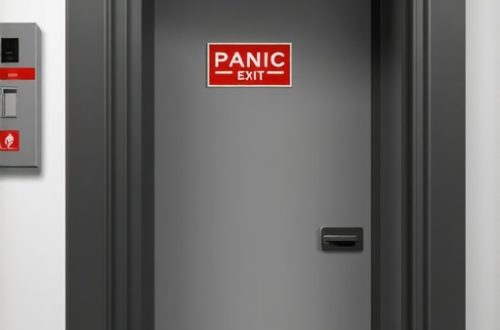
I teach my apprentices that if you have to force the key, you have already lost. This wisdom is doubly true when it refers to egress hardware. In my twenty-five years behind the bench, I have seen more failed inspections due to ‘trunk-slammers’ installing cheap, pot-metal exit devices than I can count. When it comes to 3 Panic Bar Fixes to Meet 2026 Commercial Building Codes, you are not just looking at a piece of hardware; you are looking at a life-safety mechanism designed to operate under the most extreme conditions of panic and chaos. Security is a physics problem, and the solutions for 2026 require a deep understanding of mechanical tolerances and electronic integration. [IMAGE_PLACEHOLDER_1]
“Security is always a trade-off between convenience and protection.” – Industry Axiom
Fix 1: Rectifying Dogging Mechanism Failure and Fire-Rated Integrity
The first major issue we see in commercial environments involves the dogging mechanism. For the uninitiated, ‘dogging’ is the act of retracting the latch bolt to allow the door to be used in a push-pull fashion without the latch engaging the strike. In the upcoming 2026 codes, the distinction between fire-rated and non-fire-rated hardware is becoming more stringent. You cannot use hex-key dogging on a fire-rated door. It is a violation of NFPA 80. Why? Because a fire door must latch to contain the spread of smoke and flame. I have walked into buildings where some ‘handyman’ drilled a hole in a fire-rated Von Duprin and inserted a screw to keep it open. That is a liability nightmare. The fix is to install a proper electrified latch retraction system that integrates with the fire alarm. When the alarm trips, the power cuts, and the latch snaps home. Let’s look at the physics: the internal compression springs in a Grade 1 exit device are rated for over a million cycles. When you ‘dog’ the bar improperly, you put uneven lateral pressure on the actuating assembly, leading to a ‘crunchy’ feel over time. This ruins the shear line of the internal components. For 2026, we are moving toward cylinder dogging which uses a standard 1-1/8 inch mortise cylinder, allowing the hardware to integrate into your commercial master key system advantages for businesses. This ensures that only authorized personnel can change the state of the door, maintaining strict key control.
Fix 2: Integration of Touchless Entry and Biometrics
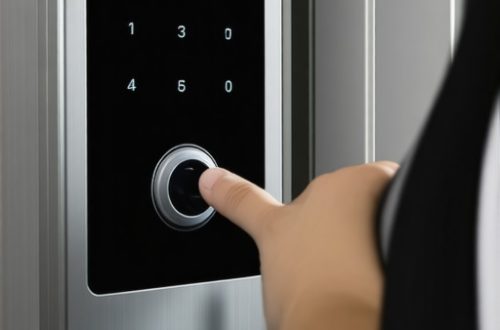
The 2026 standards are leaning heavily into touchless entry systems for offices and advanced biometric locks installation guide 2026 protocols. The old way was a mechanical bar and a rim cylinder. The new way is a motorized latch retraction (MLR) device. When we talk about commercial keyless entry benefits, we are talking about removing the physical contact point. In my shop, we are seeing a surge in requests for hardware that works with a wave-to-open sensor. To fix an outdated panic bar for the new code, you often need to swap the mechanical chassis for an electrified one. We’re looking at the internal solenoid or motor. A motor-driven kit is superior to a solenoid because it draws less current and runs cooler. If you are still using 24VDC solenoids from the 90s, they are likely humming—that is the sound of a coil about to fail. We replace these with smart motors that can detect obstructions. This is part of the biometric locks installation guide 2026: ensuring the exit device communicates with the reader. If the reader doesn’t see a valid fingerprint or face-map, the exterior trim remains locked, but the interior panic bar must always allow free egress. This is the ‘fail-secure’ vs ‘fail-safe’ dichotomy. For locksmith services for vacation homes or small offices, these systems are becoming the standard, not the exception.
“The primary purpose of an exit device is to provide a safe and easy means of escape in an emergency.” – ANSI/BHMA A156.3
Fix 3: Strike Plate Realignment and Tamper Detection
The most common physical failure is the strike plate. If the door sags by even a fraction of an inch, the latch bolt hits the strike instead of deadlocking into the cavity. This leads to the ‘spinning key’ syndrome or a bar that won’t depress. In 2026, building inspectors will be looking for signs of tampered locks detection. If your strike plate has been filed down to make it ‘fit,’ you have compromised the UL listing of the door. A proper fix involves using shims behind the hinges to re-square the door or installing a heavy-duty adjustable strike. We zoom in on the deadlocking plunger—that small secondary bolt on the end of the latch. If that plunger falls into the strike hole, the lock can be ‘shimmied’ with a credit card or a shove-it tool. It must rest on the face of the strike to lock the main bolt in place. We also see issues with commercial mailbox lock repairs where the same lack of maintenance leads to easy theft. For warehouse bays, we are recommending garage door lock upgrades 2026 to include interlock switches that prevent the motor from firing if the manual bolt is engaged. While we also handle transponder chip key cloning 2026 for the company fleet and preventing bike lockouts with smart tech for the employees, the panic bar remains the king of the commercial entry. Don’t use WD-40 on these mechanisms. It attracts dust and turns into a grinding paste. Use a high-quality PTFE-based dry lubricant. This keeps the stainless steel pins and brass wafers moving without the gunk.