The Anatomy of a Gate Breach: Why Physics Trumps Marketing
I teach my apprentices that if you have to force the key, or if you hear that electronic solenoid groaning like a dying animal, you have already lost the battle. It is a lesson in fundamental physics. Most gate failures I see in my shop come down to a lack of understanding regarding lateral tension and environmental degradation. A gate is not a door; it is a moving wall subject to wind, settling ground, and temperature swings that can throw a strike plate off by a quarter-inch in a single afternoon. When we talk about 2026 gate tampering, we are not just talking about some kid with a crowbar. We are talking about sophisticated bypasses of electronic access control systems for small businesses and the exploitation of cheap zinc components found in big-box hardware.
“Security is always a trade-off between convenience and protection.” – Industry Axiom
Fix 1: Hardened Strike Plates and Anti-Pry Shielding
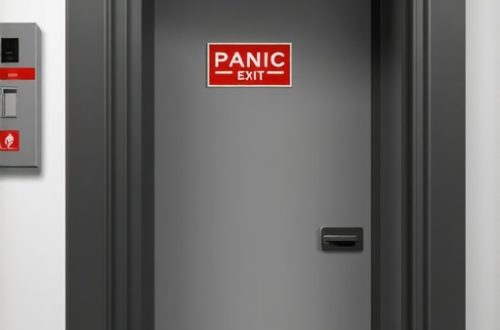
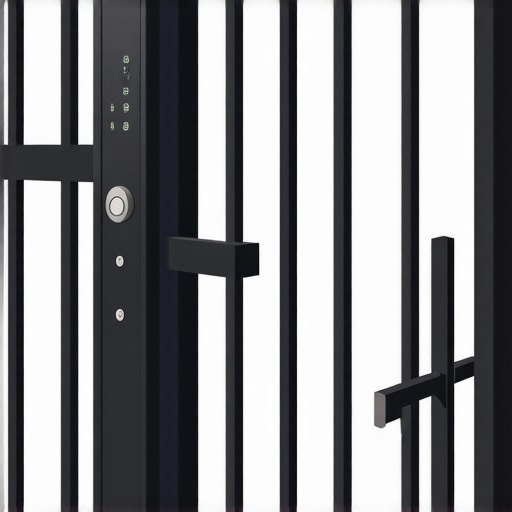
The psychology of a burglar is simple: they look for leverage. Most standard gate latches are held in place by two flimsy screws into a soft wood post or a thin-walled aluminum frame. To stop tampering, you must move to Grade 1 hardware. We are talking about panic hardware for office buildings 2026 standards, even for perimeter gates. A real fix involves welding a steel security box around the lock body to prevent the use of cordless reciprocating saws. The internal physics matter here: the latch bolt should have a minimum of a one-inch throw. When the bolt is engaged, the tolerance between the gate and the post must be less than 1/8th of an inch. If I can see the bolt, I can cut the bolt. I recommend using 304-grade stainless steel over zinc-plated steel because the latter will pit and corrode, leading to a ‘sticky’ throw that prevents the gate from fully deadlocking. This is critical for EV charging station lock security, where high-value copper and equipment are constant targets.
Fix 2: High-Impedance Solenoids and Surge Protection
Digital locks often fail because of electrical tampering or simple environmental shorts. A common tactic for 2026 is using a high-voltage pulse tool to fry the logic board of a gate lock, causing the solenoid to retract. To counter this, we install high-impedance solenoids with integrated MOV (Metal Oxide Varistor) surge protection. When you are looking for smart locks with video integration, you need to ensure the communication lines are encrypted. If the wires are accessible on the ‘hot’ side of the gate, a thief can simply snip them and apply a 9V battery to jump the solenoid. I always house the wiring in rigid EMT conduit. For those using a voice-activated locks setup tutorial, remember that the hardware is only as good as the relay. I prefer shielded 18AWG wire to handle the current pull without voltage drops that cause ‘chatter’ in the lock mechanism.
“A lock is only as strong as its weakest mounting point.” – BHMA Security Manual
Fix 3: Biometric Integration with Geofencing Overlays
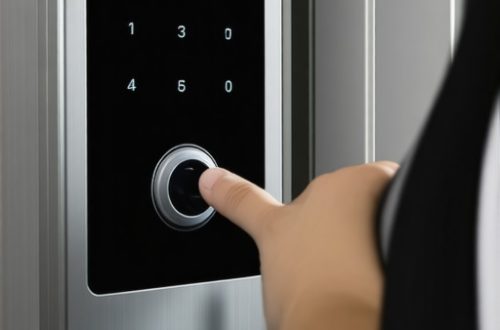
We are seeing a massive shift toward biometric locks installation guide 2026 protocols. The benefit of a fingerprint or iris scan at a gate is the elimination of the ‘lost key’ or ‘cloned fob’ risk. However, the hardware must be rated IP67 or higher. In our local climate, the humidity and salt air can cloud an optical sensor in months. Capacitive sensors are better for exterior gates. Furthermore, smart locks with geofencing features add a secondary layer of authentication. The gate will not even accept a biometric scan unless the authorized user’s mobile device is within a 10-foot GPS radius. This prevents ‘replay attacks’ where a thief tries to use a captured signal. If you are looking for automotive key programming near me, you likely already understand how rolling codes work; we apply that same logic to gate transmitters to prevent signal grabbing.
Fix 4: Managing Mechanical Fatigue and Lubrication
The biggest scam in the locksmith world is the guy who shows up and sprays WD-40 into your cylinder. That stuff is a solvent, not a lubricant; it attracts grit and eventually turns into a sticky paste that freezes the pins. For gates, which are exposed to dust and debris, you need a dry PTFE-based lubricant. Check the shear line of your cylinder. If the pins are made of soft brass, they will develop ‘flat spots’ from the gate’s vibration. This makes the lock easy to rake or bump. We replace these with nickel-silver pins that have a higher Rockwell hardness. This is why 24/7 emergency locksmith services explained often highlight that the ’emergency’ was actually three years of neglect culminating in a broken spring. For business owners, using a mobile app locksmith booking 2026 allows for scheduled preventative maintenance, ensuring the gate’s closer hasn’t leaked fluid, which would lead to the gate slamming and shearing the electronic strike. A properly adjusted hydraulic closer is the silent partner of gate security. When the gate closes, it should have a ‘latch speed’ that overcomes the wind but doesn’t punish the hardware. That is the peace of mind a Master Locksmith provides.