Unlocking the Secrets of Business Security: My Personal Journey
One chilly morning, I found myself locked out of my small business premises. It was a stressful moment, but it also sparked my curiosity about the best lockout and deadbolt solutions. Since then, I’ve delved deep into the world of commercial security, and I want to share some personal insights that might help fellow entrepreneurs.
Why I Switched to High-Quality Deadbolts
After experiencing a lockout due to a faulty lock, I realized the importance of investing in reliable deadbolt systems. I explored various options, including **smart deadbolts** and traditional heavy-duty locks. My choice was guided by the need for durability and ease of use, especially during emergency lockouts. According to experts, a robust deadbolt system is essential for deterring break-ins and securing sensitive business assets (source).
How Auto Lockout Solutions Saved My Business
Auto lockout solutions, like keyless entry and electronic access control, have transformed how I manage security. During a late-night emergency, I was able to quickly regain access without damaging the lock or wasting precious time. This experience convinced me to upgrade my security system, making my business safer and more efficient. I highly recommend exploring trusted auto lockout and deadbolt repair services to ensure quick response times (here).
What’s the True Cost of Ignoring Lock Security?
Ignoring proper lock and deadbolt maintenance can be costly, both financially and in terms of reputation. I learned this the hard way when a weak lock was exploited, leading to a break-in. That incident pushed me to research the latest commercial lock systems and security strategies. Investing in reliable locks and professional installation is crucial—it’s about safeguarding your livelihood, after all.
How Can I Make Sure My Business Locks Are Always Up to Date?
Staying ahead in security requires regular inspections and upgrades. I schedule routine lock checks and consult with trusted locksmiths for the latest advancements in deadbolt technology. Continuous education on security trends, like smart locks and access control systems, is vital. For more detailed guidance, I found this resource particularly helpful: Fast Locksmith’s guide to deadbolt security.
If you’ve faced similar challenges or have tips of your own, I’d love to hear your story. Feel free to share your experiences in the comments below or explore more about how professional locksmith services can enhance your business security.
Are Your Business Locks Keeping Up with Modern Threats?
In the ever-evolving landscape of business security, relying solely on traditional locks can leave your assets vulnerable. Today, I want to delve into the nuances of advanced deadbolt systems, exploring how they can be tailored to your specific needs to prevent unauthorized access and ensure peace of mind.
Choosing the Right Deadbolt for Your Commercial Space
When it comes to commercial security, not all deadbolts are created equal. High-security deadbolt locks feature reinforced materials, pick-resistant cylinders, and anti-drill plates, making them formidable barriers against intruders. For instance, electronic deadbolts with keypad or biometric access add an extra layer of security while offering convenience for authorized personnel. According to a comprehensive review by Fast Locksmith, selecting a deadbolt that integrates seamlessly with your existing security infrastructure is crucial for optimal protection.
What Are the Nuances of Smart Deadbolt Integration?
Smart deadbolts are revolutionizing commercial security by enabling remote access and real-time monitoring. These systems can be programmed to grant temporary access to contractors or employees, reducing the need for physical keys. However, experts advise that integrating smart deadbolts requires careful consideration of cybersecurity risks. Ensuring your network is secure and choosing reputable brands with robust encryption is essential. For detailed guidance, check out Fast Locksmith’s expert guide to deadbolt security.
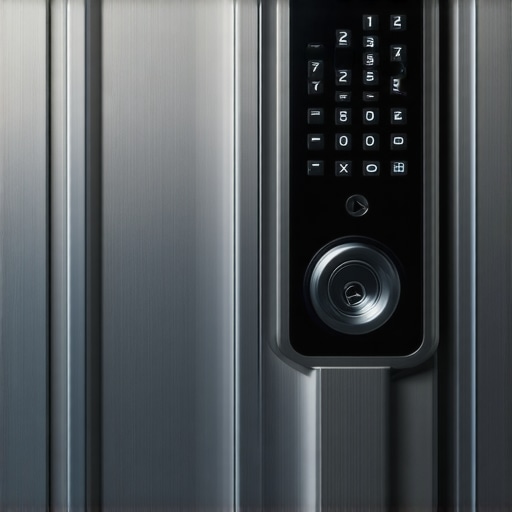
Furthermore, the installation process is critical—professional locksmiths can ensure your smart deadbolt functions flawlessly and remains tamper-proof. Regular updates and maintenance are necessary to keep the system resilient against evolving cyber threats.
How Can You Balance Security and Accessibility?
One of the biggest challenges in commercial lock management is balancing tight security with ease of access for authorized personnel. Implementing multi-layered security measures, such as combining traditional deadbolts with electronic access control, provides a flexible yet secure environment. For example, a layered approach can include a high-security deadbolt paired with biometric entry for sensitive areas, minimizing the risk of unauthorized entry while maintaining operational efficiency.
Could Over-Complicating Lock Systems Backfire?
While advanced lock systems offer superior security, over-complication can lead to operational headaches and potential vulnerabilities. Frequent lockouts, forgotten codes, or system malfunctions can ironically weaken your security posture. Therefore, it’s vital to have a clear protocol for lock management and regular staff training. Additionally, consulting with professional locksmiths experienced in commercial systems can help design a balanced solution that aligns with your business’s specific needs. For more insights, explore top auto lockout solutions.
Thinking Beyond the Basics: My Personal Experience with Smart Deadbolt Integration
When I first installed a smart deadbolt in my business, I was excited about the convenience and advanced features it promised. But as I delved deeper into its integration, I realized that the real challenge lay not just in installation but in understanding the complex security landscape it opened up. This journey has taught me invaluable lessons about balancing technological innovation with robust cybersecurity measures.
Why I Became Cautious About Cybersecurity Risks
Initially, I was captivated by the ease of remote access and real-time monitoring offered by smart deadlocks. However, I soon encountered the sobering reality—these systems, if not properly secured, could become vulnerabilities rather than assets. According to experts, ensuring your network is encrypted and protected against cyber threats is fundamental when deploying IoT-based security devices (source). This realization pushed me to adopt a more layered security approach, integrating firewalls and VPNs to shield my smart lock systems from potential breaches.
How I Learned to Fine-Tune My Smart Lock System for Maximum Security
Implementing a smart deadbolt is only the first step. Continuous management and updates are essential, much like maintaining a high-performance vehicle. I set up regular system audits, changed default passwords, and enabled multi-factor authentication. This process wasn’t just technical—it was personal. It made me more aware of how interconnected modern security solutions are and the importance of staying vigilant. For those interested in a comprehensive guide, I recommend exploring Fast Locksmith’s expert guide on integrating smart deadbolts securely.
Have I Overthought the Security? Navigating the Balance
One of the most nuanced lessons I learned is that overcomplicating security can backfire. When I added multiple layers—biometric access, remote control, audit logs—it sometimes made day-to-day operations cumbersome. I realized that the key is to tailor the system to your specific needs without creating unnecessary hurdles. A well-balanced approach, combining high-security deadbolts with user-friendly access methods, ensures both safety and operational efficiency. This balance is critical, especially when considering the potential for system malfunctions or user errors, which can ironically weaken your security posture. For insights on designing such balanced systems, check out Fast Locksmith’s comprehensive resource.
What Can I Do to Future-Proof My Business Security?
Looking ahead, my focus is on adaptability. Technology evolves rapidly, and so do cyber threats. I now prioritize systems that offer seamless updates and scalable security features. Engaging with professional locksmiths who specialize in advanced systems ensures I’m not left behind. Additionally, fostering a culture of security awareness among my staff helps prevent human errors that could compromise even the most sophisticated systems. If you’re curious about how to stay ahead, I recommend exploring trusted strategies for future-proofing.
Have you faced similar challenges with smart lock integrations? I invite you to share your experiences or questions in the comments below. The journey into advanced security is ongoing, and learning from each other can make all the difference.
Integrating Multi-Layered Security: Beyond the Standard Deadbolt
As my journey into sophisticated security systems deepened, I realized that relying solely on traditional deadbolts, even high-security variants, is insufficient in today’s threat landscape. The key to robust protection lies in the integration of multiple security layers—combining mechanical, electronic, and cyber defenses. For instance, pairing an anti-drill, pick-resistant deadbolt with a biometric access control system creates a formidable barrier that deters most intruders while offering seamless access for authorized personnel. This layered approach not only enhances security but also allows for flexible management tailored to sensitive zones within my business premises.
Why Cybersecurity Is Indispensable in Modern Lock Systems
In my experience, the rise of IoT-enabled deadbolts has introduced new vulnerabilities that require vigilant cybersecurity measures. While these smart locks offer unparalleled convenience, they also open potential entry points for cyber threats. To mitigate this, I adopted a comprehensive cybersecurity protocol—including network encryption, regular firmware updates, and multi-factor authentication—aligning with expert recommendations from trusted sources like Fast Locksmith. This proactive stance ensures that my digital lock interfaces remain resilient against hacking attempts, reinforcing my overall security posture.
What Are the Best Practices for Future-Proofing Commercial Lock Systems?
Future-proofing my business security involves anticipating technological evolutions and emerging threats. I focus on selecting scalable systems that support seamless updates and integrations with evolving security protocols. Regular audits and consultations with specialized locksmiths help me stay ahead of vulnerabilities. Additionally, fostering a culture of security awareness among staff minimizes human error, which remains a significant risk factor. To explore comprehensive strategies, I recommend reviewing trusted future-proofing tips from Fast Locksmith. Engaging with industry experts and staying informed about advancements ensures my security infrastructure adapts to new challenges effectively.
Refining Lock Management: The Art of Balance and Simplicity
One of my pivotal realizations was the importance of maintaining simplicity amidst complexity. Overloading my security system with numerous access points and advanced features initially seemed beneficial but soon proved cumbersome, causing operational delays and potential vulnerabilities. I learned that a judicious selection of high-security deadbolts combined with user-friendly access methods—such as coded keypads or smart cards—strikes the right balance. This approach enables swift access for authorized personnel while preserving stringent security standards. It also reduces the risk of system malfunctions or user errors that could compromise safety.
Could Over-Engineering Our Lock Systems Be Counterproductive?
Absolutely. My experience taught me that excessive customization and layered security measures might backfire if not carefully managed. Complex systems can lead to frequent lockouts, forgotten codes, or technical malfunctions, ironically weakening security. Establishing clear protocols, conducting staff training, and engaging professional locksmiths for system design are crucial steps. I found that focusing on proven, reliable solutions tailored to my operational needs optimizes both security and efficiency. For further insights, I rely on expert recommendations on auto lockout solutions that balance complexity with manageability.
Deep Dive into Smart Deadbolt Cybersecurity: Lessons from My Experience
My initial enthusiasm for smart deadbolts was tempered by the realization that cybersecurity is an ongoing commitment. After deploying these systems, I encountered challenges related to network vulnerabilities and unauthorized access attempts. Implementing strict network security, including firewalls and VPNs, became integral to safeguarding my systems. Regular password changes, multi-factor authentication, and firmware updates are part of my routine now, echoing best practices from cybersecurity authorities. This disciplined approach has significantly reduced risks, transforming my smart lock system from a potential weak link into a secure asset.
Engaging with the Expert Community: Your Turn
If you’re venturing into advanced lock systems or have encountered similar cybersecurity challenges, I invite you to share your insights or questions. The landscape of commercial security is complex and constantly evolving—collaborative learning is essential. Explore more about how professional locksmiths can assist in designing resilient, future-proof lock solutions by visiting Fast Locksmith’s comprehensive guide. Let’s continue the conversation and fortify our businesses against tomorrow’s threats together.
Things I Wish I Knew Earlier (or You Might Find Surprising)
The Hidden Power of Routine Maintenance
Looking back, I underestimated how crucial routine lock inspections are. A simple scheduled check could have prevented a costly break-in. Regular maintenance isn’t just about function; it’s about peace of mind, and I now swear by quarterly reviews to keep my security tight.
The Value of Expert Advice
Early on, I thought I could handle security upgrades myself. Turns out, professional locksmiths bring invaluable insights, especially with complex systems like electronic deadbolts. Trusting experts has saved me time and prevented costly mistakes.
Over-Engineering Can Backfire
Initially, I added many layers of security—biometrics, remote controls, audit logs. While these are great, I discovered that over-complicating the system sometimes causes operational delays and user errors. Balance is key, and simplicity often wins.
Cybersecurity Is Just as Important as Mechanical Security
When I adopted smart deadbolts, I learned cybersecurity is a critical component. Protecting my network with firewalls, VPNs, and multi-factor authentication has been essential to keep my digital lock systems safe from hacking threats.
The Future Is Scalable and Updatable
I’ve realized that choosing systems that support seamless updates and integrations is vital. The security landscape changes rapidly, and scalable solutions ensure I won’t be left behind, maintaining my business safety over time.
Resources I’ve Come to Trust Over Time
- Fast Locksmith: Their comprehensive guides have been instrumental in understanding the latest deadbolt technologies and security strategies. I recommend their resources to anyone serious about security.
- National Locksmith Association: A trusted source for industry standards and best practices, helping me stay compliant and informed about new security solutions.
- Cybersecurity & Infrastructure Security Agency (CISA): Their advice on protecting IoT devices and network security has been invaluable for safeguarding my smart locks from cyber threats.
Parting Thoughts from My Perspective
From my experience, the most important lesson is that combining mechanical and digital security measures creates a resilient defense for your business. Regularly updating your locks, consulting with professionals, and staying informed about technological advances are key to effective protection. If this resonated with you, I’d love to hear your thoughts or experiences. Feel free to share or ask questions in the comments—let’s learn from each other and keep our businesses safe!


![How to Cut 2026 EV Key Fob Replacement Costs by 50% [Data]](https://prolocksmithco.com/wp-content/uploads/2026/04/How-to-Cut-2026-EV-Key-Fob-Replacement-Costs-by-50-Data-500x330.jpeg)
Reading about your journey into business security really resonated with me, especially the part about relying on reliable deadbolts and auto lockout solutions. As someone who manages a small coworking space, I’ve faced similar challenges with lockouts and the importance of upgrading to high-quality, smart deadbolts. However, I wonder, how do you balance the convenience of smart locks with the potential cybersecurity risks? I’ve heard mixed opinions on the security of IoT devices, and I’d be interested to know what best practices you follow to mitigate these vulnerabilities while maintaining easy access for authorized personnel. Your experience with integrating multi-layered security and regular updates is insightful, and I believe it’s a crucial aspect many overlook when implementing these systems. Do you have any advice on training staff or establishing protocols to ensure that security measures do not become operational hurdles? Thanks for sharing your detailed insights; it’s given me some ideas to consider for my own business safety.
Your story really hits home for me, especially the part about the importance of regular maintenance and choosing scalable security solutions. I’ve experienced firsthand how a simple oversight during routine checks can jeopardize a business—scheduling regular inspections has been a game changer. When it comes to integrating new technologies like smart deadbolts, I’ve found that establishing clear staff protocols and ongoing training is essential. It helps prevent operational hurdles and ensures everyone understands how to use the systems effectively without compromising security. Have you found any particular staff training methods or management tools especially effective in keeping everyone on the same page? Also, with the rapid evolution of cyber threats, I’m curious—how do you stay updated on the latest cybersecurity best practices for IoT-enabled locks? It’s a fascinating area, and I think continuous learning is key to staying ahead. Thanks again for sharing your insights; they’ve definitely given me some ideas to refine my own security approach.
It’s inspiring to read about your proactive approach toward business security. I completely agree that regular inspections and staying updated with technological trends are vital, especially as cyber threats become more sophisticated. I’ve found that creating a comprehensive security protocol, which includes staff training, periodic lock system audits, and understanding cybersecurity fundamentals, makes a noticeable difference. Regarding staff training, practical workshops and clear written procedures help prevent operational hurdles and ensure everyone feels confident when using new security systems. As for cybersecurity updates, I subscribe to industry newsletters and participate in webinars hosted by security associations—these keep me informed about the latest risks and best practices.
Your point about balancing security and accessibility resonates deeply. Have you explored implementing multi-factor authentication options for your lock systems? I wonder what your experience has been with integration challenges or user compliance. It’s always interesting to hear what strategies work best in different business environments. Thanks for sharing your journey—your insights truly encourage others to be diligent and forward-thinking in their security planning.