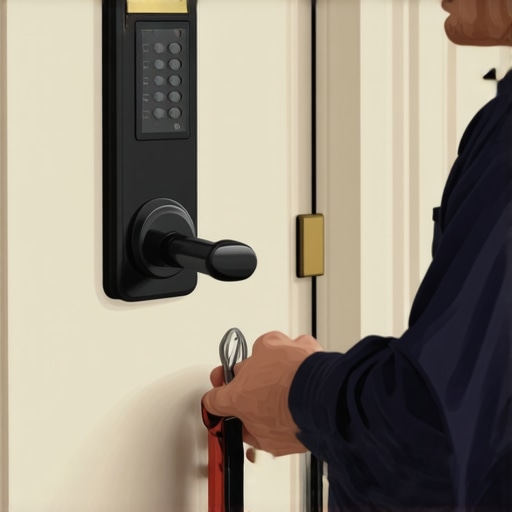
My First Experience with a Lockout Crisis: A Wake-Up Call for Commercial Security
I’ll never forget the day I found myself locked out of a client’s office building in the middle of a busy workday. It was a stressful situation, and it made me realize how crucial reliable lockout solutions are for businesses. From that moment, I became passionate about learning how to prevent such scenarios and enhance security with the right deadbolt strategies.
Understanding the Power of Deadbolts in Commercial Security
In my experience, deadbolt locks are a game-changer for safeguarding commercial spaces. They’re sturdy, resistant to forced entry, and provide a significant layer of protection. I always recommend businesses invest in high-quality deadbolt systems, especially those that are resistant to picking and bumping. For more detailed insights, I often refer to Fast Locksmith’s guide on deadbolt security.
Best Practices for Preventing Business Lockouts
One of my top tips is to maintain a set of spare keys in a secure location or with trusted personnel. I also advise businesses to regularly test their lock systems and consider electronic access controls for added convenience. Implementing a routine checkup can prevent unexpected lockouts, saving time and money. I learned this from working closely with locksmith professionals who specialize in advanced lockout solutions.
How Can I Ensure My Deadbolt Locks Are Up to Date?
This is a question I often get from business owners. Regular inspections and upgrades are essential, especially if your locks are outdated or compromised. Upgrading to smart deadbolts can provide real-time alerts and remote access, boosting security. For reliable installation tips, I recommend exploring trusted lock installation resources.
What Are the Key Features to Look for in a Commercial Deadbolt?
Great question! In my experience, the best deadbolts for commercial properties should be pick-resistant, durable against weather conditions, and compatible with electronic access systems. Always choose locks with ANSI Grade 1 certification for maximum security. These features ensure your business remains protected against intruders and accidental lockouts alike.
If you’re interested in further enhancing your building’s security, I invite you to share your experiences or ask questions below. Collaborating and learning from each other’s stories can help us all stay better protected.
Are Your Deadbolt Locks Ready to withstand Today’s Security Challenges?
As a seasoned locksmith professional, I often encounter business owners who underestimate the importance of regularly updating their deadbolt systems. The security landscape evolves rapidly, with intruders employing more sophisticated techniques. Upgrading your deadbolt locks isn’t just about staying compliant; it’s about proactively protecting your assets, employees, and clients. For instance, choosing locks with ANSI Grade 1 certification ensures the highest security standards are met, providing peace of mind against forced entry and tampering.
Key Features That Make a Deadbolt Truly Commercial-Grade
When selecting deadbolts for your business, look for models that are pick-resistant, bump-proof, and weather-resistant to withstand harsh environments. Modern smart deadbolts offer remote access, real-time alerts, and audit trails, elevating your security management. An effective upgrade involves integrating these smart systems with your existing access control infrastructure, which can be seamlessly achieved by consulting trusted resources such as Fast Locksmith’s comprehensive guide. This integration not only enhances security but also simplifies management, especially for multi-location businesses.
How Can Regular Maintenance Extend the Lifespan of Your Locks?
Routine inspections and maintenance are crucial. Lubricating the lock mechanism, checking for wear and tear, and replacing outdated components can prevent unexpected failures. Remember, a lock that jams or becomes difficult to operate compromises security and convenience. Professional locksmiths recommend scheduling annual assessments—similar to a health check for your security system—to identify vulnerabilities early. This proactive approach aligns with best practices outlined in trusted industry guides, ensuring your deadbolts perform optimally when needed most.
What Are the Practical Steps to Transition to Electronic Deadbolt Systems?
Transitioning to electronic or smart deadbolts involves careful planning. Start by assessing your current security needs and compatibility with existing infrastructure. Next, select models with robust encryption and fail-safe features, minimizing the risk of hacking or system failures. Professional installation is critical; improper setup can negate the benefits of advanced features. For detailed procedures and expert recommendations, I suggest exploring trusted installation tips. Properly integrated, these systems can provide remote lock management, access logs, and instant lockdown capabilities, significantly boosting your business’s security posture.
How Do I Balance Security and Usability in Deadbolt Selection?
This is a nuanced decision. While high-security locks offer superior protection, they must also be user-friendly to avoid frustrating employees or clients. Consider electronic deadbolts with keypad or biometric access, which provide quick entry without compromising security. Additionally, implementing multi-layered security strategies—combining deadbolts with surveillance cameras and alarm systems—creates a comprehensive barrier against intruders. Remember, the goal is to create a seamless security experience that encourages compliance and reduces lockout incidents. For further insights, visiting dedicated articles like effective lock system strategies can be invaluable. If you’re interested in exploring specific product recommendations or need a custom security audit, I invite you to share your questions or experiences below—learning from each other helps us all stay protected.
From Personal Experience to Advanced Security Strategies
Reflecting on my journey in commercial locksmithing, I realize that each lockout situation I encounter teaches me something new about the evolving landscape of security. My initial experience with a lockout crisis was a stark reminder of how crucial reliable deadbolt systems truly are. Over time, I’ve witnessed the rapid development of lock technology, especially the integration of smart features that offer real-time alerts and remote control, transforming traditional deadbolt security into a sophisticated defense mechanism.
Understanding the Nuances of High-Grade Deadbolts
In my line of work, I’ve come to appreciate that not all deadbolts are created equal. The choice of a lock with ANSI Grade 1 certification isn’t just a technical detail; it’s a fundamental aspect of ensuring maximum security. These locks are designed to withstand forced entry, picking, and bumping—threats that intruders are increasingly sophisticated at exploiting. Moreover, weather-resistant models are essential for outdoor commercial spaces, where environmental wear can compromise security if not properly addressed.
Balancing Security and Usability in Complex Environments
One of the more nuanced challenges I face is finding the sweet spot between security and ease of access. Electronic deadbolts with biometric or keypad entry systems have revolutionized this balance, allowing authorized personnel swift entry while maintaining tight security controls. But it’s not just about technology; it’s about creating an integrated security ecosystem. Combining deadbolts with surveillance systems and alarm networks enhances overall protection and provides peace of mind that intrusions are less likely to succeed.
Deepening the Conversation: How Do You Stay Ahead of Evolving Threats?
What are the most effective ways to ensure your deadbolt systems adapt to emerging security threats?
This question is at the forefront of my professional thought process. Regular updates, professional assessments, and integrating smart lock solutions that offer audit trails and remote management are vital. For example, upgrading outdated locks with those featuring encryption and anti-tampering technology significantly reduces vulnerability. A recent project involved transitioning a client’s outdated locks to smart deadbolts, which not only improved security but also streamlined access management across multiple locations. For more detailed strategies, I recommend exploring Fast Locksmith’s comprehensive guide.
Sharing real-world experiences and insights with fellow security professionals is invaluable. If you’ve faced unique challenges or innovative solutions, I encourage you to share your stories below. Learning from each other keeps us all better prepared against today’s increasingly complex security threats.
Innovative Lockout Prevention Tactics in Complex Environments
Over the years, I’ve developed nuanced strategies to prevent lockouts, especially in multi-tenant buildings or facilities with high traffic. One effective approach involves integrating electronic access control systems with traditional deadbolts, which allows for real-time monitoring and remote management. This hybrid setup not only minimizes lockout incidents but also provides an audit trail for security reviews. For example, implementing smart deadbolts with scheduled access permissions can dramatically reduce unauthorized entry attempts, as detailed in this comprehensive guide.
The Role of High-Grade Materials in Durability and Tamper Resistance
Choosing deadlocks constructed from hardened steel or brass alloys significantly enhances their resistance to tampering and environmental wear. In my experience, weather-resistant models with reinforced strike plates provide added security outdoors, where exposure to elements can compromise weaker locks. This durability ensures long-term reliability, reducing the need for frequent replacements and potential vulnerabilities. I often consult the specifications outlined in trusted installation resources for guidance on selecting optimal materials.
Advanced Integration of Smart Deadbolts with Security Ecosystems
Integrating smart deadbolts with surveillance, alarm systems, and access logs creates a layered defense, elevating overall security. For instance, remote locking/unlocking capabilities combined with real-time alerts can notify security personnel of suspicious activities immediately. This integration requires careful planning to ensure compatibility and cybersecurity resilience. A recent project involved upgrading an office complex’s security by deploying encrypted smart locks linked to a centralized management platform, exemplifying how technology can be harnessed to combat today’s sophisticated threats. For detailed insights, explore this expert guide.
Rethinking Access Hierarchies for Optimal Security and Usability
Designing tiered access levels in electronic deadbolt systems facilitates secure yet convenient entry for employees, vendors, and visitors. In my practice, I recommend assigning permissions based on roles, with regular audits to prevent privilege creep. Biometric integration adds an additional layer, ensuring only authorized personnel gain access without the hassle of physical keys. This approach, supported by the principles outlined in professional lockout management, optimizes both security and operational efficiency.
How Do You Future-Proof Your Locks Against Emerging Threats?
What proactive measures can businesses implement to ensure their deadbolt systems keep pace with evolving security challenges?
Staying ahead of threats involves continuous assessment and embracing technological advancements. Regular firmware updates for smart locks, employing encryption standards like AES-256, and conducting vulnerability audits are essential. Additionally, partnering with security experts to perform penetration testing on your access systems can reveal potential weaknesses before intruders do. For instance, transitioning from traditional locks to encrypted smart deadbolts has been a game-changer in my recent projects, offering not just enhanced security but also operational agility. For more detailed strategies, I recommend reviewing this authoritative resource.
If you’re interested in exploring how these advanced strategies can be tailored to your specific security needs, I encourage you to share your experiences or ask questions below. Collective insights help us all stay resilient against the ever-changing landscape of security threats.
Things I Wish I Knew Earlier (or You Might Find Surprising)
The Hidden Power of Proper Maintenance
Looking back, I realize that neglecting routine lock inspections was a mistake early in my career. Regular maintenance can prevent unexpected failures and costly lockouts, saving time and stress in the long run. I learned this from countless experiences where a simple lubrication or timely upgrade would have prevented a security breach or inconvenience.
Not All Deadbolts Are Equal
Initially, I assumed all deadbolts offered similar protection. However, discovering the significance of ANSI Grade 1 certification was a game-changer. These locks are designed to withstand sophisticated intrusions, making them essential for serious business security. It’s a detail that should never be overlooked when choosing your system.
Smart Locks Are More Than Just Fancy Gadgets
When I first encountered electronic deadbolts, I thought they were just high-tech accessories. Over time, I saw how their real-time alerts and remote management capabilities drastically improved security protocols. Embracing smart technology isn’t just trendy; it’s a strategic move to stay ahead of evolving threats.
The Balance Between Security and Usability
Finding the right mix of high security and ease of access can be tricky. I’ve seen clients frustrated with overly complex systems or locked out due to rigid controls. The key is layered security—combining physical deadbolts with biometric or keypad access—ensuring safety without sacrificing convenience.
Integration Is the Future
Integrating deadbolts with surveillance and alarm systems elevates your security. I’ve worked on projects where this synergy allowed for instant lockdowns and comprehensive monitoring, making intrusions significantly more difficult. It’s a reminder that a holistic approach beats isolated solutions every time.
Stay Ahead of the Threats
As threats evolve, so should your security measures. Regularly updating firmware, employing encryption standards, and conducting vulnerability assessments are essential. I’ve seen how proactive upgrades, especially to encrypted smart deadbolts, can turn a weak point into a formidable barrier.
Resources I’ve Come to Trust Over Time
- Fast Locksmith’s Guide on Deadbolt Security: A comprehensive resource that offers practical insights into choosing and upgrading deadbolts, which I highly recommend for anyone serious about security.
- Trusted Auto Lockout & Deadbolt Repair Tips: This site provides excellent tips for quick fixes and preventive measures against lockouts, helping me serve clients more effectively.
- Reliable Commercial Lock Systems & Installation Resources: An authoritative source that guides professional installations, ensuring maximum security and durability of lock systems.
Parting Thoughts from My Perspective
Reflecting on my journey, I’ve come to see that proper deadbolt management—whether through regular maintenance, choosing high-grade materials, or integrating smart technology—is vital for effective commercial security. Each lockout or breach I’ve experienced has reinforced the importance of staying informed and proactive. If this resonates with you, I’d love to hear your own experiences or thoughts. Sharing knowledge helps us all build safer, smarter spaces. Feel free to drop your insights in the comments or share this post with someone who might benefit from a security upgrade.


![How to Cut 2026 EV Key Fob Replacement Costs by 50% [Data]](https://prolocksmithco.com/wp-content/uploads/2026/04/How-to-Cut-2026-EV-Key-Fob-Replacement-Costs-by-50-Data-500x330.jpeg)