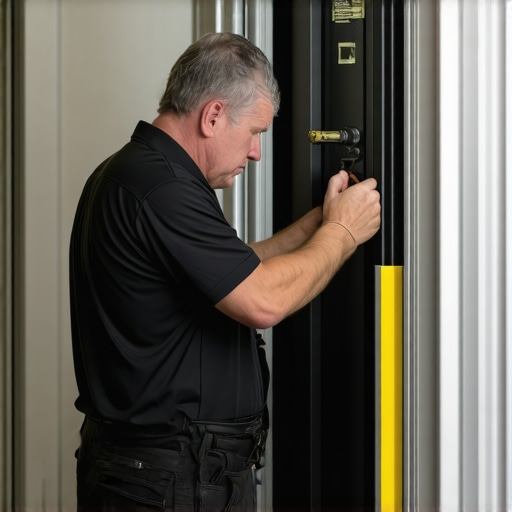
How a Lockout Incident Changed My Perspective on Business Security
One hectic morning, I found myself locked out of my office just as clients were arriving. That unexpected situation made me realize how crucial reliable lock systems are for any business. Since then, I’ve been exploring effective solutions like commercial deadbolts and innovative lock systems to safeguard my workspace better.
Why I Switched to Advanced Commercial Lock Systems
After the lockout mishap, I started researching options that could prevent such inconveniences. I discovered that modern commercial lock systems, including electronic and high-security deadbolts, offer both convenience and enhanced protection. I learned that choosing the right lock isn’t just about security but also about ease of access for authorized personnel, which is vital for smooth business operations. For comprehensive insights, I checked out trusted sources like this guide on effective lock systems.
My Experience with Deadbolt Security Tips for Businesses
Implementing deadbolt security tips was a game-changer. I opted for commercial deadbolts with reinforced strike plates and anti-drill features. These upgrades significantly boosted our door security. I also learned about the importance of regular maintenance and professional installation, which I now prioritize. For those interested, I found useful information on trusted auto lockout and deadbolt solutions here.
What Are the Best Commercial Deadbolt Lockout Solutions for 2024?
Looking ahead, I’m considering advanced lockout solutions that combine smart technology with robust deadbolts. These systems not only prevent unauthorized access but also provide remote monitoring capabilities. The key is balancing security with accessibility. If you’re curious about the latest innovations, I recommend exploring top solutions for 2024, which I found to be very insightful.
How Do I Ensure My Business Lock System Remains Trustworthy?
Trustworthiness comes from regular updates, professional installations, and choosing reputable brands. I’ve learned that consulting with experienced locksmiths can make a big difference. They can recommend tailored security solutions and perform essential lock rekeying or upgrades. For ongoing tips, I often visit trusted auto lockout and deadbolt repair resources.
If you’ve had experiences with business lock systems or want to share your insights, I’d love to hear your story in the comments!
Are Your Commercial Locks Ready for the Challenges of 2024?
As security threats evolve and technology advances, business owners must stay ahead with innovative lock solutions. The question is not just about installing high-quality deadbolts but understanding how integrated security systems can provide comprehensive protection. Modern commercial lock systems now incorporate smart technology, remote access, and real-time monitoring, transforming traditional security into a proactive defense mechanism. For example, integrating smart locks with your existing security infrastructure can allow you to grant access remotely, monitor entry logs, and receive instant alerts on suspicious activity. This layered approach significantly minimizes vulnerabilities and enhances trustworthiness.
How Can Expert-Recommended Deadbolt Systems Elevate Your Business Security?
Choosing the right deadbolt system is crucial for ensuring long-term security. Experts suggest prioritizing features such as anti-drill plates, reinforced strike plates, and pick-resistant cylinders. These elements prevent common attack methods, making your locks more resilient against intruders. Additionally, professional installation guarantees that the locks are correctly fitted, reducing the risk of security lapses. For businesses looking to upgrade, exploring trusted solutions like those outlined in top deadbolt lockout options can provide valuable insights into the most reliable products for 2024. Remember, regular maintenance and periodic rekeying are vital to maintaining trustworthiness over time.
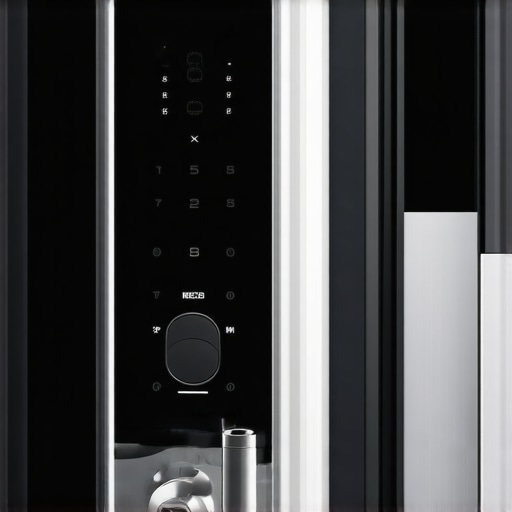
What Are the Critical Factors in Selecting a Security System That Grows with Your Business?
When considering a commercial lock system, it’s essential to evaluate scalability, integration capabilities, and compliance with industry standards. An expert approach involves assessing your specific security needs, such as access control for multiple entrances or integration with CCTV systems. The ability to expand or upgrade your lock systems without extensive overhaul saves time and resources. Moreover, choosing systems that meet or exceed standards set by industry authorities, as highlighted in trusted resources like this comprehensive guide, ensures your security infrastructure remains robust and compliant.
How Do I Balance Security and Accessibility for Different Business Types?
Each business has unique challenges—retail stores, offices, warehouses—that require tailored lock solutions. Experts recommend segmenting access levels based on roles, using electronic deadbolts with programmable codes or biometric access where appropriate. Such systems provide flexibility, allowing authorized personnel quick entry while preventing unauthorized access. Additionally, remote management features facilitate control over multiple sites, especially for businesses with multiple locations. For insights into implementing these systems effectively, check out this resource on auto lockout solutions. These strategies not only improve security but also streamline operations, ensuring staff can access what they need without delays.
If you’re interested in exploring more about the latest lock innovations or want to share your experiences, I encourage you to comment below or share this article with colleagues seeking to strengthen their security posture!
How Deep Does the Security Rabbit Hole Go? Navigating Complexities Beyond Basic Deadbolts
Over the years, I’ve come to realize that choosing a commercial deadbolt isn’t just a straightforward decision—it’s an intricate puzzle that involves understanding evolving threats, technological advancements, and the subtle nuances of building architecture. One thing I’ve learned through my personal journey is that a lock’s physical robustness must be complemented by strategic placement and integration with other security measures. For instance, combining high-security deadbolts with CCTV surveillance or access control systems can create a layered defense that’s much harder for intruders to bypass. This layered approach, often recommended in trusted industry guides like this comprehensive resource, has profoundly changed the way I view business security—no single lock can be foolproof, but together, they form an almost impenetrable barrier.
The Hidden Nuances of Lock Material and Construction: What I Wish I Knew Earlier
Initially, I underestimated the importance of the material and construction quality of deadbolts. I thought that simply opting for a branded product was enough. However, my experience taught me that some materials, like reinforced steel or brass with anti-drill features, offer significantly better resilience against common attack methods like drilling or picking. I also learned that the cylinder design plays a crucial role—pick-resistant, bump-proof cylinders can thwart many sophisticated intrusion techniques. For those who want to dig deeper, exploring top solutions for 2024 can reveal the latest innovations in lock construction that I wish I had known about earlier. Understanding these fine details can mean the difference between a compromised lock and a fortress.
How Do I Balance Security with Business Efficiency? My Personal Dilemma
One of the most complex challenges I faced was finding the sweet spot between maximum security and operational convenience. As a small business owner, I wanted staff to access entrances swiftly without compromising safety. After experimenting with programmable electronic deadbolts and biometric options, I found that the key lies in tailoring access levels—granting temporary or role-specific access that can be remotely managed. This approach, which I adopted after consulting with security experts, has allowed my team to work efficiently while maintaining tight control over entry points. For a practical guide, I recommend reviewing these solutions for 2024. Finding that balance is an ongoing process, but one that pays dividends in peace of mind and operational flow.
What Are the Most Overlooked Aspects of Lock Maintenance and Upgrades?
In my experience, routine maintenance is often overlooked yet is vital for long-term security. Regularly inspecting deadbolt components for wear, lubrication, and alignment can prevent failures at critical moments. Upgrading locks periodically, especially when new threats emerge or technology advances, ensures your security infrastructure remains resilient. I learned this the hard way—an old lock that seemed sturdy failed during a break-in attempt, highlighting the importance of proactive upgrades. Trusted resources like this guide have been invaluable in helping me develop a maintenance schedule that keeps my locks in top condition. Staying ahead of potential issues is a key part of trustworthiness that I now prioritize above all else.
How Can I Future-Proof My Business Security System?
Looking ahead, I recognize that the future of business security isn’t just about stronger locks but smarter, more integrated systems. My personal insight is that investing in scalable, IoT-enabled deadbolt systems allows for remote management, real-time alerts, and seamless integration with other security layers. For example, I’ve started exploring smart locks that can be integrated with my existing security platform, providing a proactive shield rather than a reactive one. As technology continues to evolve rapidly, staying informed through authoritative sources like this ultimate guide helps me adapt my security strategies effectively. Future-proofing isn’t just about installing the latest hardware but fostering a mindset of continuous improvement and vigilance—an approach I believe every business owner should adopt.
If you’ve faced similar dilemmas or have insights into advanced commercial lock systems, I invite you to share your stories or questions in the comments. Let’s learn from each other’s experiences and strengthen our security practices together!
Beyond the Basics: Integrating Multifaceted Security Layers for Maximum Resilience
Over time, my approach to securing my business has evolved from relying solely on robust deadbolts to embracing a comprehensive, layered security infrastructure. This shift was motivated by an understanding that no single lock or technology can withstand sophisticated intrusions. I began integrating access control systems with CCTV surveillance, alarm systems, and biometric verification, creating a multi-tiered defense that adapts to emerging threats. This synergy not only deters potential intruders but also provides invaluable real-time insights, enabling me to respond proactively rather than reactively. Leveraging industry-leading solutions like this detailed guide has been instrumental in designing such resilient setups.
Deciphering the Material Science of Locks: What Really Matters?
Initially, I underestimated the importance of material integrity in lock construction. My personal experience and subsequent research revealed that high-grade steel alloys, brass with anti-drill features, and advanced cylinder materials significantly enhance a lock’s resistance to attack. For example, I adopted locks featuring anti-bump and bump-proof cylinders, which are designed to thwart common intrusion techniques. Recognizing the subtle distinctions in materials and their manufacturing processes—such as hardened core inserts—has empowered me to make informed choices, aligning with expert recommendations found in this authoritative resource. Understanding these nuances is crucial for anyone serious about fortifying their premises.
How Do Smart Lock Systems Elevate Security Without Compromising Convenience?
One of my most rewarding advancements has been the adoption of smart lock technology integrated with mobile management apps. These systems offer unparalleled flexibility—remote access, real-time entry logs, and instant lock/unlock capabilities—allowing me to oversee security from anywhere. However, the challenge lies in balancing technological convenience with cybersecurity risks. To mitigate such concerns, I implement multi-factor authentication and regularly update firmware, following best practices outlined in this comprehensive guide. The result is a seamless blend of convenience and fortified security, enabling my business to adapt swiftly to operational demands while maintaining high safety standards.
What Are the Cutting-Edge Solutions for 2024 That Keep Your Business a Step Ahead?
As technology accelerates, staying ahead requires embracing innovations like AI-powered security analytics and IoT-enabled deadbolts. These solutions provide predictive insights, anomaly detection, and adaptive access controls, significantly reducing vulnerabilities. I am exploring systems that integrate biometric authentication with cloud-based management platforms, which offer unparalleled scalability and responsiveness. Consulting industry leaders and authoritative sources such as this ultimate guide has been pivotal in identifying the most promising options for 2024. Investing in such forward-looking solutions ensures my business remains resilient amidst evolving threats and technological landscapes.
How Can I Cultivate a Culture of Continuous Security Improvement?
Security is an ongoing journey, not a one-time setup. I have adopted a proactive mindset—regularly scheduled audits, staff training, and keeping abreast of latest industry developments. Engaging with reputable locksmiths and security consultants helps identify gaps and implement upgrades promptly. I also participate in industry forums and read expert analyses, which keep me informed about emerging risks and innovative defenses. For practical guidance, I rely on trusted resources like this trusted resource. Building a security-aware culture within my team fosters vigilance and collective responsibility, ultimately reinforcing the fortress I strive to maintain.
Are You Ready to Elevate Your Business Security Strategy?
If you’re committed to advanced security practices or have insights from your own experience, I encourage you to share your stories or questions in the comments. Exploring these topics together can unlock new strategies and innovations, ensuring our collective security resilience. Remember, the key to true security lies in continuous learning, strategic integration, and leveraging expert knowledge to stay one step ahead of threats.
Things I Wish I Knew Earlier (or You Might Find Surprising)
1. The Material Matters More Than I Thought
Initially, I believed that a branded lock was enough, but I soon realized that the material and construction quality are crucial. Reinforced steel and anti-drill features can make a real difference in resisting intrusions, saving me from costly break-ins later on.
2. Regular Maintenance Saves Headaches
Overlooking routine check-ups on my locks almost cost me when a deadbolt failed during an emergency. Consistent inspections and timely upgrades keep security tight and prevent surprises.
3. Technology Can Be a Double-Edged Sword
Adopting smart locks has been a game-changer, but cybersecurity risks are real. Implementing multi-factor authentication and firmware updates has been essential to keep my digital doors secure.
4. Layered Security Is Non-Negotiable
Relying solely on deadbolts isn’t enough. Combining locks with surveillance and access control creates a fortress that even seasoned intruders find tough to breach.
5. Expert Advice Makes All the Difference
Consulting with experienced locksmiths helped me choose the right products and installation techniques, reinforcing my trust in professional installations over DIY hacks.
6. Future-Proofing Is a Continuous Process
Security isn’t a set-and-forget deal. Staying informed about new threats and upgrading systems regularly keeps my business one step ahead.
Resources I’ve Come to Trust Over Time
- Pro Locksmith Co. – Their comprehensive guides on commercial lock systems have been invaluable, providing insights I couldn’t find elsewhere.
- Industry-Leading Locksmith Forums – Engaging with professionals online has kept me updated on emerging security solutions.
- Official Security Standards Websites – These offer trustworthy compliance guidelines that help me ensure my security measures are reliable.
Parting Thoughts from My Perspective
Reflecting on my journey, I realize that choosing the right commercial deadbolt and security system is about more than just initial installation. It’s an ongoing commitment to staying vigilant, updating technology, and learning from trusted sources like this guide. If you’re serious about protecting your business, I encourage you to prioritize layered security, regular maintenance, and expert advice. Remember, real security comes from continuous improvement and awareness. If this resonated with you, I’d love to hear your thoughts or experiences—feel free to share in the comments or pass this along to someone who might benefit.

Reading this post really resonated with me because I experienced a lockout situation myself early on in my business. It was a wake-up call about how essential reliable locking systems are and motivated me to upgrade to electronic locks with remote access. Since then, I’ve seen firsthand how this enhances both convenience and security. The point about integrating smart technology with traditional deadbolts for a layered defense is spot on. We installed a smart lock system that logs entries and can be managed remotely, which has significantly improved operational efficiency while keeping us protected.
I’m curious, for those who have adopted smart lock systems, what challenges did you face during installation or integration? Also, how do you ensure cybersecurity is maintained, particularly with remote access? I believe that combining physical security with cybersecurity measures is the way forward for business safety in 2024 and beyond.
This post really emphasized the importance of layering security rather than relying solely on deadbolts. I’ve also found that implementing layered security, such as combining smart locks with surveillance cameras and access logs, makes a huge difference. Especially with evolving threats, a multi-faceted approach offers better protection and peace of mind. I recently upgraded to smart locks that integrate with my security system, but I was surprised by how much time it took to get everything configured properly. The cybersecurity aspect is a concern for many small businesses looking to go digital, so employing multi-factor authentication and strong passwords is vital.
Has anyone experienced challenges with integrating new digital lock systems with older infrastructure? How do you handle ongoing maintenance and cybersecurity updates to keep everything tight? I’m interested to hear strategies that others have found successful.
This post really hits home for me, especially the part about how a lockout made you reevaluate your security measures. I had a similar experience when I forgot my keys during a busy morning, and ever since, I’ve been looking into smart lock solutions that allow remote access. What I’ve found is that integrating systems like keypad-access and mobile management really can streamline operations, but I wonder about the cybersecurity risks associated with these connected devices. How do others manage secure remote access without exposing themselves to hacking? It seems that combining physical security with cybersecurity best practices is essential for true peace of mind in today’s digital landscape. I’d love to hear how other businesses are addressing these challenges while still enjoying the convenience of smart locks.
This post really brought some valuable insights into the importance of choosing the right lock systems for business security, especially after experiencing a lockout myself. It’s always a wake-up call when you realize how critical reliable locks are for seamless operations. I’ve been considering upgrading to electronic deadbolts with remote access, but I’m curious about challenges others have faced during installation—particularly when integrating with existing infrastructure. Also, cybersecurity is a constant concern with connected systems. What steps do you recommend to ensure remote access remains secure while providing convenience? I believe that a layered approach combining physical robustness and digital security protocols is the way forward. Would love to hear more from those who’ve navigated these upgrades successfully! Their experiences could really help guide my decisions going forward.
This post really emphasizes how a seemingly small incident like a lockout can reveal the gaps in our security systems. I had a similar scare when I was locked out right before an important meeting, which prompted me to review and upgrade my office locks to smart, remote-controlled systems. What I find interesting is how these modern locks integrate seamlessly with security apps, providing convenience without compromising security, as long as cybersecurity measures are carefully implemented. However, I wonder, how do small businesses ensure that their remote access systems remain secure against hacking attempts? Are there specific best practices or tools that are recommended to mitigate these risks? It’s clear that a layered approach—combining physical robust locks with digital, encrypted access—is the way forward in 2024.
Reading this article really underscored for me how a simple lockout can serve as a crucial wake-up call for improving business security. I had a similar experience last year when I was locked out of my storefront right before closing, which made me realize how vital high-quality deadbolts and backup access options are. Since then, I’ve moved toward integrating smart locks that allow remote management, giving us added convenience and peace of mind. I also agree that regular maintenance and professional installation significantly boost long-term trustworthiness, minimizing risk. Has anyone here had experience with the challenges of upgrading existing locks to smart systems? What are some best practices to ensure a smooth transition without compromising security during the process? Would love to learn from others’ experiences so we can refine security strategies together.
This post highlights some crucial points about how a simple lockout can lead to a complete reevaluation of business security protocols. I’ve personally experienced a similar situation early in my career, which pushed me to explore smart locks and remote access systems. I found that integrating electronic deadbolts with traditional high-security locks not only enhances convenience but also significantly improves security layers.
One challenge I encountered was the initial setup’s complexity, especially when trying to upgrade existing infrastructure without downtime. I’d be interested to hear from others: what strategies have you used to ensure seamless integration of new digital security systems? Also, how do you effectively manage cybersecurity concerns associated with remote access, especially for small businesses with limited IT resources?
Overall, the emphasis on regular maintenance and professional installation cannot be overstated—they are key to ensuring long-term reliability. What are your thoughts or experiences with maintaining or upgrading smart lock systems to keep pace with evolving threats?